Wings
January 27, 2012 § Leave a comment
If you were born without wings, do nothing to prevent them from growing. – Coco Chanel
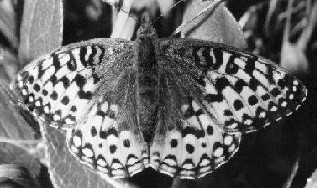
Photo Credit: US Fish & Wildlife Service
Permaculture is . . .
January 27, 2012 § Leave a comment
Because yesterday’s film made me curious, I snooped around. Here’s what I found:
Permaculture is the conscious design and maintenance of agriculturally productive systems which have the diversity, stability, and resilience of natural ecosystems. It is the harmonious integration of the landscape with people providing their food, energy, shelter and other material and non-material needs in a sustainable way. -Graham Bell, The Permaculture Way
A few resources:
Gaia’s Garden: A Guide to Home-Scale Permaculture
Permaculture & Ecological Design Program (video below)
If you do a quick google search you’ll find many permaculture design courses and certificate programs out there. Ooh, I’m having that hungry-for-knowledge feeling, aren’t you?
Have any of you had experience with permaculture? Has anyone taken a course, gotten a certificate, or researched this approach to agriculture and living? I’d be eager to hear from you!
BBC’s A Farm for the Future
January 26, 2012 § 3 Comments
I’ve found something just right to watch while knitting! This documentary follows a woman’s return to her family farm, and her assessment of how the farm might belong, change, and contribute to the modern world and its complicated food system. It might be a bit dated, as it was produced in 2009, but I’m interested to see where it goes, nevertheless.
And I just want to stare at all the scenes of the British countryside.
I confess that I often wax pastoral. I can’t help it, even though I’m familiar with the sore muscles and sunburns and sweat that come with farming. But pastoralism can be dangerous if too rose-tinged. Rebecca Hosking, narrator/filmmaker/farmer prepares viewers early on for the reality that this farm business involves hard work, even “drudgery” – without a very big paycheck.
She says, “Dad often describes farmers as glorified lavatory attendents.” Smile. Sigh. This seems extreme. But I suppose I did muck a wheelbarrow’s worth of manure today.
Still. Something made her come back.
Here is Segment 1, thanks to YouTube:
You can watch the full documentary for free, here.
And this, our life
January 25, 2012 § 2 Comments

And this, our life, exempt from public haunt, finds tongues in trees, books in the running brooks, sermons in stones, and good in everything.
-William Shakespeare, As You Like It
Hike the river
January 23, 2012 § Leave a comment
So we used to do. These walks became welcome breaks from studying and working, in those graduate-school Iowa winters. Miss T and my sister and brother-in-law and I went out where the high banks and the thick ice would invite us in, and on.

We followed the tracks of cross-country skiers. The paw prints of other dogs, the boot prints of other hikers. We put our own prints in new snows.

Climbed fallen trees and ducked beneath their branches. Saw our breath turn to fog.
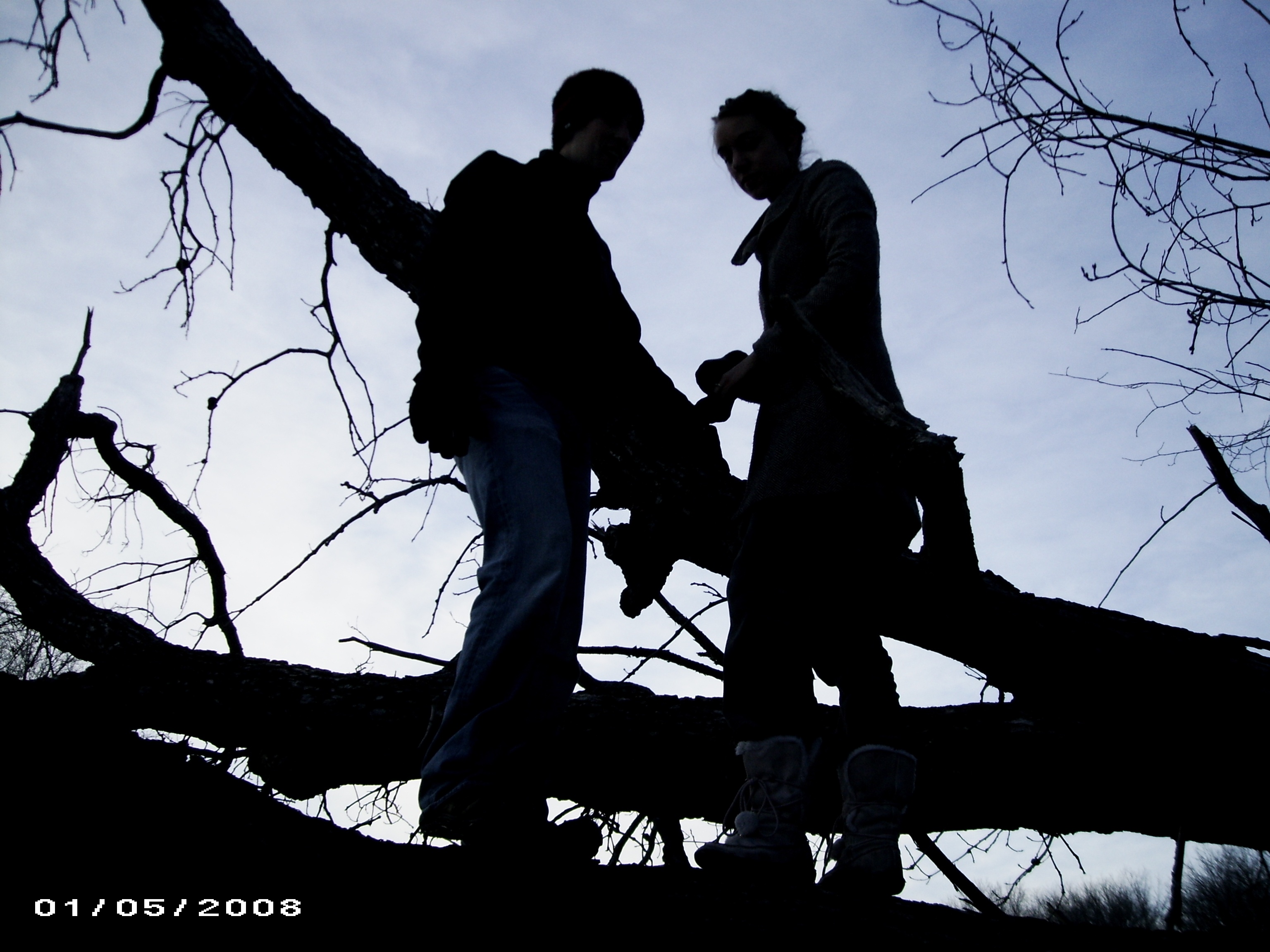
We loved winter. How it opened new terrain. How it made the river a favorite hiking trail.
A cup of coffee and a flake of hay
January 23, 2012 § 2 Comments

Photo Credit: US National Oceanic and Atmospheric Administration
(… would, I think, be appreciated.)
Human impact
January 23, 2012 § Leave a comment

Across the street they have been pushing the ground around into all sorts of piles and slopes for the past month or so. Big machines with their big noises. Now a crane stands tall against Colorado’s almost-always-blue sky. Apparently a church is going to be built there, though I won’t live here by the time it sees completion.
There is something in me that rebels against seeing landscapes so restructured. It feels innately wrong to push dirt around to make the land roll, or level, where it hadn’t been previously. Human impact. That’s what they call it, and though I know over the stretch of years nature has seen her share of change – I grew up where the Wisconsin Glacier moved, after all – still I am hesitant about the changes humankind likes to make.
And yet, I want to be a farmer. Farming, which is one of our most fundamental ways of disrupting nature, of putting our human desires and motives and needs into a landscape.
Am I a walking contradiction?
The answer, actually, is yes – sometimes – but perhaps not as much, on this issue, as I might first seem.
Here is the thing. There is farming with human profit (almost? always?) solely in mind. And then there is farming with ecology (and, particularly, soil health) in mind. While profit should remain important, in the kind of farming I want to do, it won’t be so important as to allow for ecological compromise. Profit must come within practices that respect and are guided by nature.

There is a nonprofit in California, just south of Santa Cruz, that I discovered in my early learning-about-sustainable-agriculture years. Wild Farm Alliance is dedicated to promoting farming that embraces the wild, or what is called “wild farming.” The organization operates on the idea that farming and wilderness need not be mutually exclusive – though it seems, at first glance, that they can’t help but be, and the recurring conflicts between farmers/ranchers and environmentalists only further such a conclusion.
But why shouldn’t they come alongside each other? Certainly a farm isn’t going to be an untouched wilderness, but neither need a farm be devoid of everything other than fencerow-to-fencerow crops and directly profitable commodities. I find it a beautiful challenge to consider how to integrate what nature wants to do within my plot of land and my region’s watershed, and my goals as a farmer.
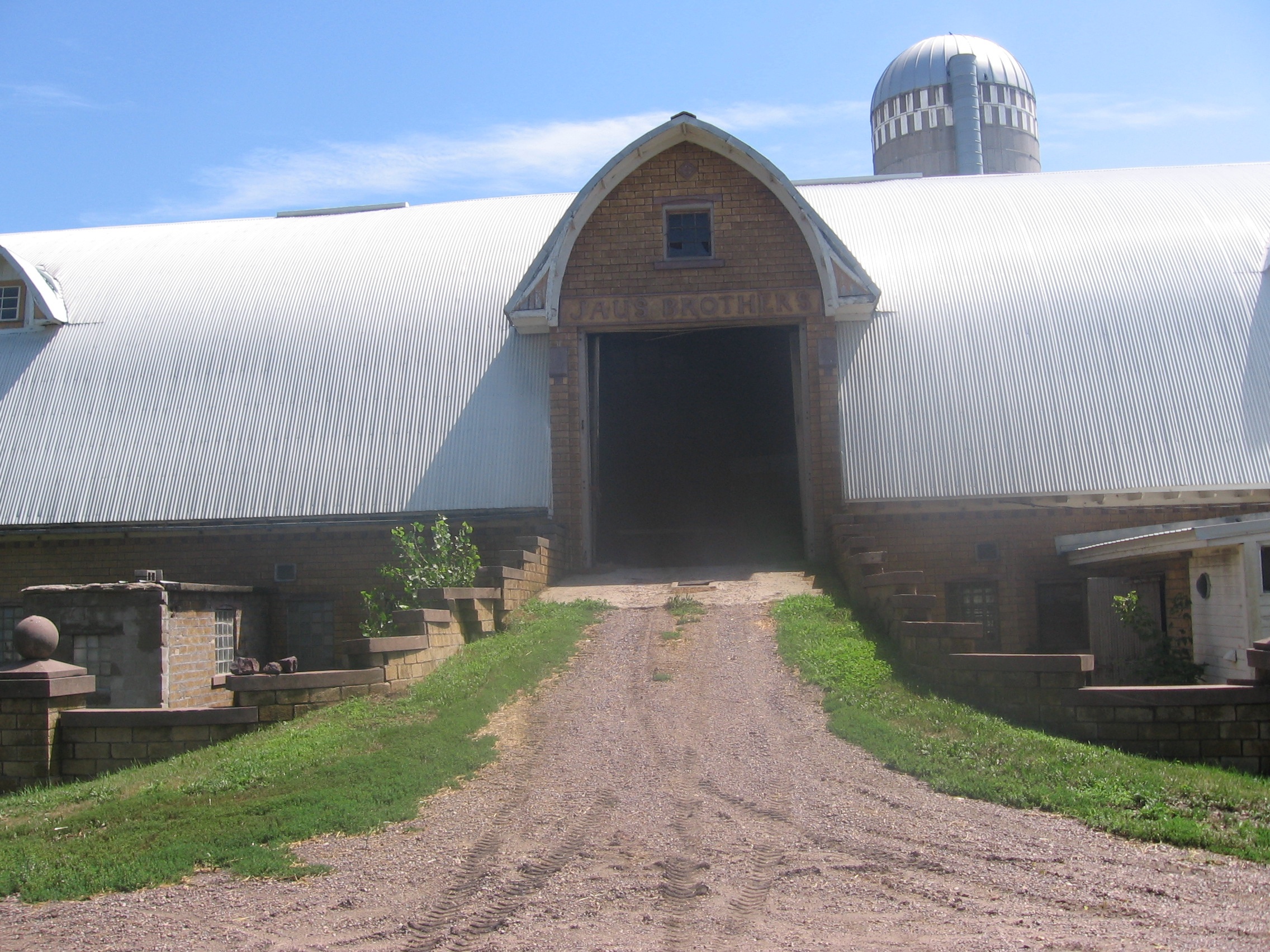
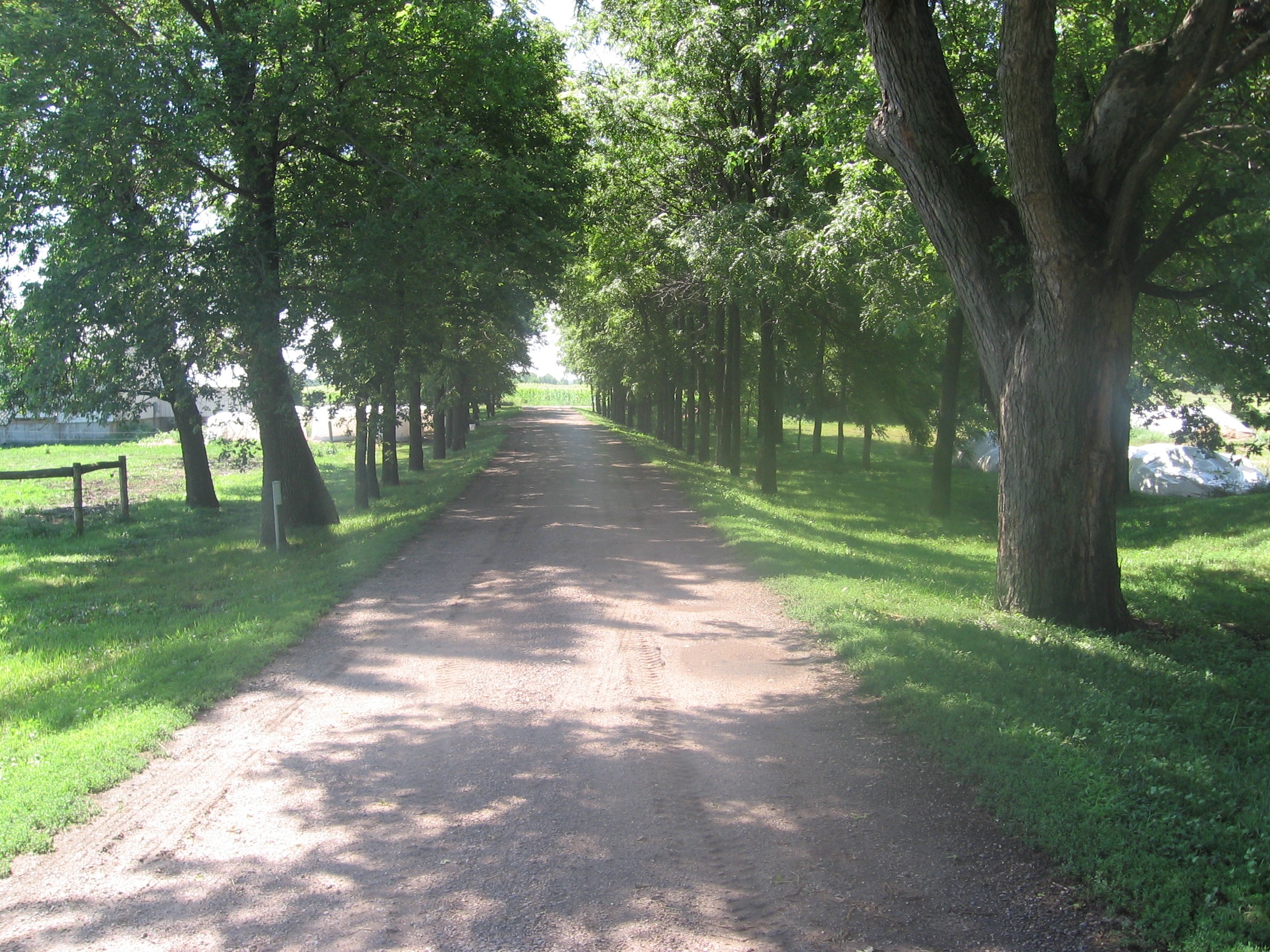
Several years ago I had the fun of spending a week on Martin and Loretta Jaus’ Holstein dairy farm in Gibbon, MN. Martin and Loretta are former wildlife biologists who’ve got a good grasp this wild farming concept. They have bluebird boxes on fence posts across their property. They have a an area set aside for a pond and wetlands. They have wild and native grasses in their pastures and ditches. Wildflowers turn up their faces and trees line the long lane. This farm is not only profitable, but diverse and alive. A pleasure to see, and wander through. It is not wilderness, but it most definitely has elements of the wild.

And do you know? Some of these things that seem as though they detract from profit – such as land set aside as opposed to being planted with corn and soybeans, thus reducing bushels harvested – actually benefit the farm. By providing natural habitat for beneficial insects, farmers can better keep pests under control without the use of strong pesticides. When a field contains a healthy mix of grasses and forbs, most ideally native varieties, the soil becomes healthier – better able to hold water and nutrients and maintain aggregate structure, thus avoiding erosion issues. By rotating areas that will be allowed to run “wild” for a few years, the farmer grants that land rest and time to revive itself. Topsoil is rebuilt rather than lost. These are not always immediate, $$$-in-the-bank profits, but they offer long-term benefits that contribute to a more sustainable farm and a more sustainable world.
And I must add – with my own personal penchant for beauty – that farms incorporating wild nature make for scenic countrysides. This is a great happiness on its own, but if we want to get into monetary matters, an aesthetically pleasing stretch of land has the potential to increase property values and/or tourism in the area. Which makes for a better economy. Right?
So. I suppose there will be, still, some land getting pushed around on my farm. But I hope it is done with a great respect for what nature has already made happen, an awareness of my own small importance, and an openness to look around at what I might see, and learn – and how I might adjust my actions accordingly.
This isn’t a post meant to judge. We all do what we have to do in certain situations, for a job or a family or some other reason. We operate on what we know, have been taught, and believe. And I admit I haven’t a clue what it means to be in landscaping or construction, or to have to actually support my family based on the way I run my farm (yet). I only know how I react to certain things, and I want to know why, and I want to see what I might do instead of, or in response to, these things – and how it all turns out.
Thoughts on dirt
January 22, 2012 § Leave a comment
I have just started William Bryant Logan’s book Dirt: The Ecstatic Skin of the Earth and am already getting caught up in a sense of wonder and gratitude. This bodes well! This is the sort of thing we reader-types live for. Here’s an excerpt from the prologue:
How can I stand on the ground every day and not feel its power? How can I live my life stepping on this stuff and not wonder at it? […]
Recently, I have been reading Exodus, wondering about Moses and the burning bush. Moses, it is written, “turns aside to see a wonder,” a bush that burns but is not consumed. Throughout my life, I had thought this a ridiculous passage. Why should God get Moses’ attention by such outlandish means? I mean, why couldn’t He just have boomed, “Hey, Moses!” the way He would later call to the great king, “Hey, Samuel!”
Now I know why. The truth, when really perceived and not simply described, is always a wonder. Moses does not see a technicolor fantasy. He sees the bush as it really is. He sees the bush as all bushes actually are.
There is in biology a formula called, “the equation of burning.” It is one of the fundamental pair of equations by which all organic life subsists. The other one, “the equation of photosynthesis,” describes the way the plants make foods out of sunlight, carbon dioxide, and water. The equation of burning describes how plants (and animals) unlock the stored sunlight and turn it into the heat energy that fuels their motion, their feeling, their thought, or whatever their living consists of.
All that is living burns. This is the fundamental fact of nature. And Moses saw it with his two eyes, directly. That glimpse of the real world–of the world as it is known to God–is not a world of isolate things, but of processes in concert.
God tells Moses, “Take off your shoes, because the ground where you are standing is holy ground.” He is asking Moses to experience in his own body what the burning bush experiences: a living connection between heaven and earth, the life that stretches out like taffy between our father the sun and our mother the earth. If you do not believe this, take off your shoes and stand in the grass or in the sand or in the dirt.
A January poem
January 22, 2012 § Leave a comment
twinkling
snow: still and white.
beyond the roar and slush of the street,
past the fence, a pasture. blanketed.
four chocolate black horses
bend their necks to nuzzle for grass.
the sky grows night blue behind them.
and in a moment I am not in
this car, not post-holiday gray,
but brushing wet velvet noses,
a little girl with periwinkle mittens
who knows, after all, that
something so beautiful
must be fraught with magic.
 Kinds of Honey