Roads ought to wind
February 21, 2012 § 2 Comments
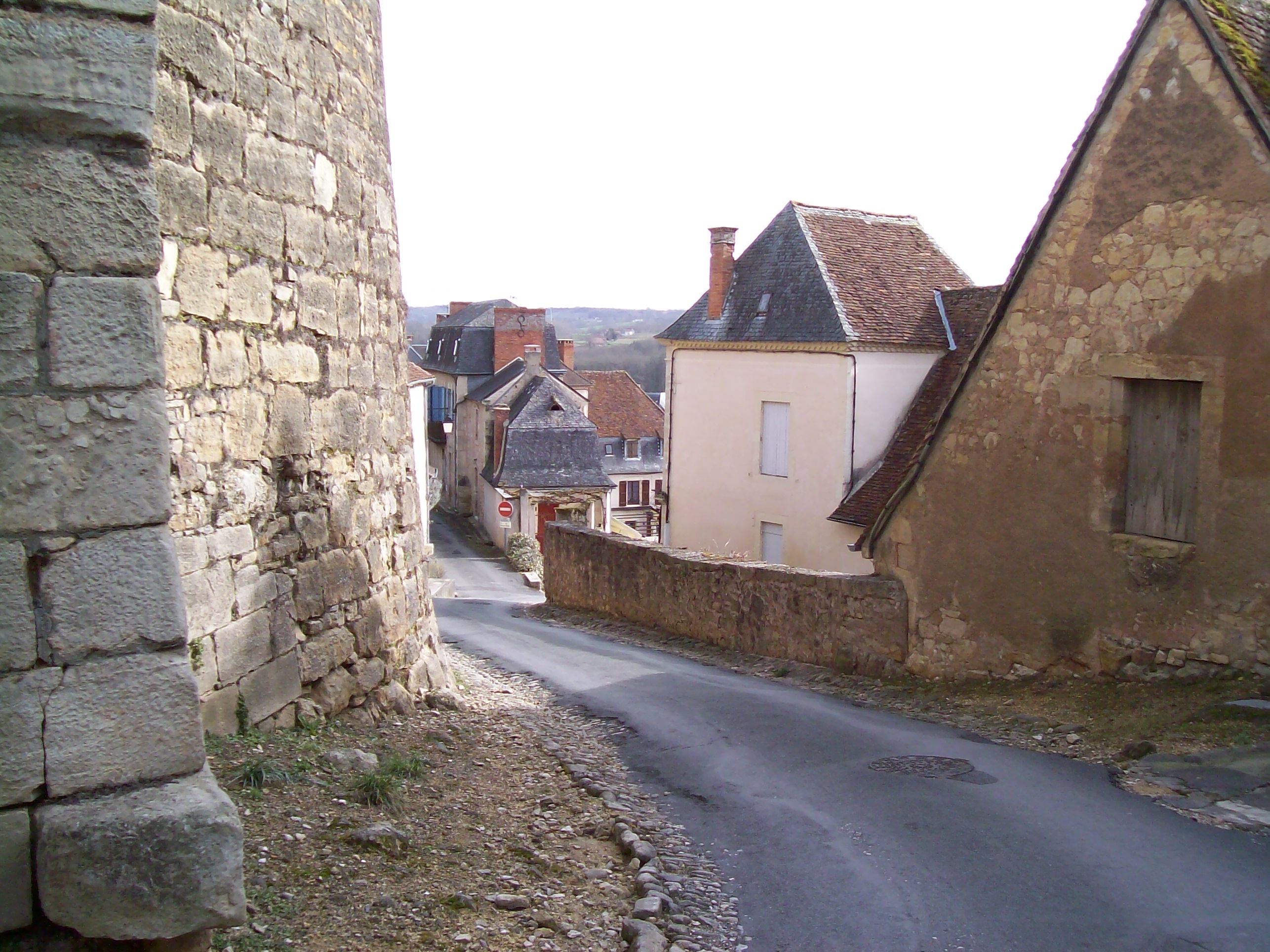
At least a little. It allows us surprises.
Do you know what I found beyond this turn? A view reaching across open green hills. Warm sunshine. A bookstore.
Who’s your favorite president?
February 20, 2012 § Leave a comment

Teddy Roosevelt is mine.
From Roosevelt’s 1912 campaign platform: “To dissolve the unholy alliance between corrupt business and corrupt politics is the first task of the statesmanship of the day.”
This guy was an active conservationist, spent tons of time discovering America on horseback, explored the world, and believed that the role of the president was to be “a steward of the people.”
As president, Roosevelt created five national parks (doubling the previously existing number); signed the landmark Antiquities Act and used its special provisions to unilaterally create 18 national monuments, including the Grand Canyon; set aside 51 federal bird sanctuaries, four national game refuges, and more than 100 million acres’ worth of national forests. (www.pbs.org)
No president is perfect, but this one ranks pretty high in my books! Read more about him here.
Poem for a Monday of wind and sleet
February 20, 2012 § 1 Comment
Blow, blow, thou winter wind
Blow, blow, thou winter wind
Thou art not so unkind
As man’s ingratitude;
Thy tooth is not so keen,
Because thou art not seen,
Although thy breath be rude.
Heigh-ho! sing, heigh-ho! unto the green holly:
Most friendship is feigning, most loving mere folly:
Then heigh-ho, the holly!
This life is most jolly.
Freeze, freeze thou bitter sky,
That does not bite so nigh
As benefits forgot:
Though thou the waters warp,
Thy sting is not so sharp
As a friend remembered not.
Heigh-ho! sing, heigh-ho! unto the green holly:
Most friendship is feigning, most loving mere folly:
Then heigh-ho, the holly!
This life is most jolly.
-William Shakespeare, As You Like It
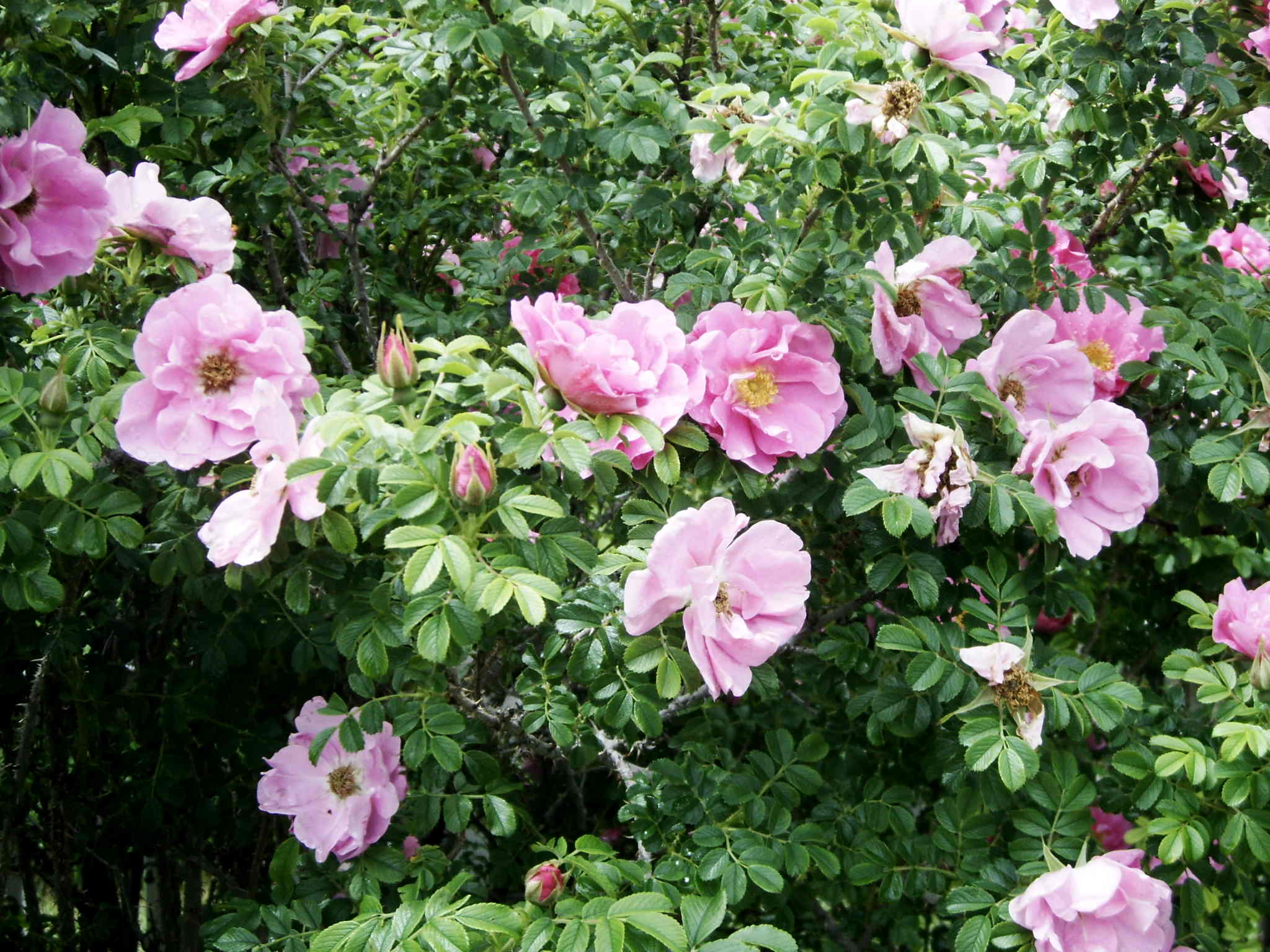
So love the world
February 14, 2012 § 1 Comment

Thanks to Darling Magazine for bringing a handful of world-reaching nonprofits, and the business No One Without, to my attention. And another way to think about what this day can mean.
In all things
February 13, 2012 § Leave a comment

Photo Credit:US National Oceanic and Atmospheric Administration
In all things of nature there is something of the marvelous. – Aristotle, Parts of Animals
Robert Frost’s great-grandson’s cattle
February 13, 2012 § Leave a comment
Two roads diverge in the U.S. beef industry. Americans are buying more alternatively raised meat — organic, natural, grass-fed and the like – but most large-scale cattle producers in the Midwest are not cashing in on the trend.
Prescott Frost, however, owns a 6,000-acre operation in the sand hills of northern Nebraska, and he’s betting on alternatively raised beef. Frost is a former stock broker from Connecticut who sold his family’s farmland in Illinois two years ago to come to Nebraska and raise certified organic grass-fed beef. He has about 600 cattle.
The link for the rest of the article is below. I caution you to ignore the comment about change needing to come from “educated people from the city.” I disagree. While I understand what he’s getting at, this is the kind of overgeneralization that smacks of inaccuracy and quite honestly, offends. Still, the rest of the piece is worth a read. Robert Frost wasn’t all that joyful a farmer, but farming appears to have stayed in the genes.
Taking the grass-fed road less traveled | Harvest Public Media.
Herding dog
February 13, 2012 § Leave a comment
Meet Muñeca.
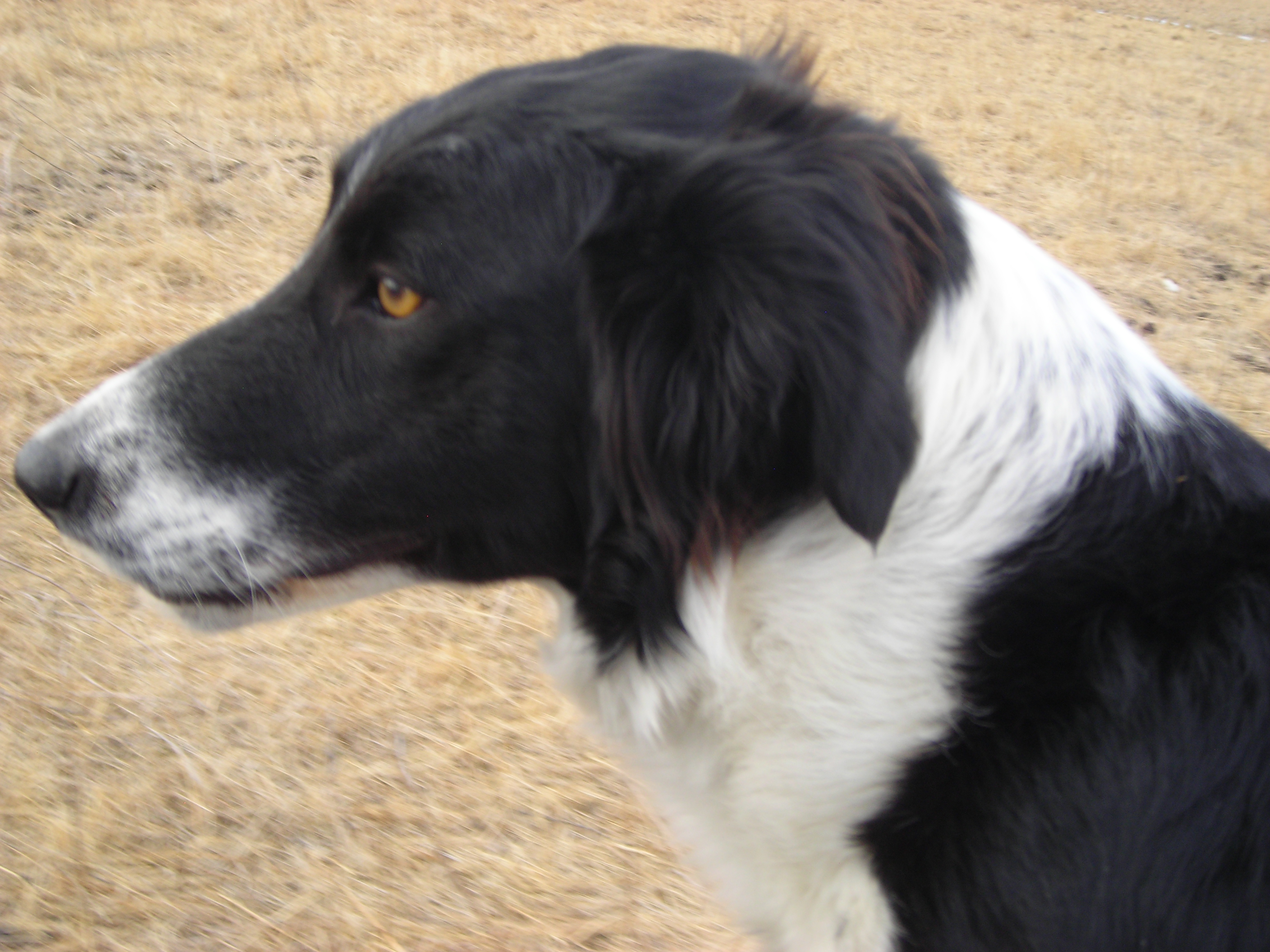
Muñeca is my friend Mae Rose’s canine companion at the ranch when she goes out to see to the sheep. The 8-month-old border collie could scarcely hold herself back as we approached the herd – though, good girl, she stayed with us on the four-wheeler until bid otherwise. This is the look she gets on her face: sheer determination. To her, sheep must be herded, and by golly, she is the one who should do it.
Want to see her at work?
Personal Traits of the Farmer
February 10, 2012 § Leave a comment
Success is most easily acquired in the line of work one loves best; and the first problem is to get into that character of work as soon as possible. Men cannot always advantageously estimate their own abilities, but so far as possible, one should engage in the occupation which he likes and for which he is best fitted by nature, experience and training. It is important for the young man to reach his decision as early as possible. While men are sometimes quite successful with no particular qualifications except strength and industry, this is no argument that they would not have succeeded even better with knowledge and the application of science in their occupation. A good executive may have fair success without doing manual work, but in farming the highest success is usually attained by those who combine executive ability with labor. Scientific knowledge, experience, business ability, manual and mechanical skill, and hard work make a combination that is successful.
-Frank D. Gardner, Traditional American Farming Techniques (originally published in 1916 as Successful Farming)
 Kinds of Honey