
Pella Crossing
January 17, 2012 § 2 Comments
Here is a collection of ponds.
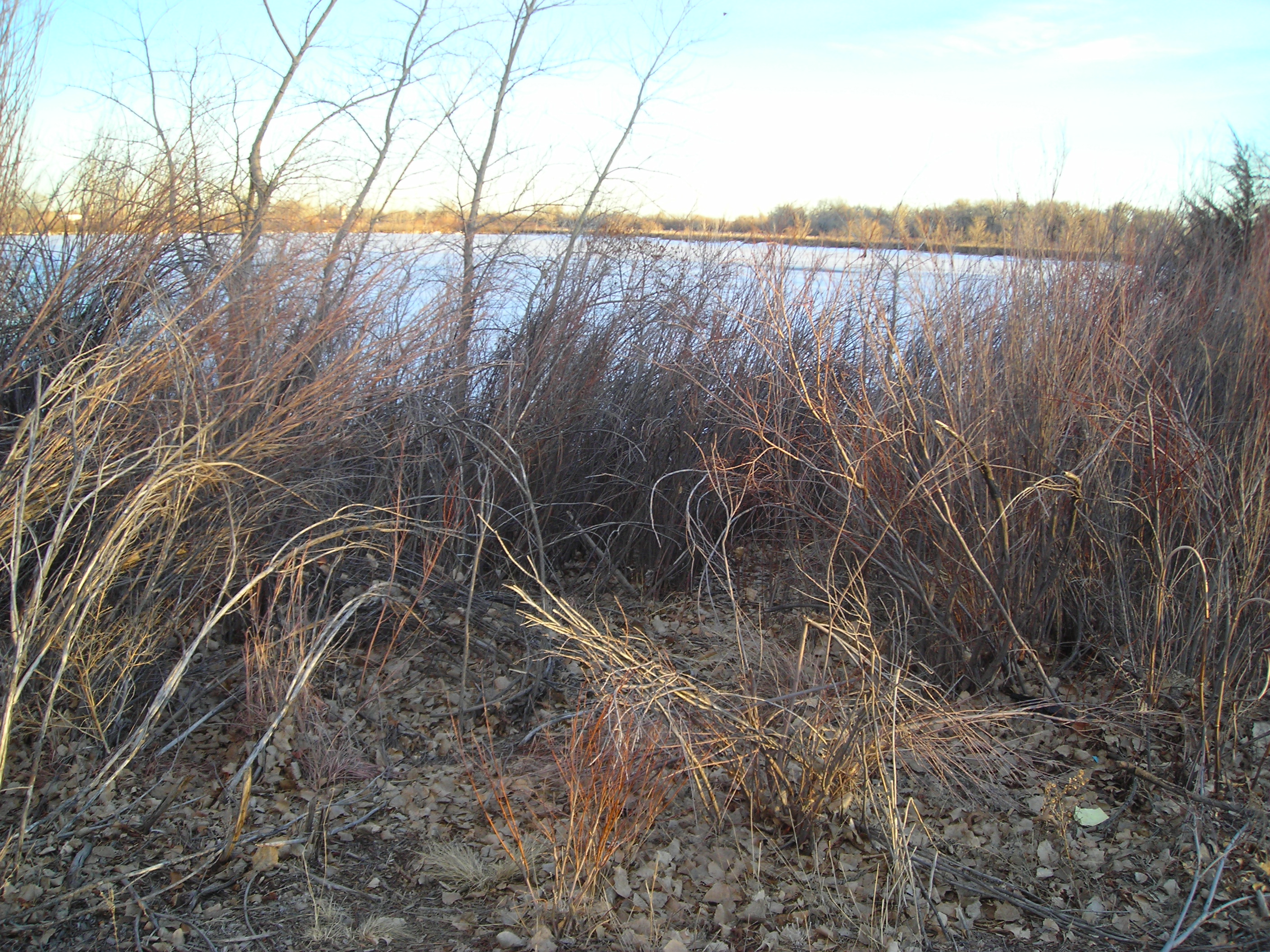
Another place to walk. New shores with new outlines to follow. New patterns and textures to look over and feel.
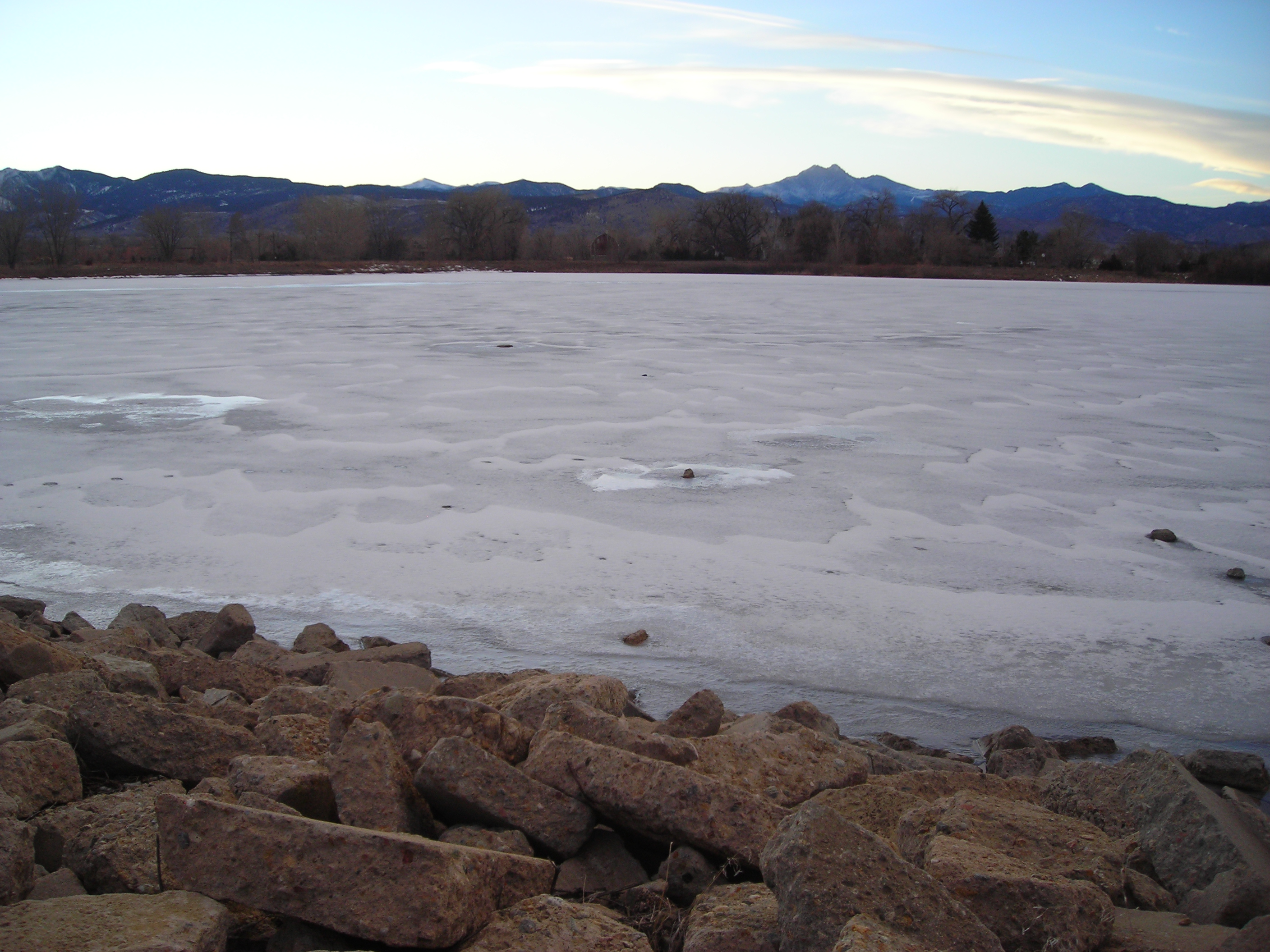
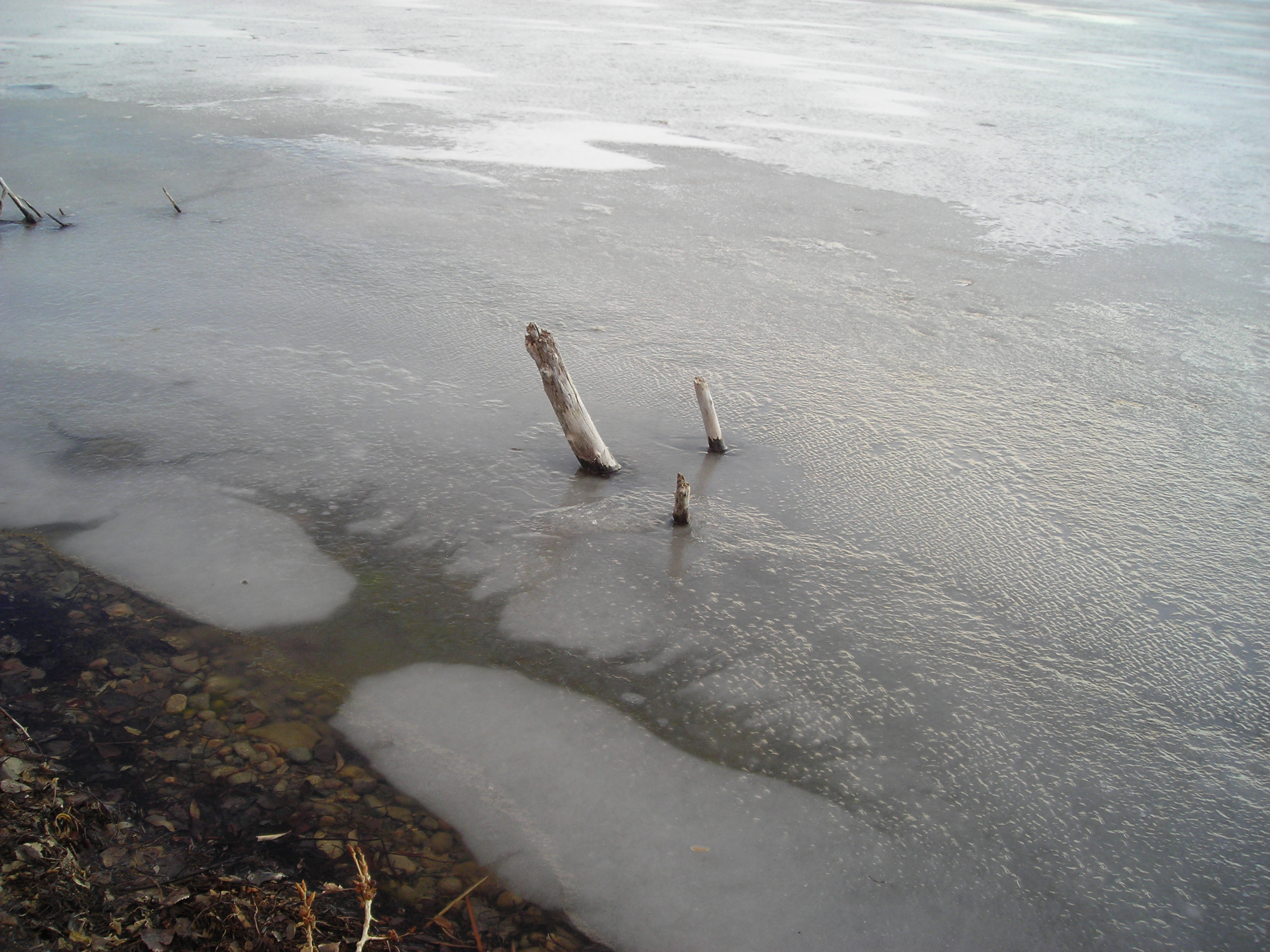

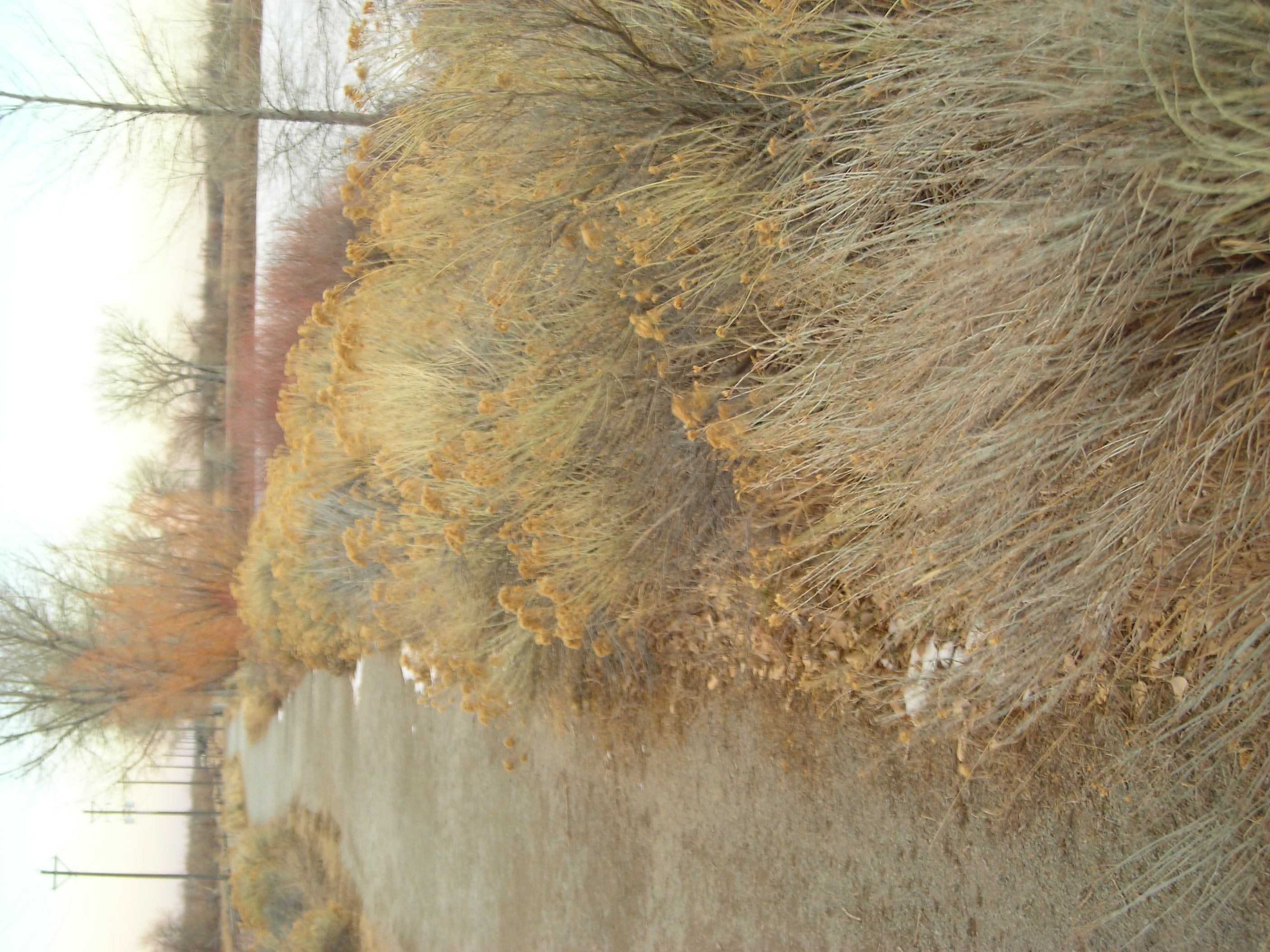

Out there, just before sunset, watching the afternoon wind itself down, I might get all caught in nature.
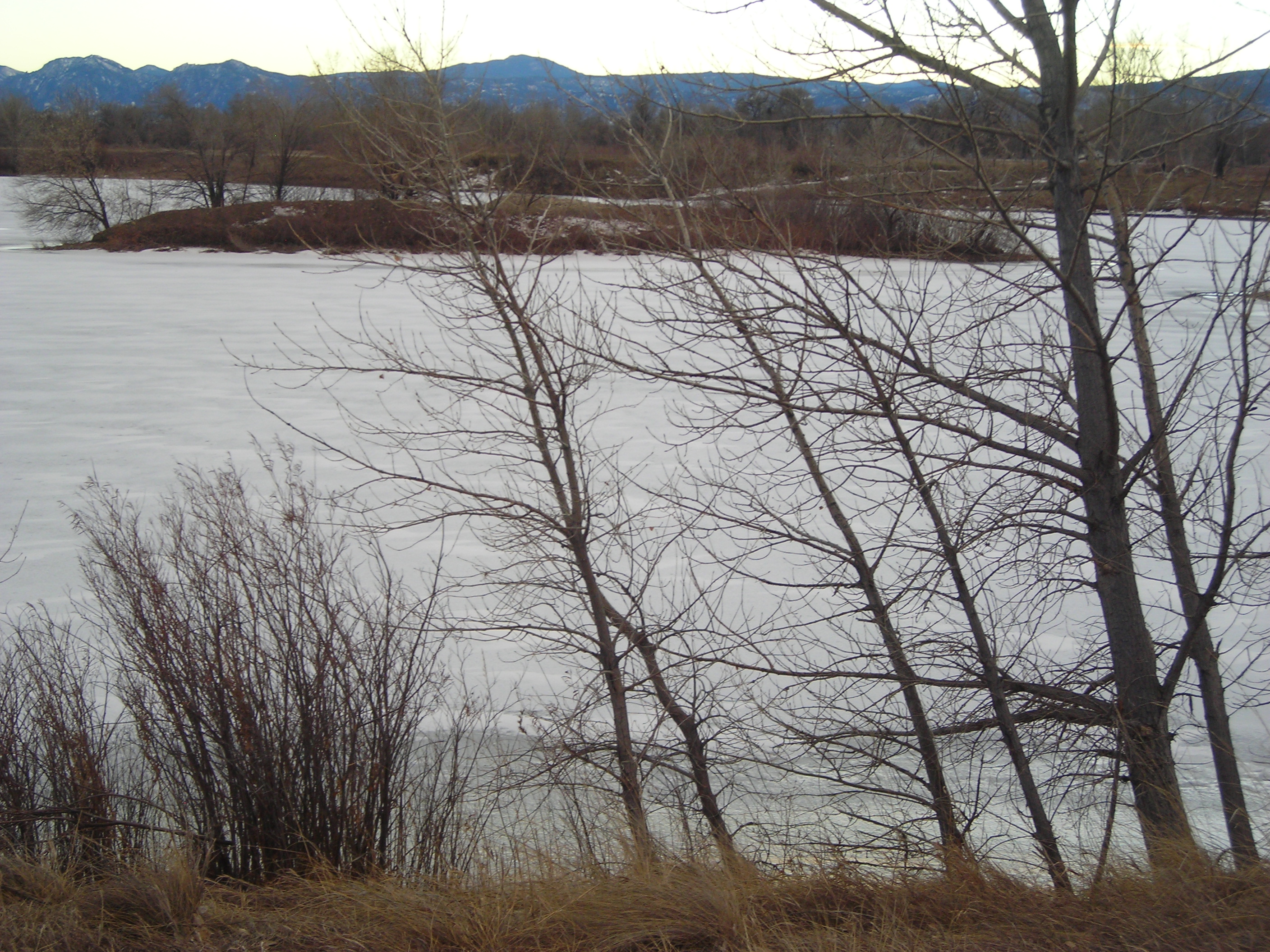
I closed my cell phone. My mother and I had been talking over jobs, my future, the usual. But now, enough. I focused instead on the rustic perfection of fence lines.
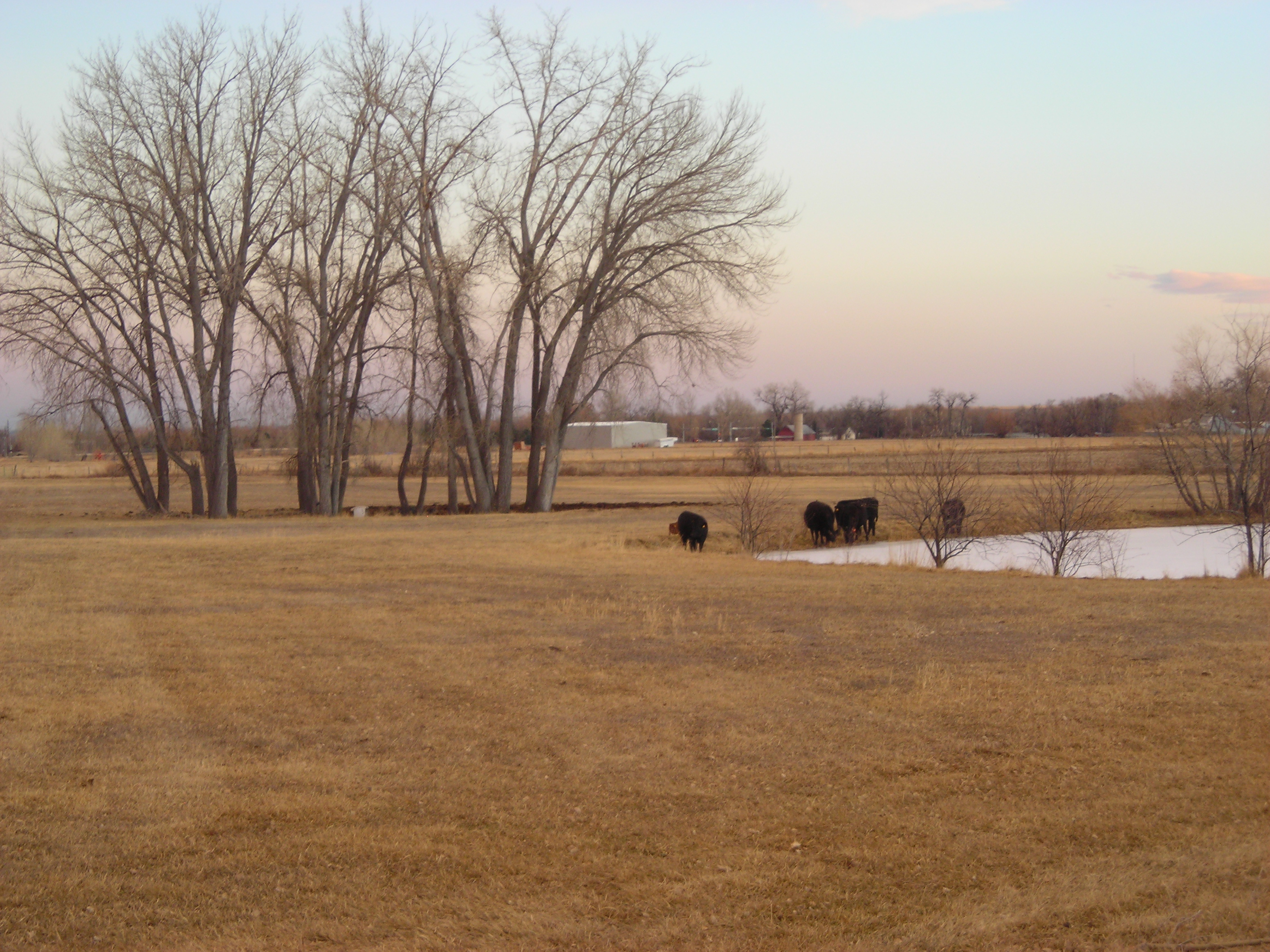
The cattle, standing quietly near their watering hole.
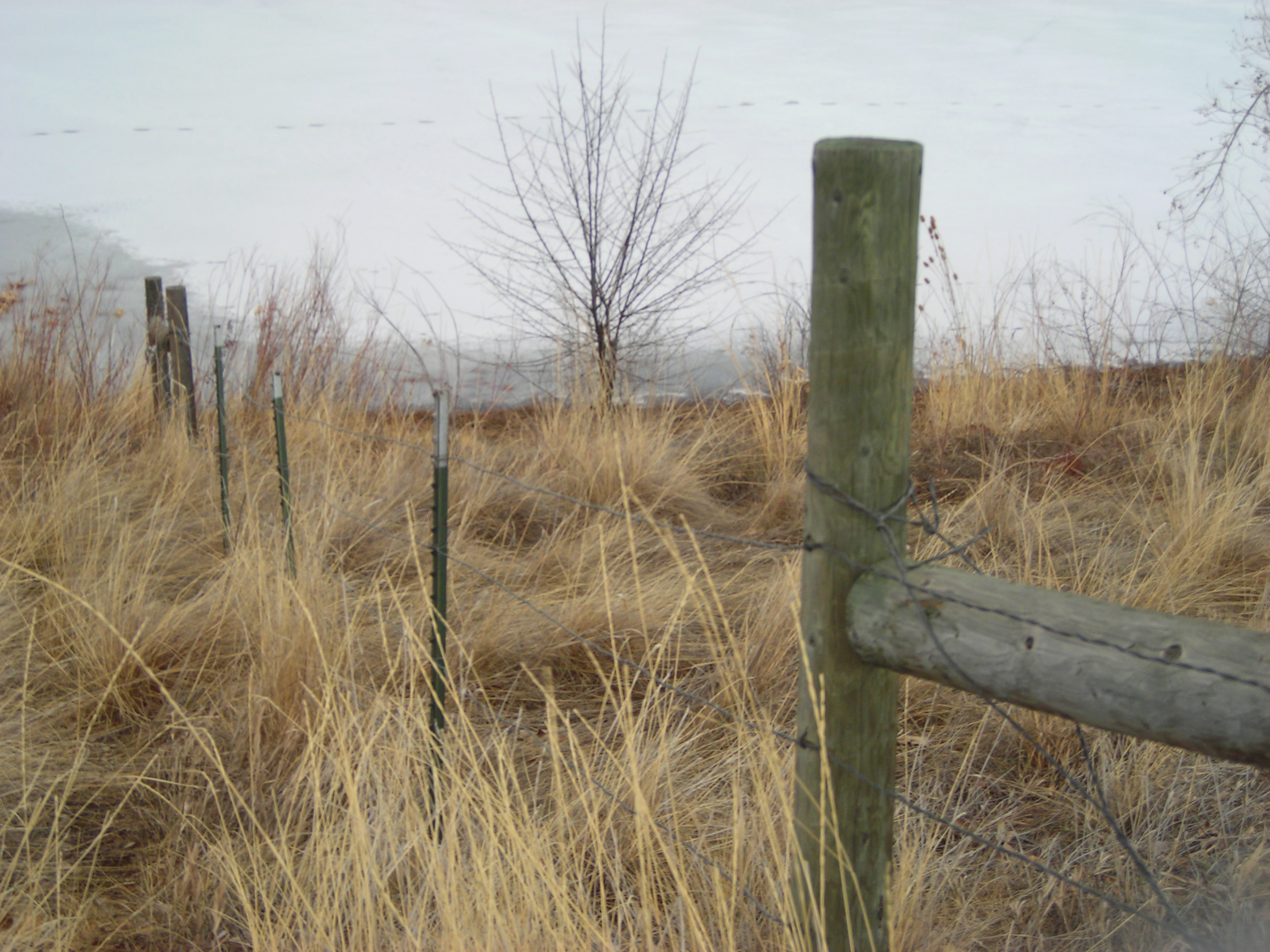
The white scales on the ice’s surface.

And the always-loveliness of how water meets earth.
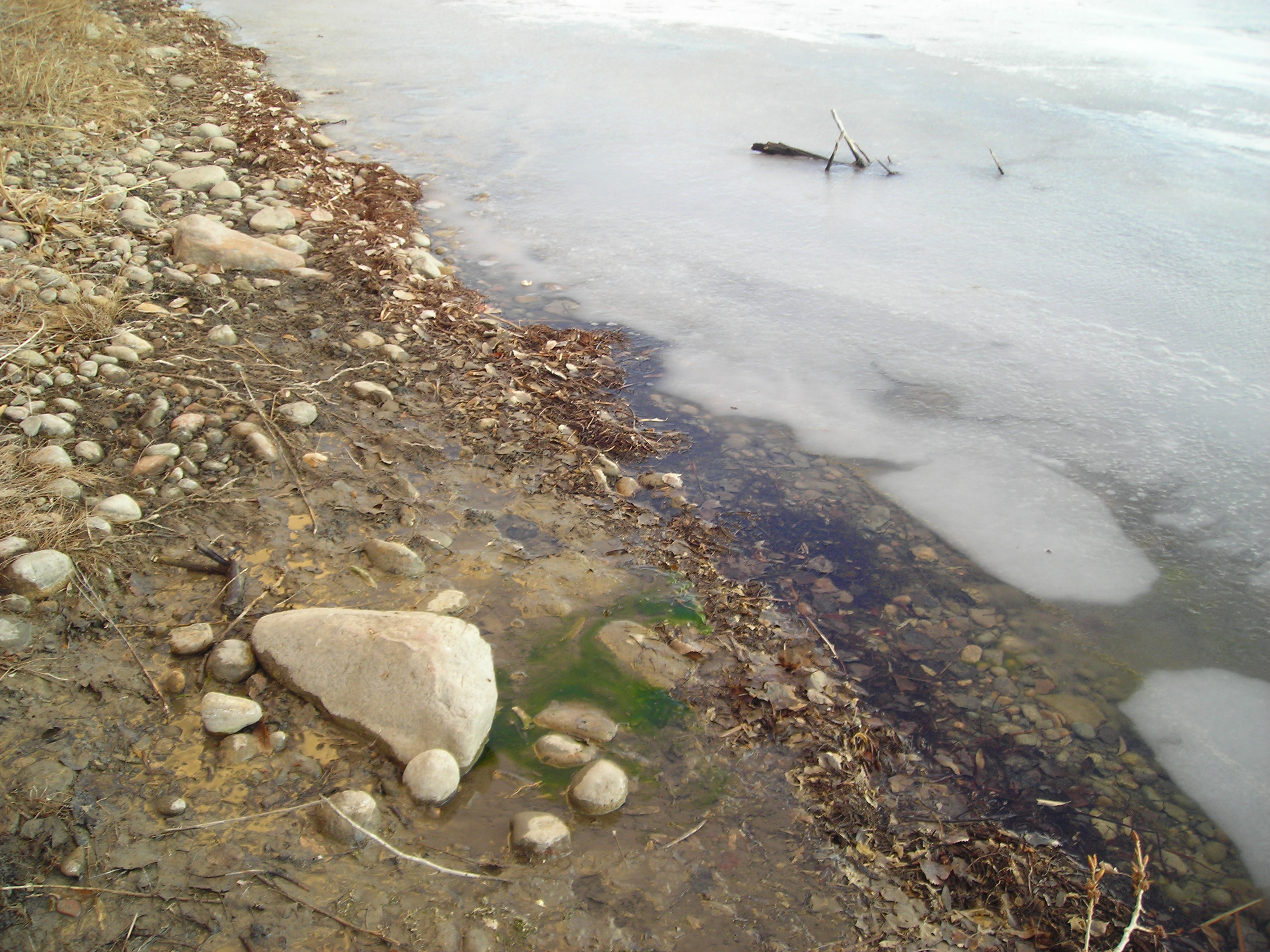
Reminding myself: Another day has gone along, and you, my dear, are alive and well. And so is your best friend.
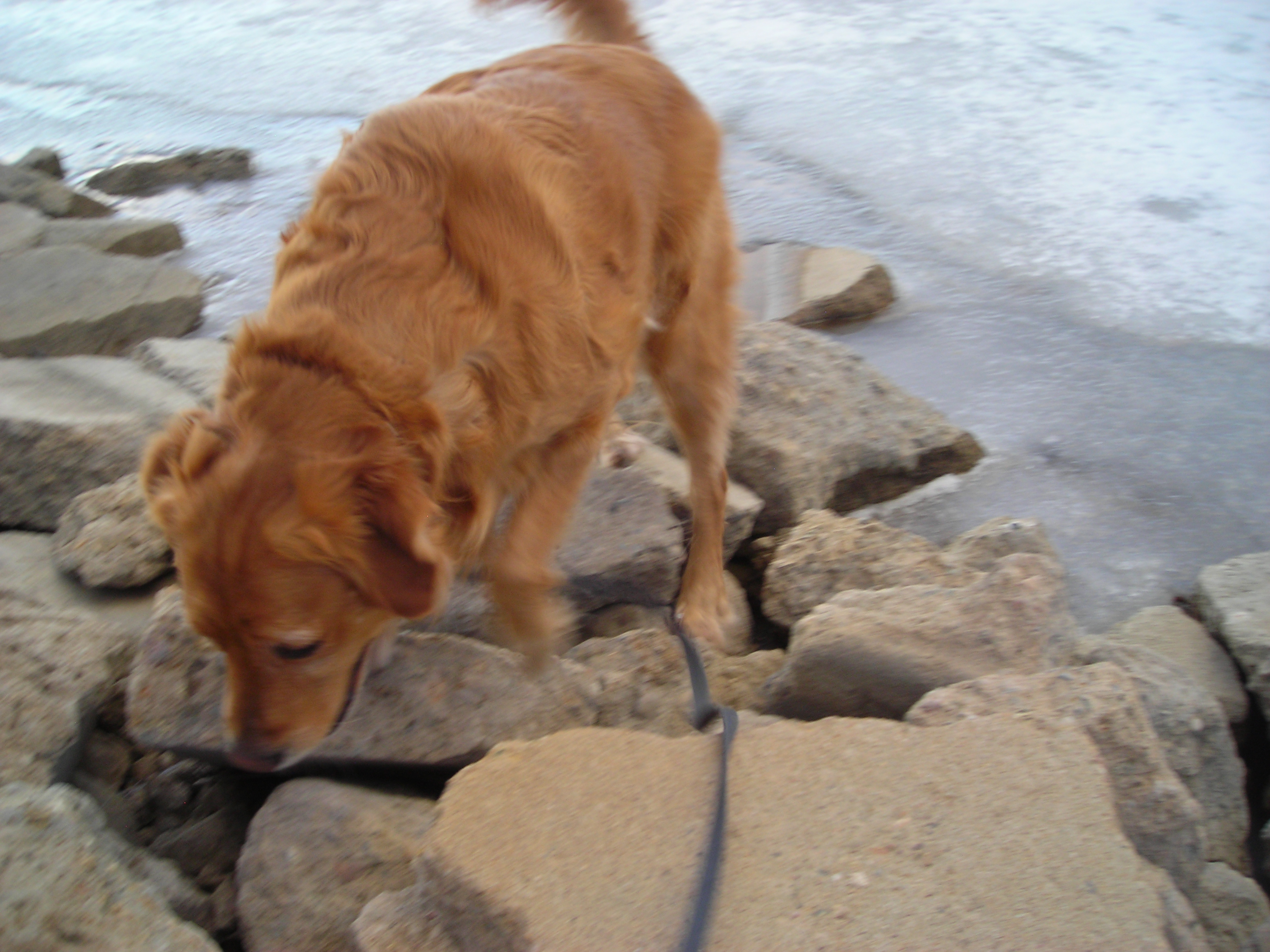
And here, at the end of your walk, is one glorious tree.

Pointing you home.

The Wolf Moon
January 8, 2012 § 2 Comments
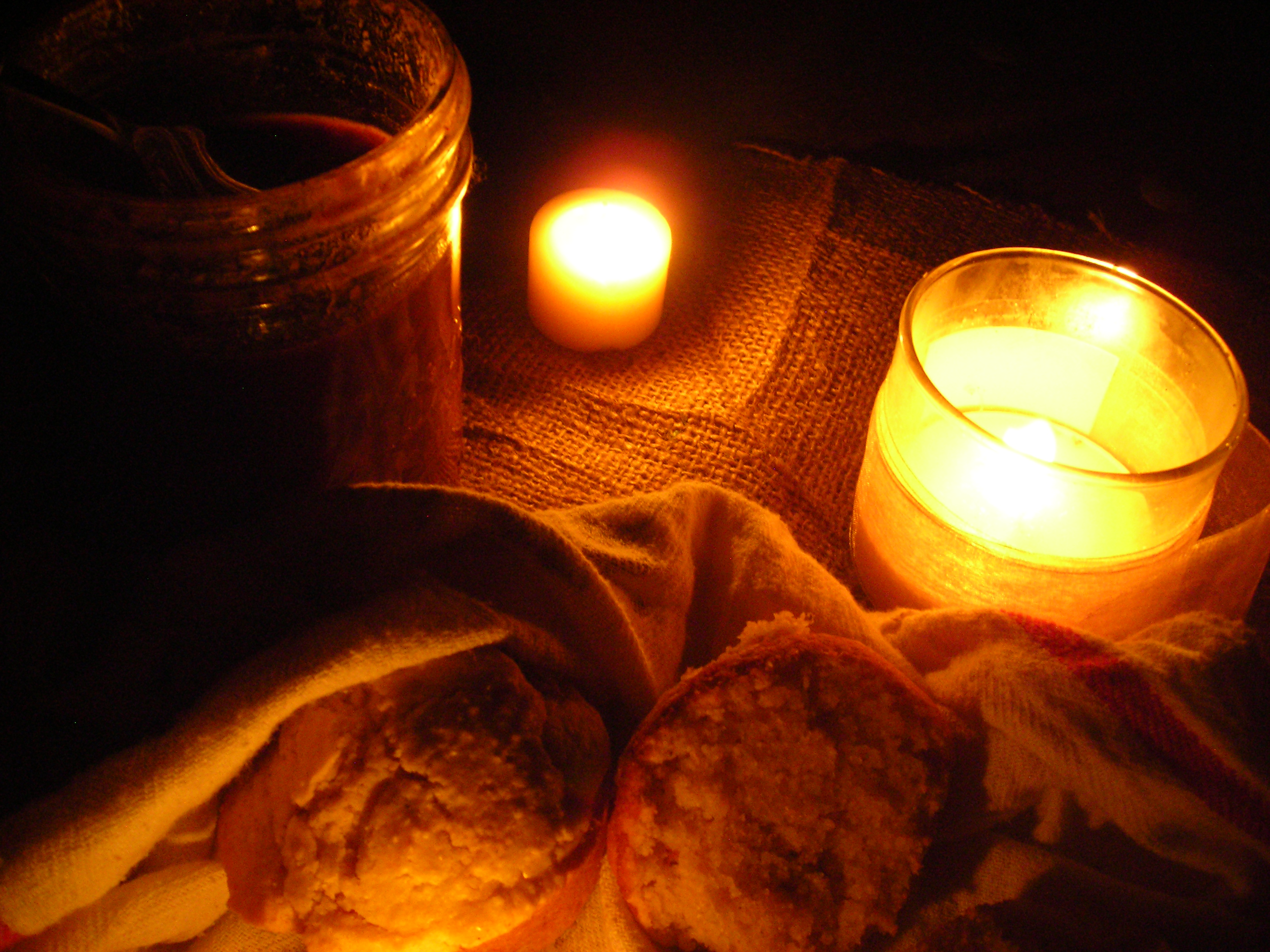
January’s full moon is tomorrow, the 9th – the Wolf Moon – though this night it was as near full as can be. It beckoned, as full moons can do. I listened, as I so often don’t.
I heated chili and poured it into a wide-mouth jar, then wrapped the jar in a tea towel. Took the cornbread muffins out of the oven and let them cool while stuffing books, yarn, and a spoon into my backpack. Found a scarf. Pulled on the wristwarmers my best friend gave me, slipped my feet into boots.
We went out, this white-blue night. Out to dinner meaning out to dinner. No cars in the parking lot. T bounded from the car. I walked slowly after.
It would have been best to get away from the sound of cars, the lights of houses, but that means going into the mountains and too far. So we take what we can have.
The first sound, over and beyond the cars, was that of the geese. The chorus of them raised their voices in a moonlit evensong, over the rise before the land slides down to the reservoir. We did not go to see them – we stayed on the trail – but they sang to us all night. I liked knowing they were there. I imagined the village of them, the gray and black gone silver, their wings tossing light as they moved.
Then came the sound of feet, T’s quick steps, my longer strides scuffing over gravel. Only patches of snow and ice to interrupt the rhythm. A few minutes of walking and I felt hungry. There is a picnic table that sits close to the water, which was white with ice. I spread burlap over the worn wood. The chili steamed into the air when I removed the lid from the can. It smelled so meaty and good that Tassie looked up from where she was nosing around the shoreline, then came over with her ears forward in expectation.
We had our dinner with lit candles, until they seemed too strong when I wanted only the calm of the moonlight. I blew them out, tucked them away. Honey-soaked cornbread. I rubbed my hands together and looked at the black silhouette of the tree against the half-frozen lake. No headlamp – forgotten in the closet at home – meant no reading, no knitting. Never mind; we would walk. It was what would make T the happiest, anyway.
In Colorado predators are always on my mind if I go too far or dark has fallen. Even here in the pinpoints of light from houses across the reservoir and up into the mountains, in the road noises not far away. A couple had walked past us earlier with a black labrador, so I reassured myself: If they thought it was safe, it likely was. Walk on.
T skittered and loped around, sometimes so far I could hardly make out her shape in the evening’s dim, though usually I could hear her well enough. Not stealthy, that one, but affectionate to make up for it. She is a breed meant for companionship, that’s for sure. I have owed her this walk and it was a nice thing to give it, at last.
And I found myself in prayer. I remember, now, how common a thing this used to be in this small life of mine, walking and praying. Often aloud, catching myself if another person happened to pass by. Nature became where I would best find Him. Walking was how I would begin to reach for Him. Clarity came in the space, and quiet, in my voice tumbling forth, and movement.
This has seemed a lost thing. Lost, almost without notice, in the pursuit of work and the appeal of technology’s entertainment.
When did I stop lingering through the woods? When did I stop allowing myself to be drawn into its holiness?
Only an hour or so, we had, this night. A duck rustled the water as we rounded the last bend. Only an hour or so, we had, but home I went with a hunger met, a spirit widened.
An excerpt, to entice you further
January 7, 2012 § Leave a comment
So the spell of the West, cast already by Mr. Grey, settled about Swede like a thrown loop. There’s magic in tack, as anyone knows who has been to horse sales, and a rubbed saddled, unexpected and pulled from nowhere, owns an allure only dolts resist. Swede’s was a double-rigged Texan with mohair cinches, tooled Mexican patterns on fender and skirt, and a hemp-worn pommel. It was well used, which I believe gave all our imaginations a pleasing slap, and it had also arrived quixotically. Davy had bought it off a farmer who’d bought it off a migrant laborer who’d traded his horse for a windbroke Dodge truck on a dirt road north of Austin; the migrant had said good-bye to his loyal beast but kept the saddle out of sentiment. Days later under northern skies he understood that its presence in the pickup only made him heartsick and he unloaded it cheap to the farmer, who, though confused by Spanish, understood burdens and the need to escape them.
All this Davy told us with Swede astride the saddle in her bedroom floor. Davy’s work had brought the thing back to near perfection; the smell of soaped leather, which is like that of good health, rose around us. It was flawed only in the cantle, where the leather had split and pulled apart. Davy acknowledged with frustration that this must’ve happened years ago and he was unable to mend it. “But it doesn’t matter for riding,” he said.
“That’s true,” Swede said practically, just as if there were a pony out waiting in the yard.
Well, the day defined extravagance. Though wisdom counsels against yanking out all stops, Swede did seem joyously forgetful of recent evils, and we kept the momentum as long as we could: waffles for breakfast, sugar lumps dipped in saucers of coffee. I remember it as October days are always remembered, cloudless, maple-flavored, the air gold and so clean it quivers.
– Leif Enger, Peace Like a River
Leif Enger and the outlaw journeys
January 7, 2012 § 1 Comment
I must put in a word for Leif Enger. Not as if he needs a word put in for him, by me; his debut novel, Peace Like a River, established itself as a bestseller years ago. I actually am reading this one second – as many times as I stumbled across the book while going to college, working in a bookstore, generally hanging with literary sorts – I didn’t, for some reason, feel the need to dive in with everyone else. (Sometimes I am contrary and refuse to read what is most popular. I did the same with Angela’s Ashes. Years later I picked it up and scarfed it down with the right combination of sorrow and appreciation.)
Enger drew me in, instead, with So Brave, Young, and Handsome, a novel which, you might guess, got me with its title. But it wasn’t about dashing young cowboys as I suspected on first glance. Instead it follows a postman, a family man named Monte Becket who’s had a one-hit wonder of a book and is trying, and failing, to write another. He happens to meet an older, gentle, drifter of a man who turns out to be a former outlaw. And this man has a dream, and it is of the wife of his youth, and he feels that he needs to go and find her and apologize for the past. So our postman-narrator gets invited to accompany him, and what adventures follow!
As much as the plot is rollicking and suspenseful enough that it tugs you along, what I (having spent most of my twenties trying to understand and practice the craft of writing) kept feeling so terribly happy about were two other things: (1) that his characters are colorful, believable, unique, and endearing – you want to spend time with them; and (2) that he uses language with such understated skill as he goes about unfolding his story. Beautiful, as one who has read and listened and practiced and revised extensively can make a story – can structure phrases, sentences, and moments. All throughout I would find myself pausing and even catching my breath, because that is what happens when something goes beyond what you expect, even when you have high expectations, with the deftness and subtlety of the perfect extra detail, the unexpected observation.
So I went to the horse barn raving about So Brave, Young, and Handsome. My boss was about to go off for a trip and needed something to read, and in the airport she found Enger’s other book, Peace Like a River. She sent me a text after skimming the first few pages, telling me how excited she was to read it; when I ran into her next the first thing she said to me was, “Love the book!” And when she finished she lent it to me. And now I am reading with the same kind of reaction I had to the first – hunger for the story, gladness to be reading, thankfulness for the kinds of writers who remain true to their art and yet, somehow, have also managed to make their work accessible to the general public (a feat that seems to be trickier than one would hope, and a source of frustration for many writers, who are torn between writing something with meaning or writing something that will sell). This story follows a boy named Reuben, and his sister and father, as they head West looking for the brother and son who has become a 20th century outlaw. I love this family. I want to know them. I feel as if I do.
Read his books! That’s all I’m saying.
Here are links to where you can find them, or your library likely has them:
P.S. He’s a Minnesota writer. Which is even better.
 Kinds of Honey