Embracing the Sky
March 13, 2012 § Leave a comment
Reader-friends. I’ve been remiss in not telling you about my older brother and his amazing book. So here’s the story.
My brother Craig is a young man, college graduate, and remarkable poet. His body challenges him with the trappings of autism and mild cerebral palsy, but his mind is just as sharp as yours and mine. In 2000, he took a year off between high school and college to write a book of poems. (I get to claim a little credit here since I was the one to suggest he do so!) And not long into the following year – his first year of college – Jessica Kingsley Publishers in London, England, picked it up. I still remember that phone call from my mother: “Someone’s publishing Craig’s book!”
For a guy like Craig, who struggles to communicate with speech but sails forward in writing poems and papers by typing, with support, on a computer keyboard, having a book get published is a major victory – and a chance for the rest of the world to hear him as he really is. These are poems beyond disability because they allow readers to see not the outside guy but the reflective artist inside.
Having completed his degree in English literature, he’s hard at work on a second collection of poems these days. I’ve been spending time with him during these at-home days and listening to the new ones come forth. Remembering that voice. And realizing how some of you have yet to discover it!
So, let me encourage you to have a look. Here’s a link: Embracing the Sky by Craig Romkema.

A little novel excerpt
March 6, 2012 § Leave a comment
My book proof for Riding the Neighbors’ Horses is sitting on a shelf in my (temporary) bedroom. I’m sorry to say that in paging through it I found mistakes noticeable enough that I can’t overlook them, so we’re a few steps back in the editing/reviewing process. I’m hoping the book will be available in the next couple of weeks. Meanwhile, it is the funniest feeling to have a physical copy of this novel in my hands. I finished the first draft almost seven years ago. Followed up with lots of off-and-on revisions. Ignored it completely. Decided to do something about it. The book looks shiny and professional and it has my name on the front. Wheee!
For now, here is a small excerpt. Our narrator and protagonist, Susan Abbot, is about to get her first riding lesson from her neighbor, and new friend, Nan Whiting.
Horse’s hooves clopped against wood as Nan led a tall bay from its stall. “This is Bet,” she said. “The first time I rode her I was two, or probably even younger. Hold this a second.” Nan dropped a line of rope in my hand and darted around the corner before I could protest. I toyed with the end of the rope, following its white weave up to the halter of the horse. Bet stood near enough that I could feel the heat from her body and smell her scent—a blend of hay and wood, earth and sweat. She studied me with eyes so dark I couldn’t tell where the pupil ended and the iris began, and I wondered what I might read in those eyes if only I knew how.
The Meal: an international food-art project
February 24, 2012 § Leave a comment
The project: anyone who wanted to participate took a photo of themselves and what they happened to be eating at 12 p.m. Eastern Standard Time, February 24th, and sent it to the folks at Art House Coop.
I missed being able to participate by 1 hour and 45 minutes!
Apparently my head has been too deep into my own book to catch the food news, but at least I can still engage as an observer and a food-and-art enthusiast! And so can you. Check back to this site to see an exhibition of these meal self-portraits: Art House Coop
What a great way to get a slice of what is happening, of how people are participating in their local, regional, and global food systems, all around the world, in one moment of time.
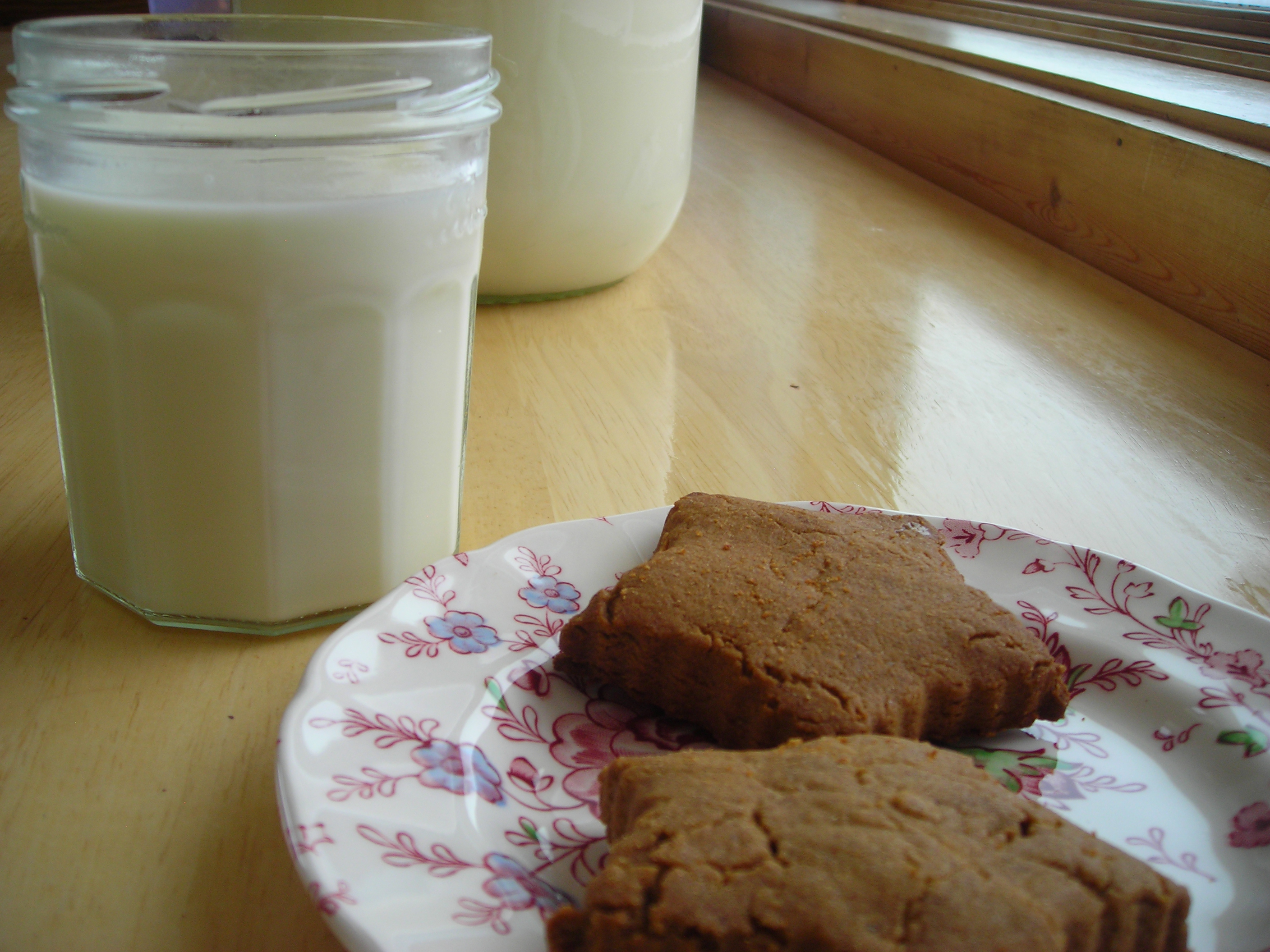
Here is a photo of what I am eating right now, just for you all. And just to make me feel better. (I decided to leave out myself in my lazy Friday sweats.) Gingerbread in February. I see no problem with that!
So love the world
February 14, 2012 § 1 Comment
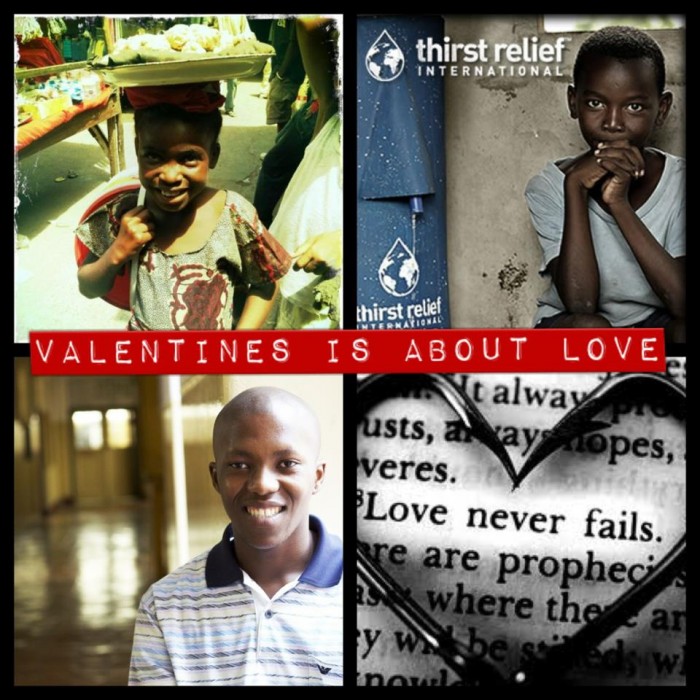
Thanks to Darling Magazine for bringing a handful of world-reaching nonprofits, and the business No One Without, to my attention. And another way to think about what this day can mean.
At the ranch
February 7, 2012 § 3 Comments

Two-thirds of the way through Nebraska I stopped to visit my friend Mae Rose. We know each other because we studied in the same program at Iowa State University. It is so fun to look around and see what all my former classmates are doing these days.
Mae Rose is currently interning as assistant ranch manager at the Peterson Ranch near Newport, NE. This area is part of the unique geographic region known as the Sandhills, where mixed-grass prairie grows on stabilized sand dunes. Nearly all of the plant species here are native, as plants must be well-adapted to survive such a landscape and climate. This is grazing country, and you’ll find Scottish Highland cattle and Dorper sheep on this particular ranch.
My friend let me tag along with her for a few days to see what’s happening on her stretch of the plains.
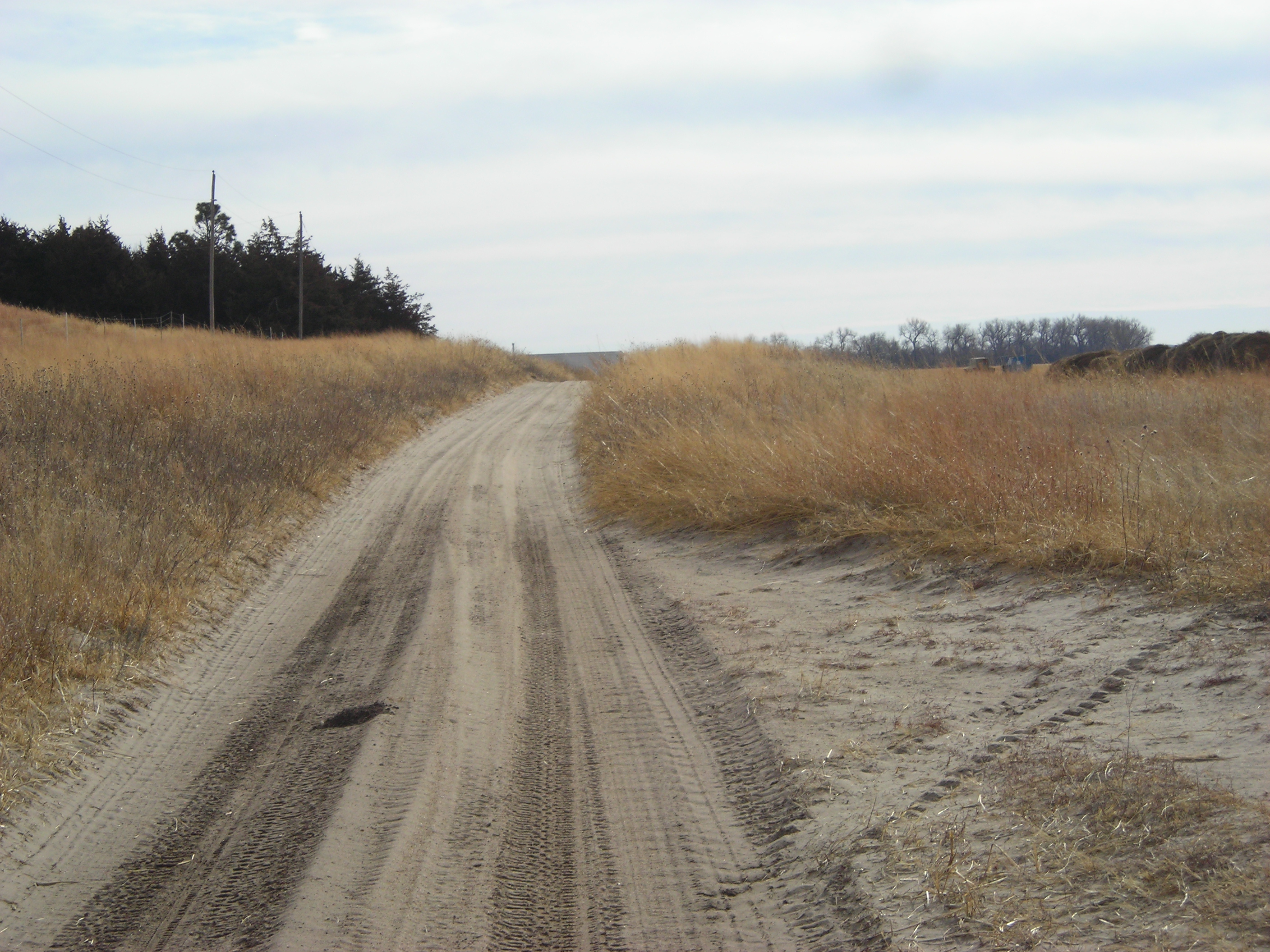


We explored.

She fed and worked cattle.

We discussed animals, plants, agriculture, and ecosystems.
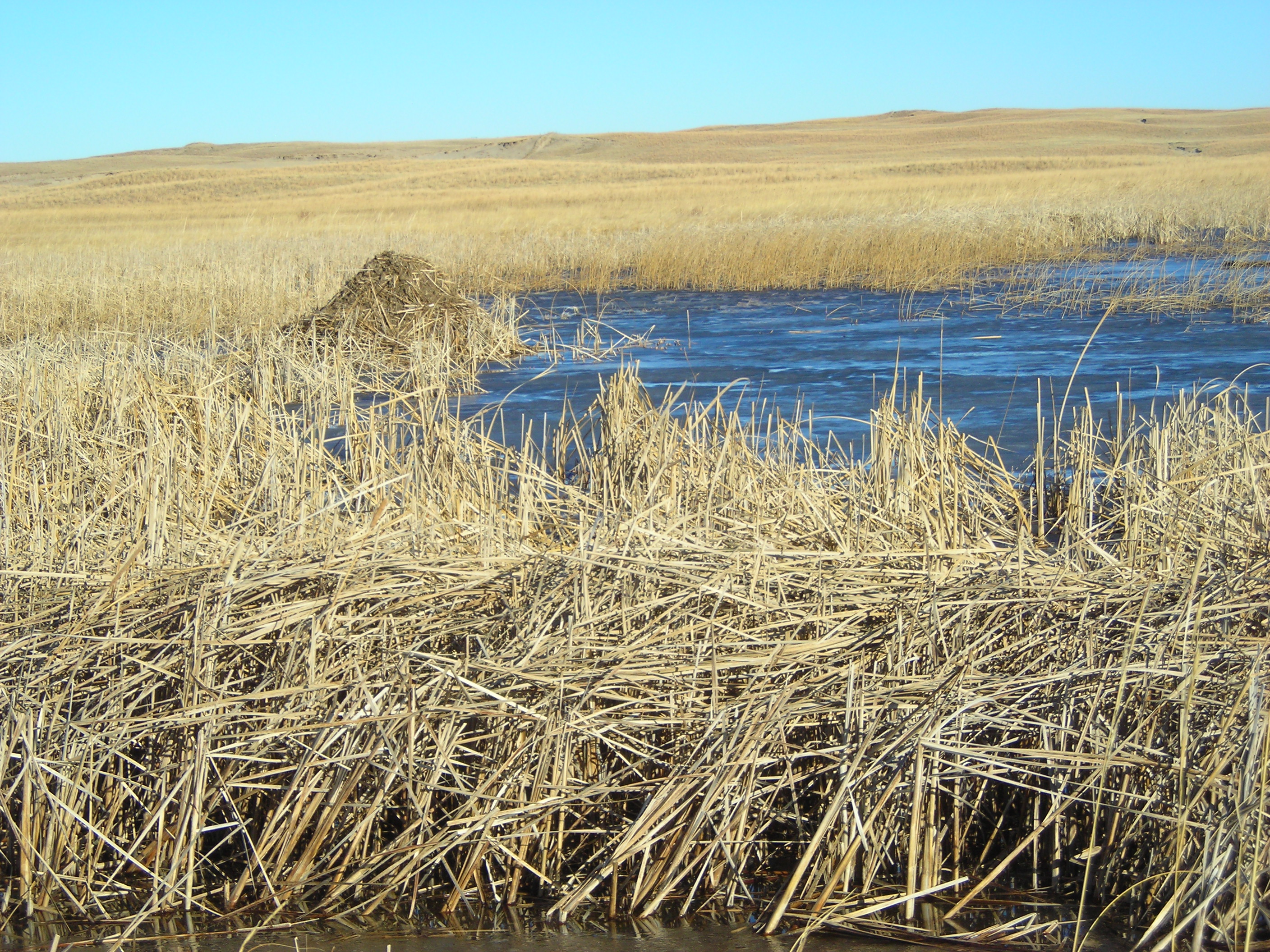
And drove tractors down roads, over sand, through many grasses.
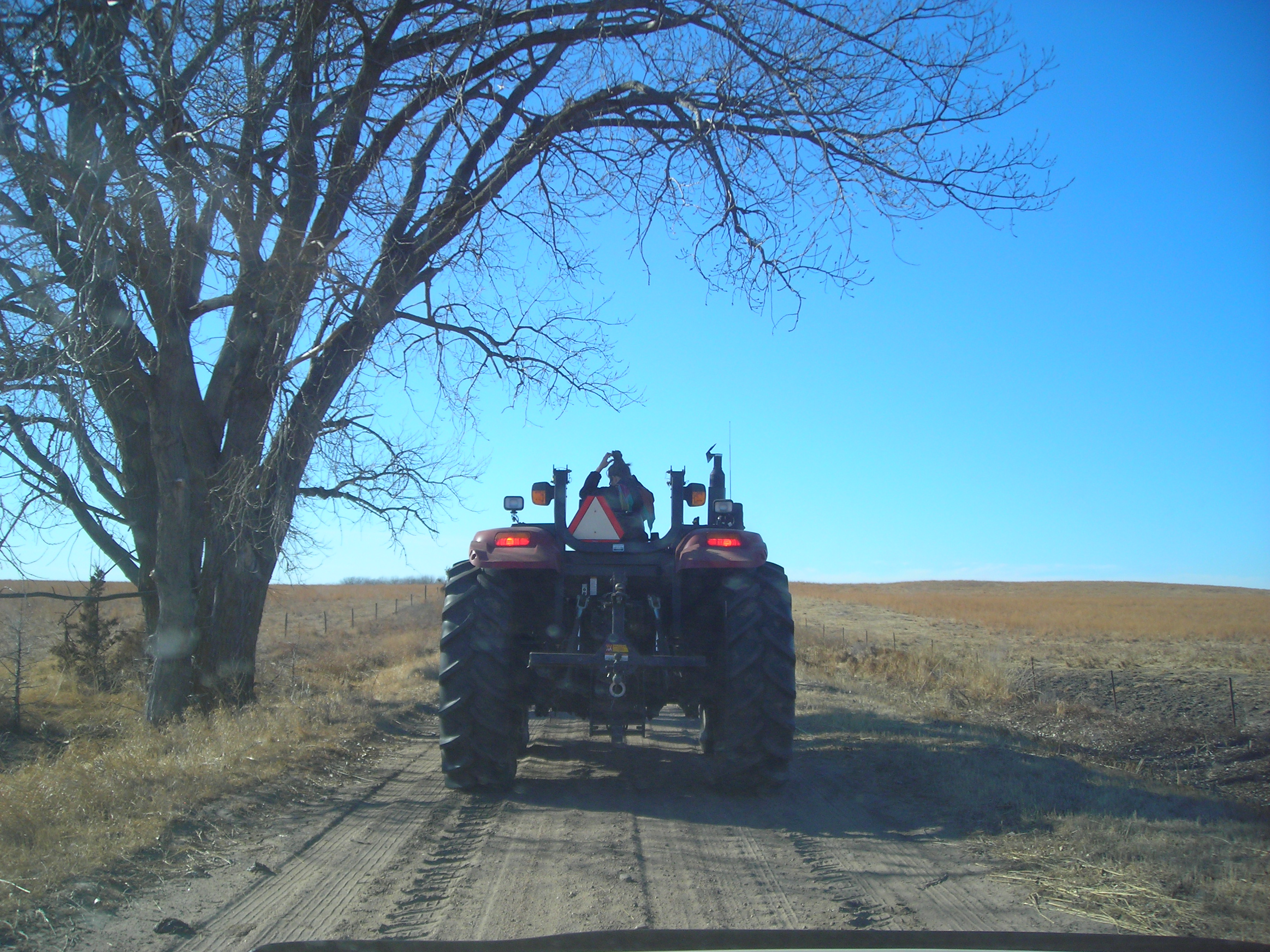
There is more to tell about what’s going on here. Intricate things on a seemingly simple landscape. But that will be shared, or linked to, another time. Stay tuned!
Half-packed
January 28, 2012 § 1 Comment
I have two and a half days left in Colorado. I’m stopping to visit a friend in Nebraska. But don’t ask me about much beyond that. When I see what’s around the next bend, I’ll fill you in!
For now, I am sitting in an apartment filled with boxes. Everything is half-packed. Unsettled, once again. This is an adventure, but adventure tends to have its discomforts and unease. In this moment I take comfort in the sound of the dryer (which I will soon, hopefully, be selling) and the even breathing of the dog lying on the floor next to my computer.
I am grateful for rhythms. Rhythms have a reassuring sameness. And yet even rhythms can be interrupted, reset, altered. (The dog must breathe faster when she is running, which is an important thing.) And you know? That might make for a more marvelous world. It might produce more wonderful music.

Hike the river
January 23, 2012 § Leave a comment
So we used to do. These walks became welcome breaks from studying and working, in those graduate-school Iowa winters. Miss T and my sister and brother-in-law and I went out where the high banks and the thick ice would invite us in, and on.

We followed the tracks of cross-country skiers. The paw prints of other dogs, the boot prints of other hikers. We put our own prints in new snows.

Climbed fallen trees and ducked beneath their branches. Saw our breath turn to fog.
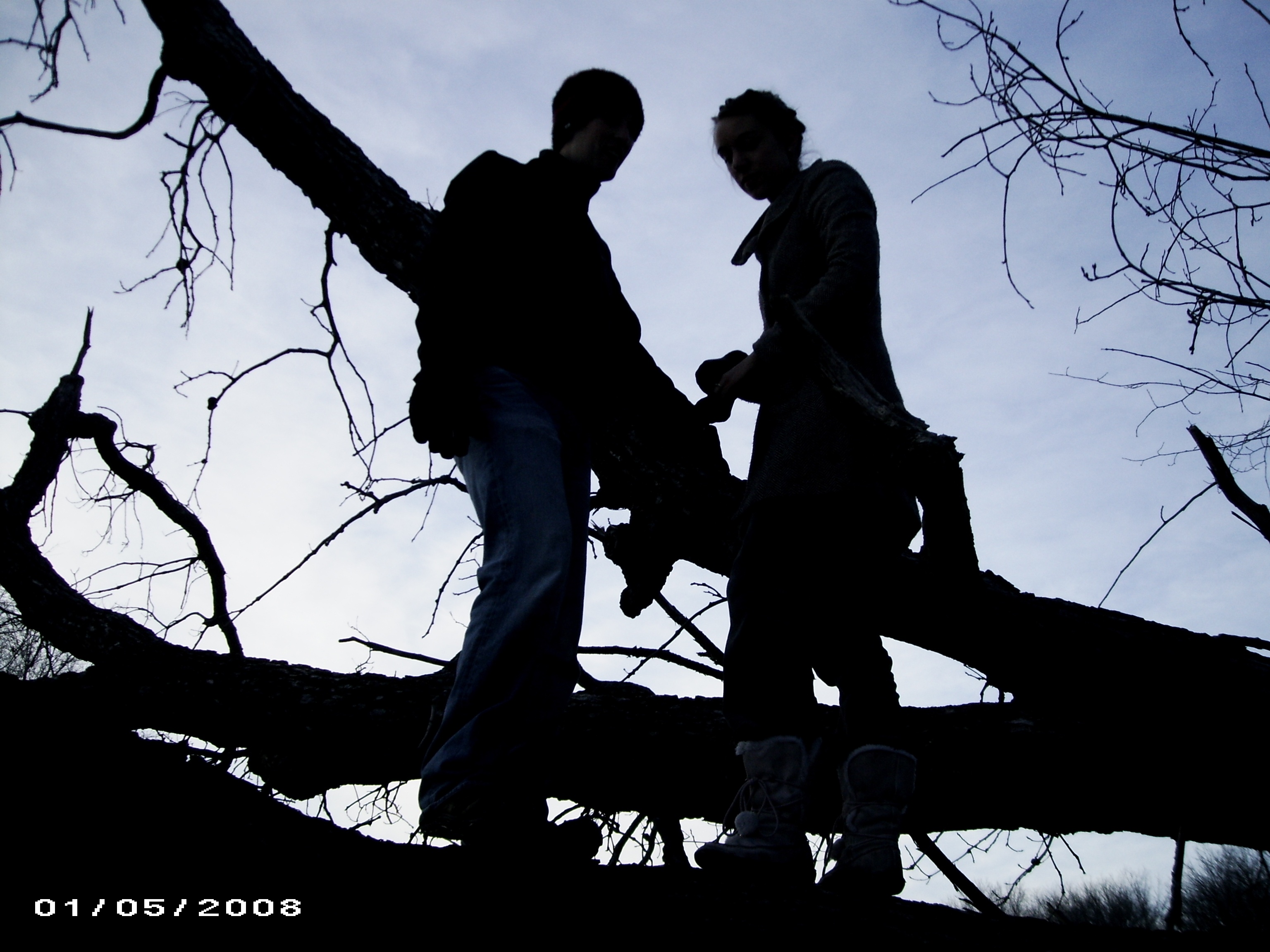
We loved winter. How it opened new terrain. How it made the river a favorite hiking trail.
Human impact
January 23, 2012 § Leave a comment

Across the street they have been pushing the ground around into all sorts of piles and slopes for the past month or so. Big machines with their big noises. Now a crane stands tall against Colorado’s almost-always-blue sky. Apparently a church is going to be built there, though I won’t live here by the time it sees completion.
There is something in me that rebels against seeing landscapes so restructured. It feels innately wrong to push dirt around to make the land roll, or level, where it hadn’t been previously. Human impact. That’s what they call it, and though I know over the stretch of years nature has seen her share of change – I grew up where the Wisconsin Glacier moved, after all – still I am hesitant about the changes humankind likes to make.
And yet, I want to be a farmer. Farming, which is one of our most fundamental ways of disrupting nature, of putting our human desires and motives and needs into a landscape.
Am I a walking contradiction?
The answer, actually, is yes – sometimes – but perhaps not as much, on this issue, as I might first seem.
Here is the thing. There is farming with human profit (almost? always?) solely in mind. And then there is farming with ecology (and, particularly, soil health) in mind. While profit should remain important, in the kind of farming I want to do, it won’t be so important as to allow for ecological compromise. Profit must come within practices that respect and are guided by nature.

There is a nonprofit in California, just south of Santa Cruz, that I discovered in my early learning-about-sustainable-agriculture years. Wild Farm Alliance is dedicated to promoting farming that embraces the wild, or what is called “wild farming.” The organization operates on the idea that farming and wilderness need not be mutually exclusive – though it seems, at first glance, that they can’t help but be, and the recurring conflicts between farmers/ranchers and environmentalists only further such a conclusion.
But why shouldn’t they come alongside each other? Certainly a farm isn’t going to be an untouched wilderness, but neither need a farm be devoid of everything other than fencerow-to-fencerow crops and directly profitable commodities. I find it a beautiful challenge to consider how to integrate what nature wants to do within my plot of land and my region’s watershed, and my goals as a farmer.
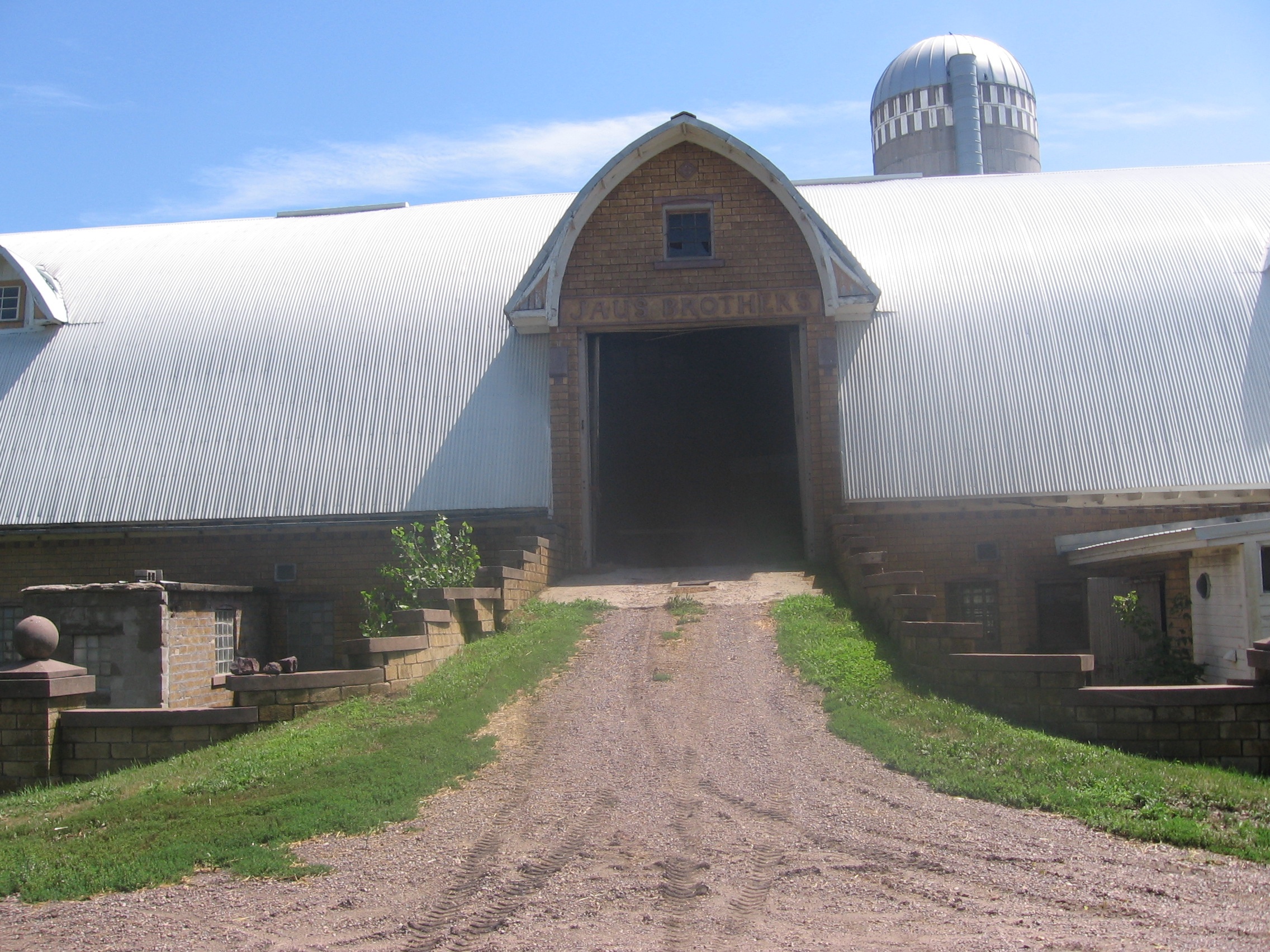
Several years ago I had the fun of spending a week on Martin and Loretta Jaus’ Holstein dairy farm in Gibbon, MN. Martin and Loretta are former wildlife biologists who’ve got a good grasp this wild farming concept. They have bluebird boxes on fence posts across their property. They have a an area set aside for a pond and wetlands. They have wild and native grasses in their pastures and ditches. Wildflowers turn up their faces and trees line the long lane. This farm is not only profitable, but diverse and alive. A pleasure to see, and wander through. It is not wilderness, but it most definitely has elements of the wild.

And do you know? Some of these things that seem as though they detract from profit – such as land set aside as opposed to being planted with corn and soybeans, thus reducing bushels harvested – actually benefit the farm. By providing natural habitat for beneficial insects, farmers can better keep pests under control without the use of strong pesticides. When a field contains a healthy mix of grasses and forbs, most ideally native varieties, the soil becomes healthier – better able to hold water and nutrients and maintain aggregate structure, thus avoiding erosion issues. By rotating areas that will be allowed to run “wild” for a few years, the farmer grants that land rest and time to revive itself. Topsoil is rebuilt rather than lost. These are not always immediate, $$$-in-the-bank profits, but they offer long-term benefits that contribute to a more sustainable farm and a more sustainable world.
And I must add – with my own personal penchant for beauty – that farms incorporating wild nature make for scenic countrysides. This is a great happiness on its own, but if we want to get into monetary matters, an aesthetically pleasing stretch of land has the potential to increase property values and/or tourism in the area. Which makes for a better economy. Right?
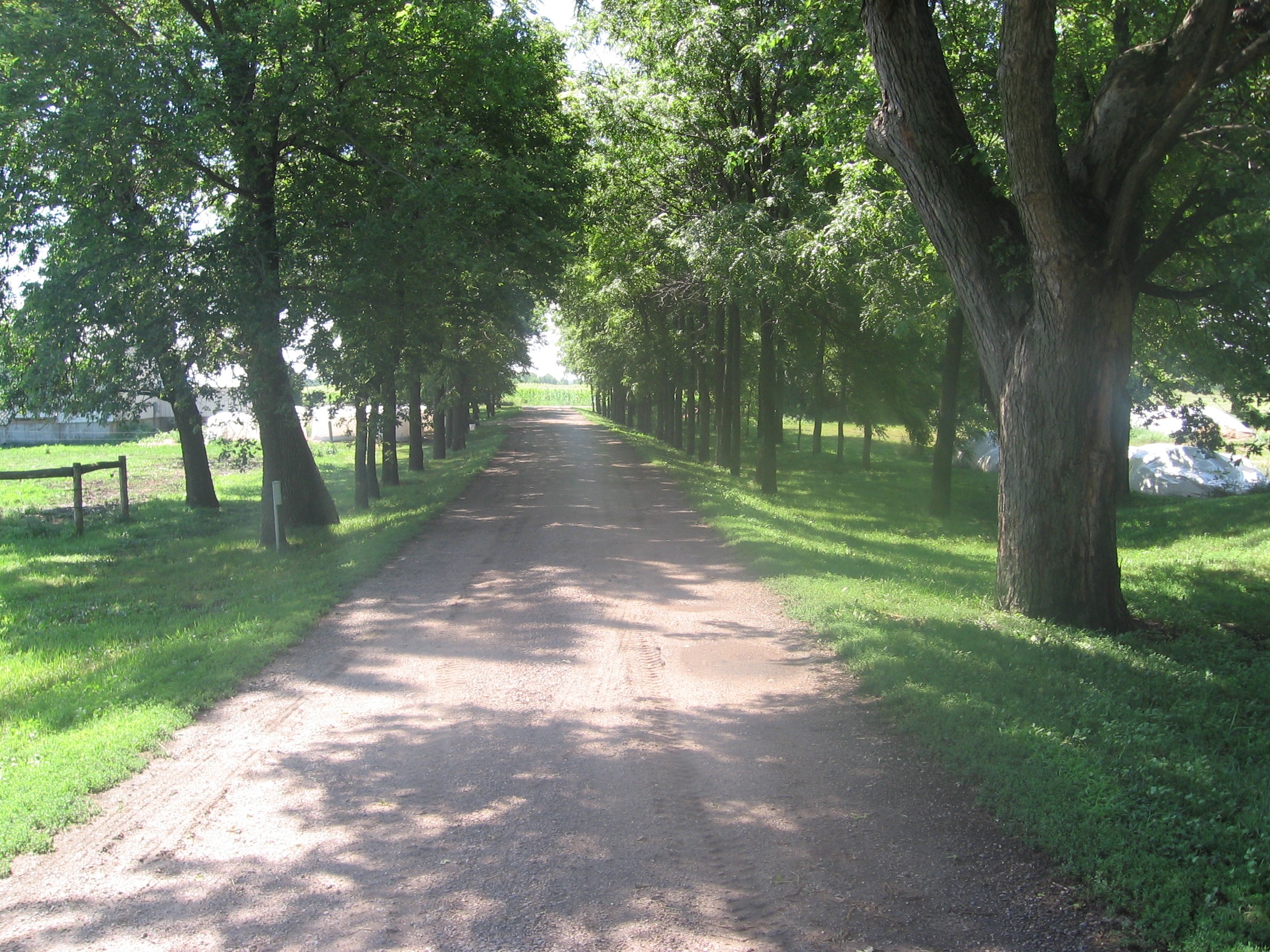
So. I suppose there will be, still, some land getting pushed around on my farm. But I hope it is done with a great respect for what nature has already made happen, an awareness of my own small importance, and an openness to look around at what I might see, and learn – and how I might adjust my actions accordingly.
This isn’t a post meant to judge. We all do what we have to do in certain situations, for a job or a family or some other reason. We operate on what we know, have been taught, and believe. And I admit I haven’t a clue what it means to be in landscaping or construction, or to have to actually support my family based on the way I run my farm (yet). I only know how I react to certain things, and I want to know why, and I want to see what I might do instead of, or in response to, these things – and how it all turns out.
 Kinds of Honey