Summer Evening
July 3, 2012 § Leave a comment
The sandy cat by the Farmer’s chair
Mews at his knee for dainty fare;
Old Rover in his moss-greened house
Mumbles a bone, and barks at a mouse.
In the dewy fields the cattle lie
Chewing the cud ‘neath a fading sky;
Dobbin at manger pulls his hay:
Gone is another summer’s day.
– Walter de la Mare
Seed Savers and a Greg Brown concert
July 3, 2012 § 3 Comments
I’ll be hearing Iowa folk legend Greg Brown, visiting a college friend, and admiring an amazing assortment of vegetables and fruits (and some gorgeous Ancient White Park cattle) in less than two weeks. Yay! (P.S. You could come, too.)
Heat, water, and work
July 2, 2012 § Leave a comment
My goodness gracious, it is hot.
The dog and I have been in the river twice today, once with iced coffee in hand. Otherwise I sit in here and sweat, and she sits in here and pants so heavily I can hardly think. Just now we are still damp and sprawled about the office/living room avoiding awareness of the air’s heat.
This week has been a doozy!
We began with a day and half ecology inservice at my job, where we spent time learning the native plants and birds of this region. I thoroughly enjoyed it. Afterward, I remembered to renew my Audubon Society membership.
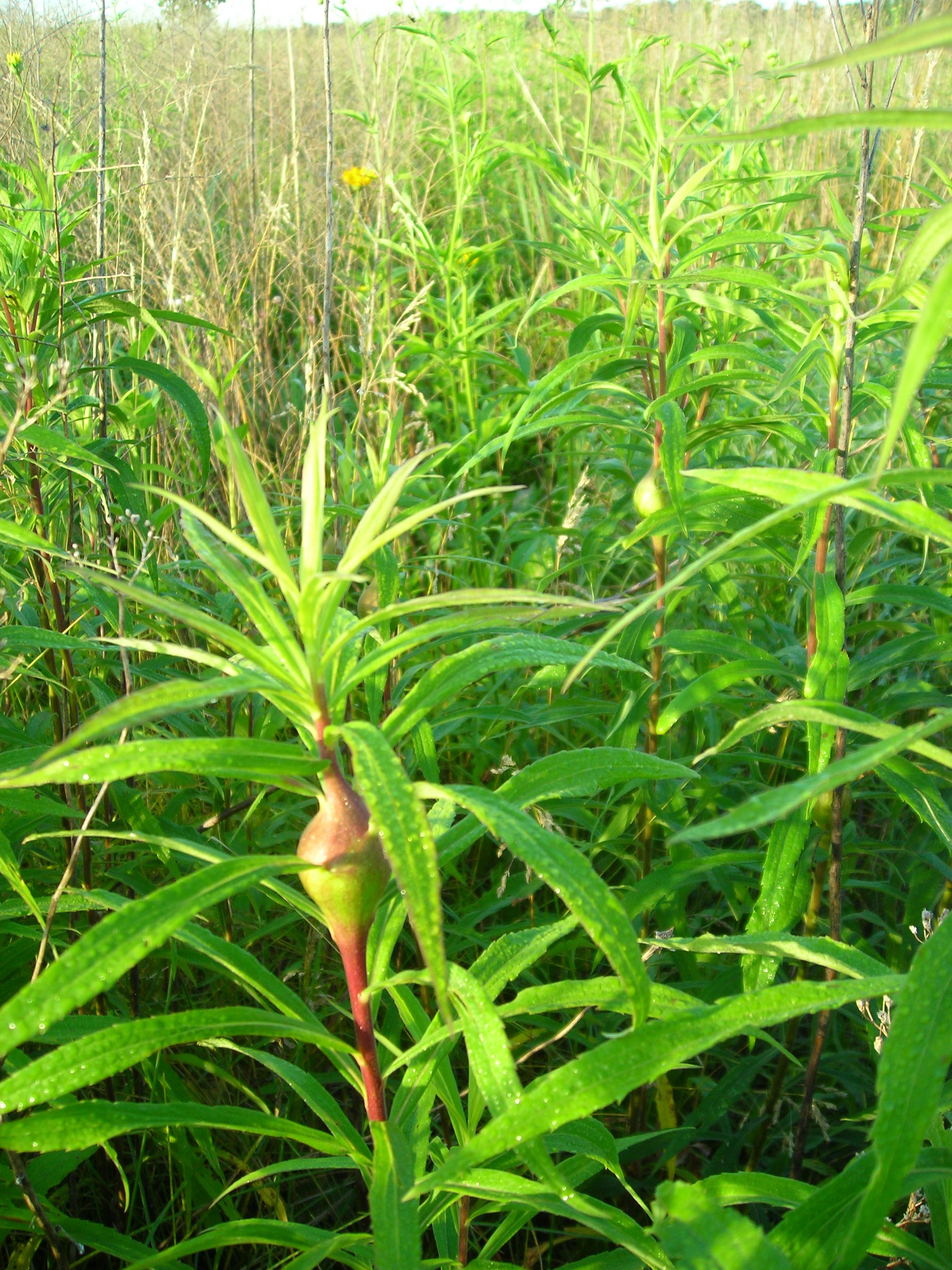


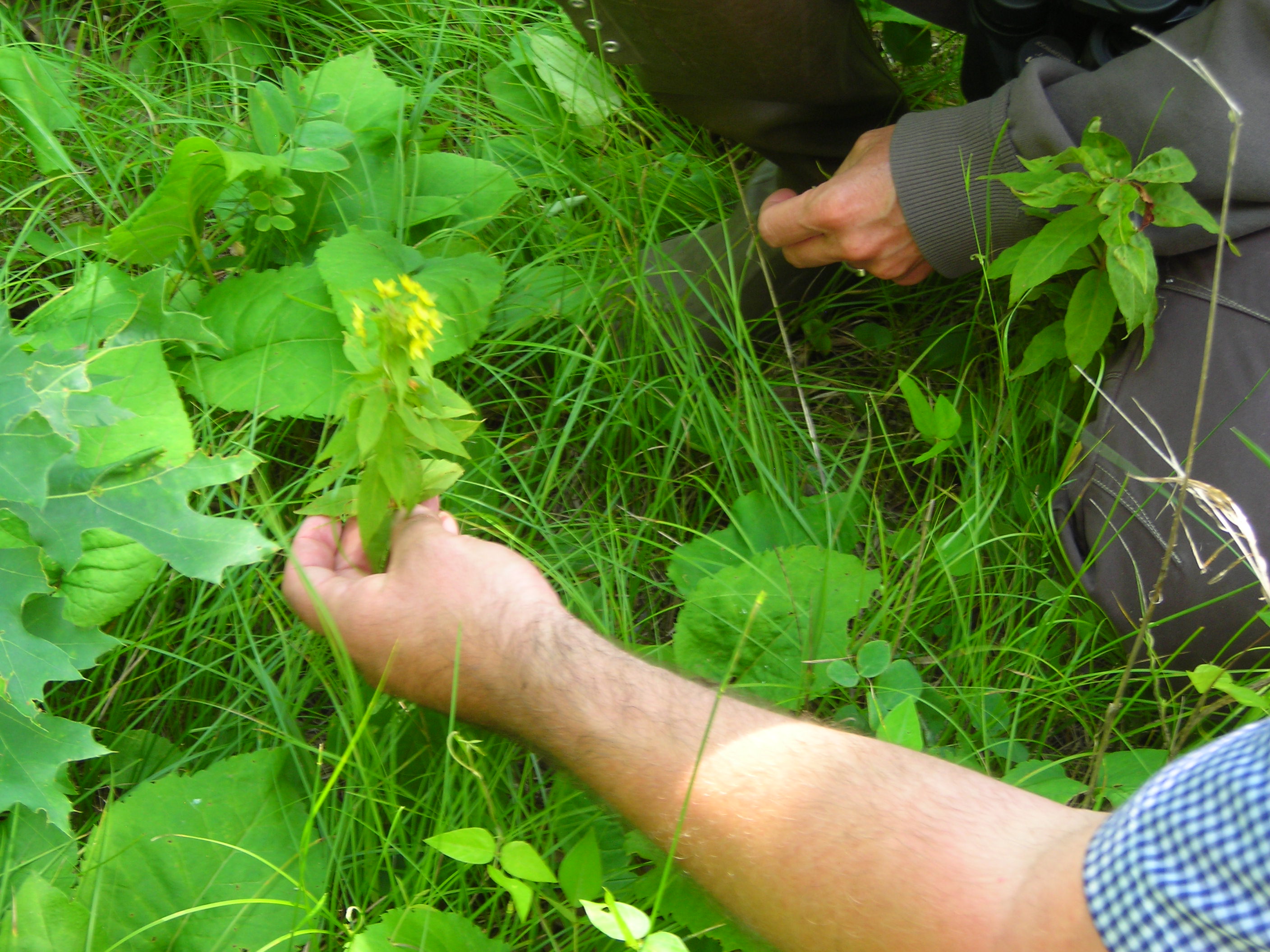

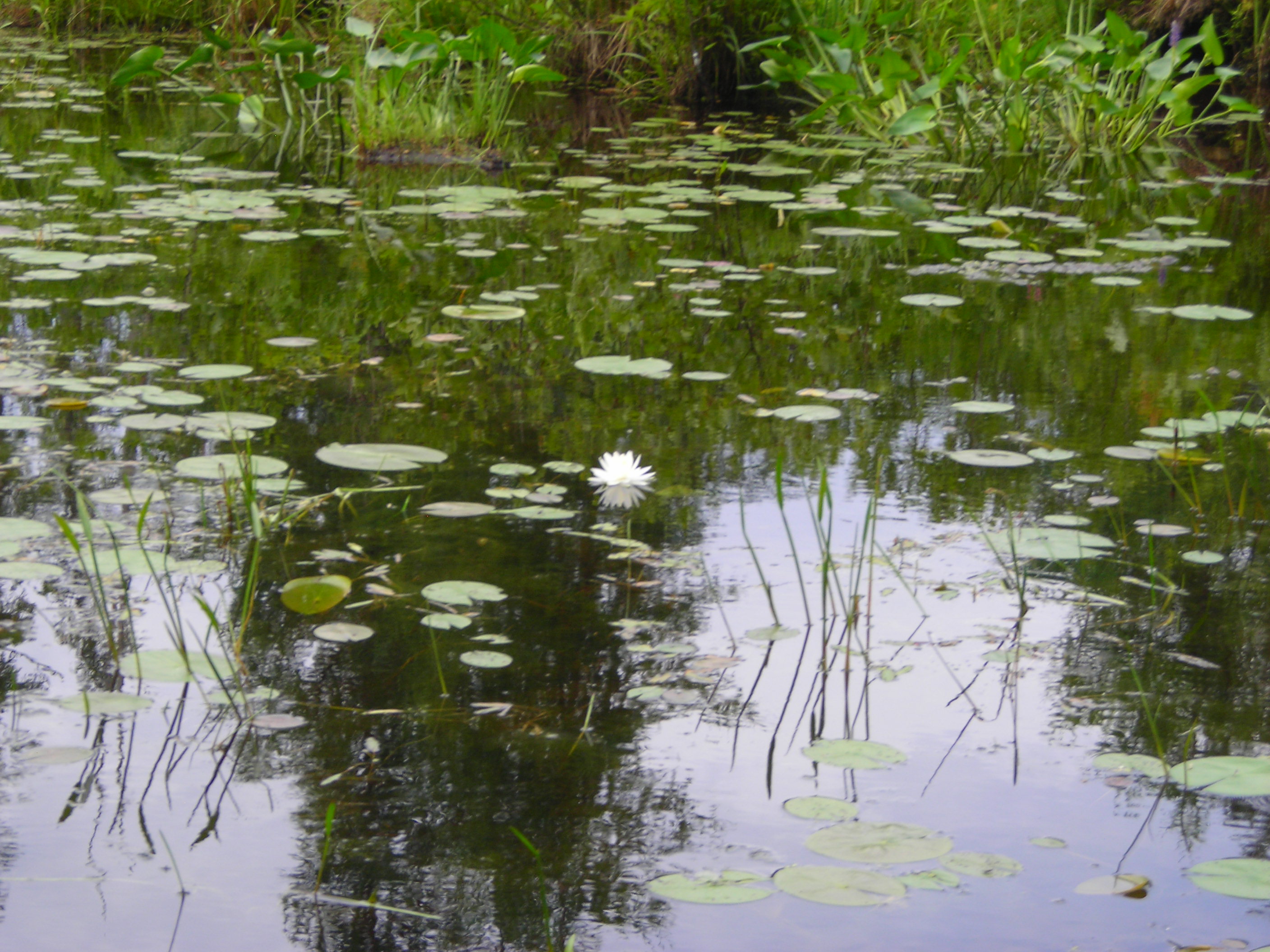
Today while sitting in the cool, shallow flow of the river I listened for birds. It is like getting to know one’s neighbors. Learning their names brings you into relationship with place. I smile to walk past common milkweed, daisy fleabane, and orange hawkweed and to know their color, the shape of their leaves, the creatures that like them and the purposes they might serve. I am tickled pink to recognize the “fire-fire, where-where, here-here” of the indigo bunting, the “chhrrrrrrrr” of the clay-colored sparrow, and the “chip-chip-chip-chip-chip” of the chimney swifts darting above my roof.
Halfway through the week we brought in an expert to teach us how to build a ferrocement tank.
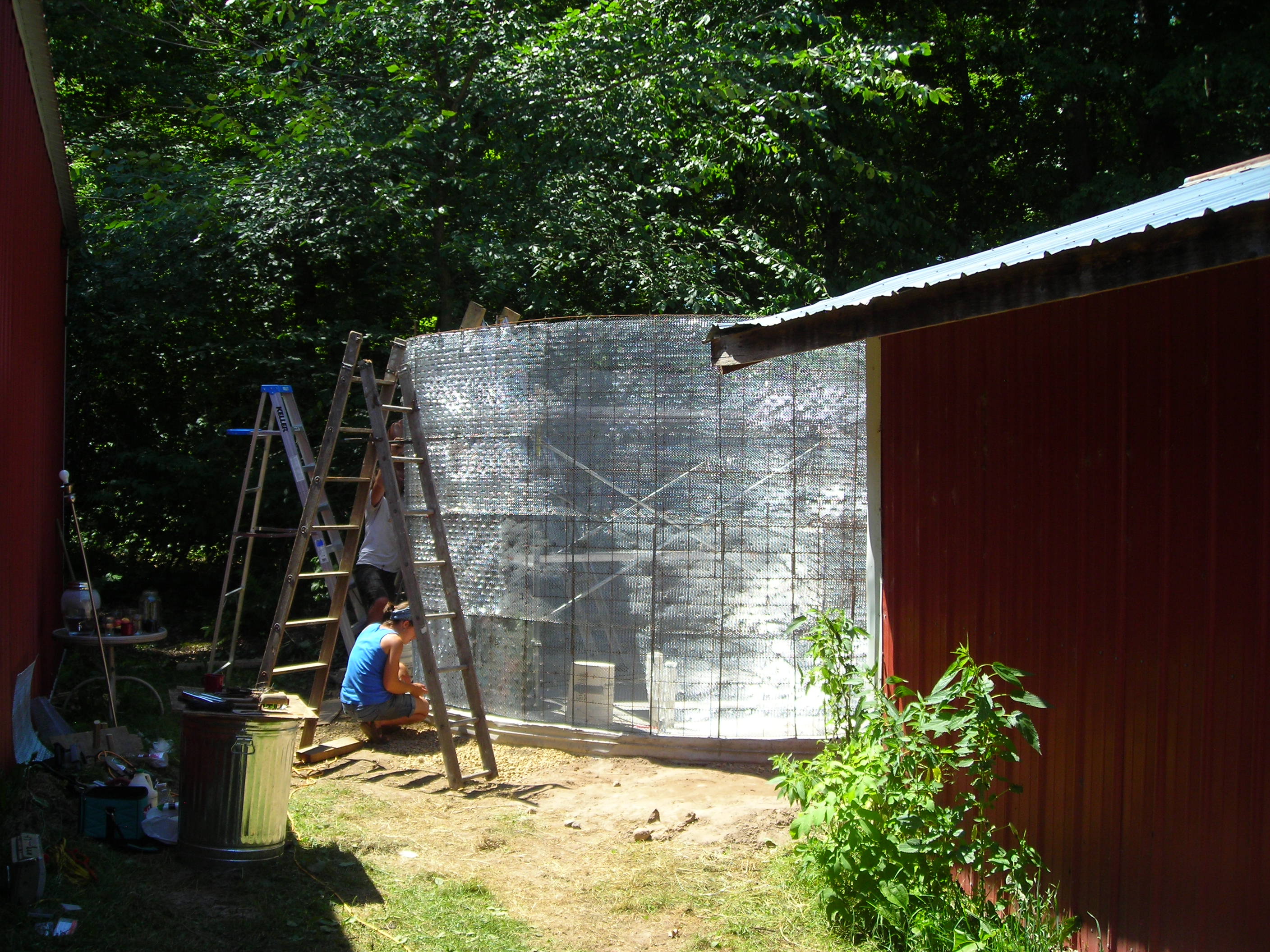
This involves pouring a cement pad, building up the structure with rebar, mesh, and EML in the shape of a short silo, and mixing sand, portland, water, and glue to sling mud onto the structure. The purpose of the ferrocement tank is to catch rainwater from the roof of the polebarn and redirect that water as needed for agricultural use.


Guess who helped a bunch? Or rather, supervised with affectionate brown eyes and a good deal of panting?

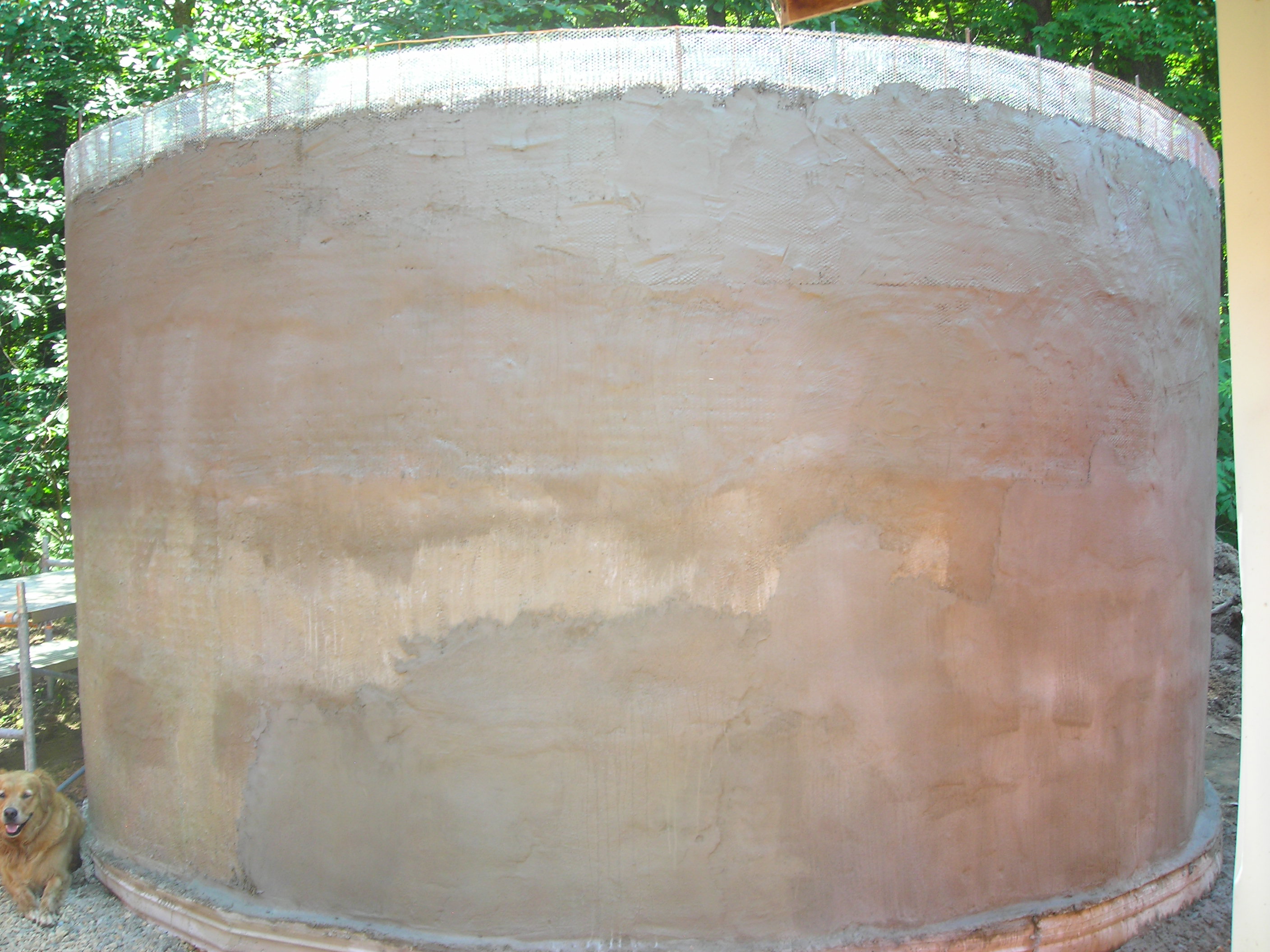
The work was fascinating and sometimes tedious, and by the third day with the heat of the sun beating down, our relief upon nearly finishing was significant! We ended the workday by unloading hay into the barn, eating a fine late lunch, and heading to the river for a swim followed by a nap. Keith (our instructor) gave us a brief information session on how to finish putting a roof on the structure, and then we went merrily on our way to an early bedtime. Though I made brownies and ate ice cream first.
And now, thank heaven, it is Monday. I am doing small work tasks like marketing workshops, updating facebook, and switching water lines as needed. But otherwise, this is a rest day to make up for the week’s hard work and large amounts of people time (I am one of those sorts who need a balance of people time and by-herself time). It is a satisfying kind of day, one where you feel you’ve earned your rest, and are excited for what’s coming next.
Life is good. Even in summer’s heat.
Beatrix
June 29, 2012 § 2 Comments
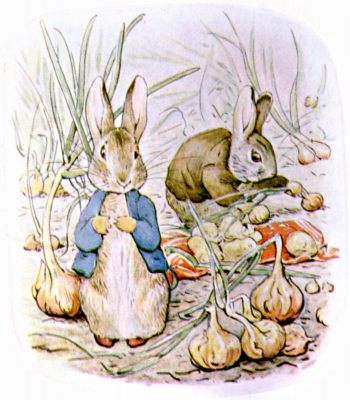
It occurs to me that Beatrix Potter is a hero of mine.
We were watching the film Ms. Potter with my grandparents a few months ago, which surely embellishes as movies are apt to do. Still, in my (many years of) college studies I learned that in addition to creating her lovely children’s stories, Ms. Potter took on the cause of the small farmer. This determined, independent woman fought for the British countryside and published the most remarkable, beloved tales. Nature and community mattered to her. I can’t help but love her for it. And aim to do as much.
Conflict and resolve
June 22, 2012 § Leave a comment
“The most tragic conflict in the history of conservation is that between the conservationists and the farmers and ranchers. It is tragic because it is unnecessary. There is no irresolvable conflict here, but the conflict that exists can be resolved only on the basis of a common understanding of good practice. Here again we need to foster and study working models: farms and ranches that are knowledgeably striving to bring economic practice into line with ecological reality, and local food economies in which consumers conscientiously support the best land stewardship.” – Wendell Berry, “Hope,” The Fatal Harvest Reader
* * * * *
I just want to add: yes. And you know, as far as we have to go, in my experience there are already many moving in this direction. Berry’s essay was published in 2002. Ten years later, I’ve come across an encouraging number of farmers who want to work with conservationists, and conservationists who are working to understand the needs of farmers. Have we adequately defined “a common understanding of good practice”? Oh, no. That will long be a conversation in progress, a dynamic and region-specific process. But to begin to agree on some fundamental principles of good practice, alongside an awareness of what humans need to survive both in the present and long-term, is a foundation that, I think, many have begun to build. And we’ll keep on building it, as more and more of us realize that we must.
Two organizations and one good day
June 20, 2012 § Leave a comment
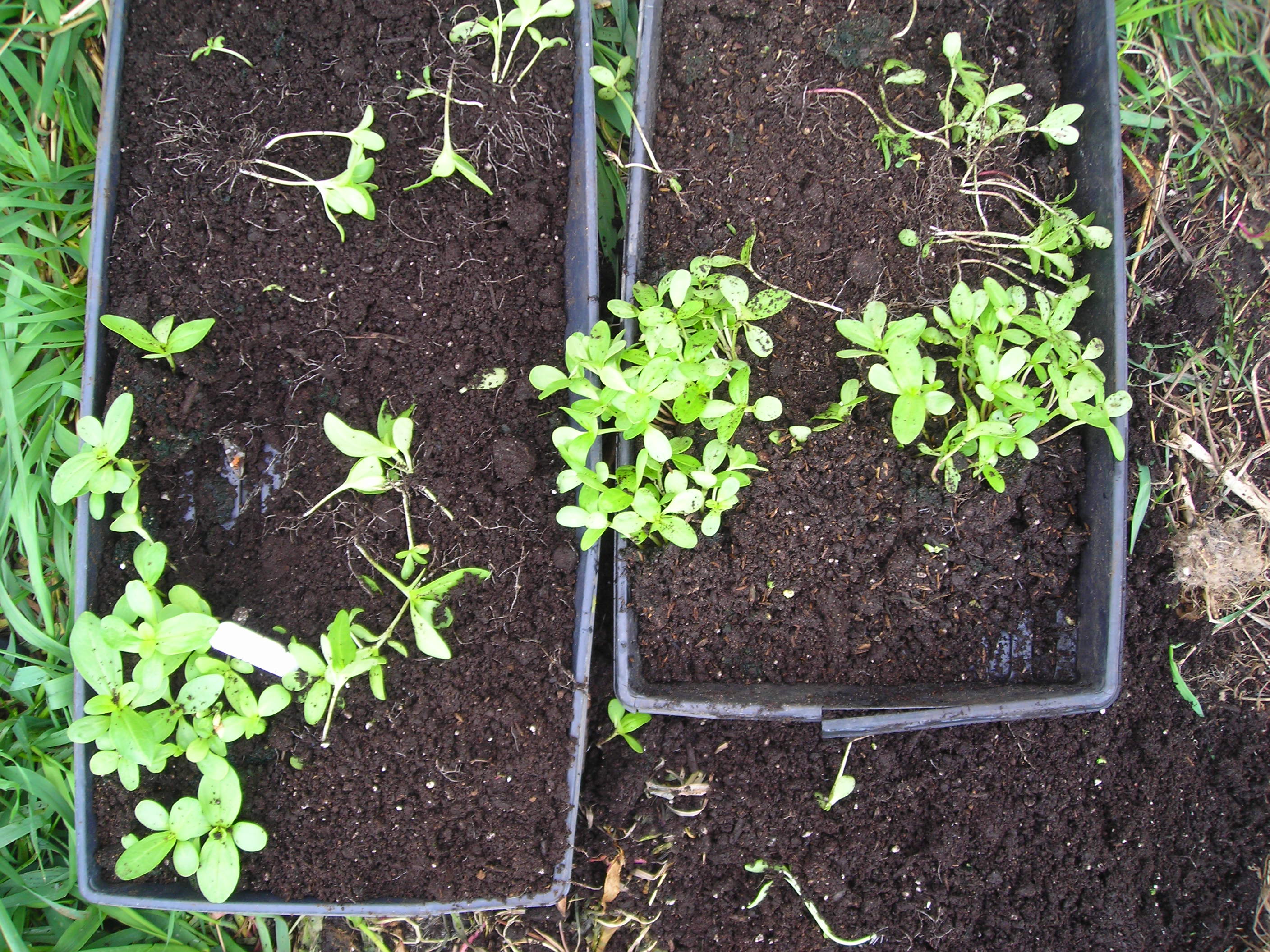
At the beginning of May, I got to visit a couple of great nonprofit organizations in Minnesota.
My sister works for a nonprofit called Community Thread, which is a volunteer center based in Stillwater, MN. Each spring they put on a big Spring into Service event, which pairs volunteers with local nonprofits to participate in work projects, followed by an after-party at the Community Thread office. Since Elena knows I’m all about agriculture issues – and how these overlap with social issues – she sent me up to Marine on St. Croix to work with the Minnesota Food Association.
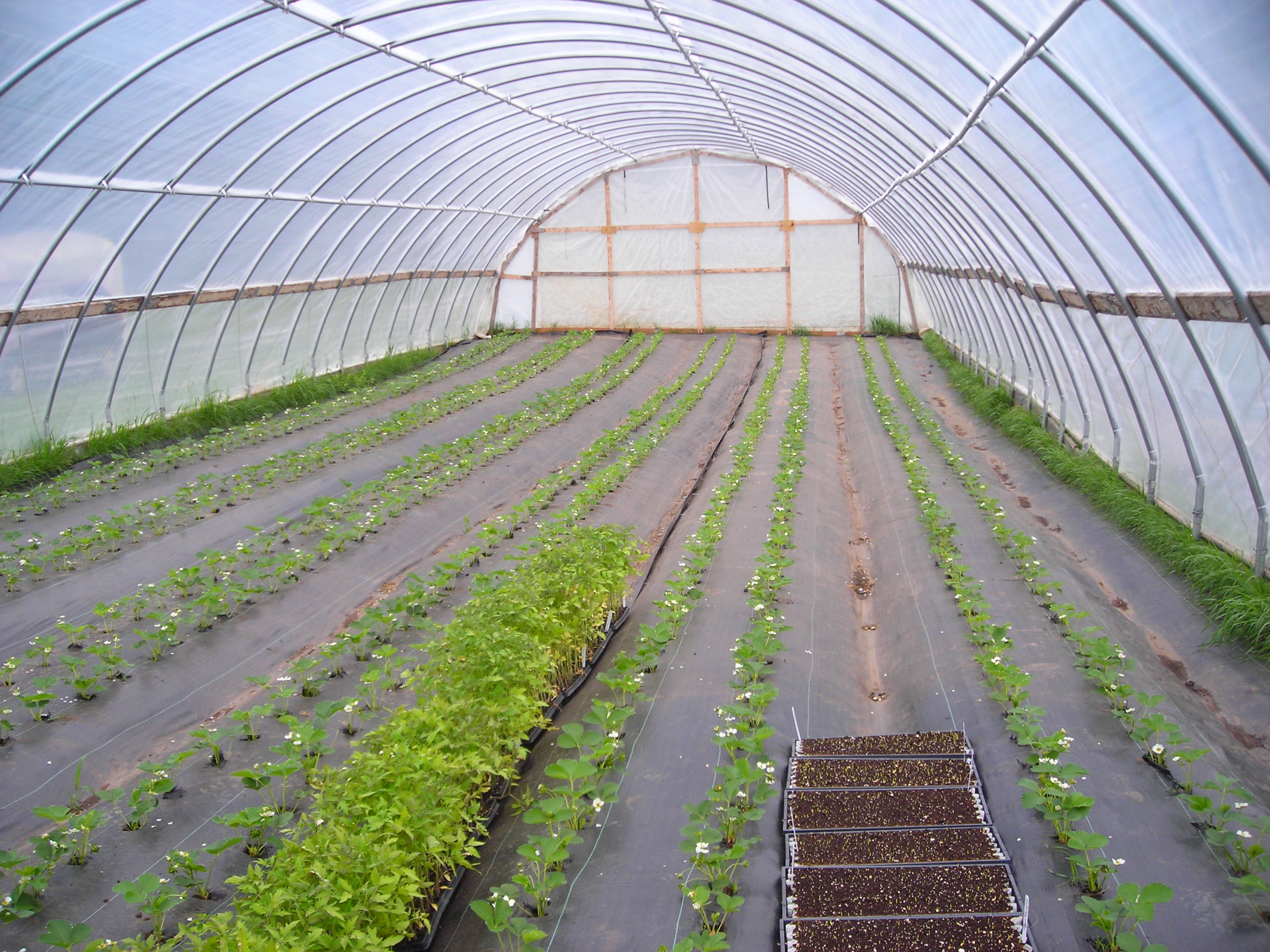
There, I got to jump in with the staff, participating farmers, and a group of volunteers to weed, plant, transplant, and learn. The MFA provides farmers “with the skills and knowledge to operate their own viable organic and sustainable vegetable farms, while providing fresh, organic produce to local consumers by the farmers-in-training and promoting a more sustainable food system.” They work specifically with immigrant and minority populations, offering plots of land for rent, training programs, benefits, and a CSA that farmers can participate in as they grow their businesses.
I feel like I could go on a gigantic rant about how great this all is, but really, the best way for you to learn is to go to their website, go to the events and work days they put on, and maybe even become a member of their CSA, which operates as Big River Farms. I’ll just add this: that providing people with support and a strong start in a growing field, within the context of community, producing something that is not only more and more in demand but is also essential to our well-being, is a cleverly mult-faceted approach to dealing with many of our nation’s challenges that I can’t help but find inspiring.
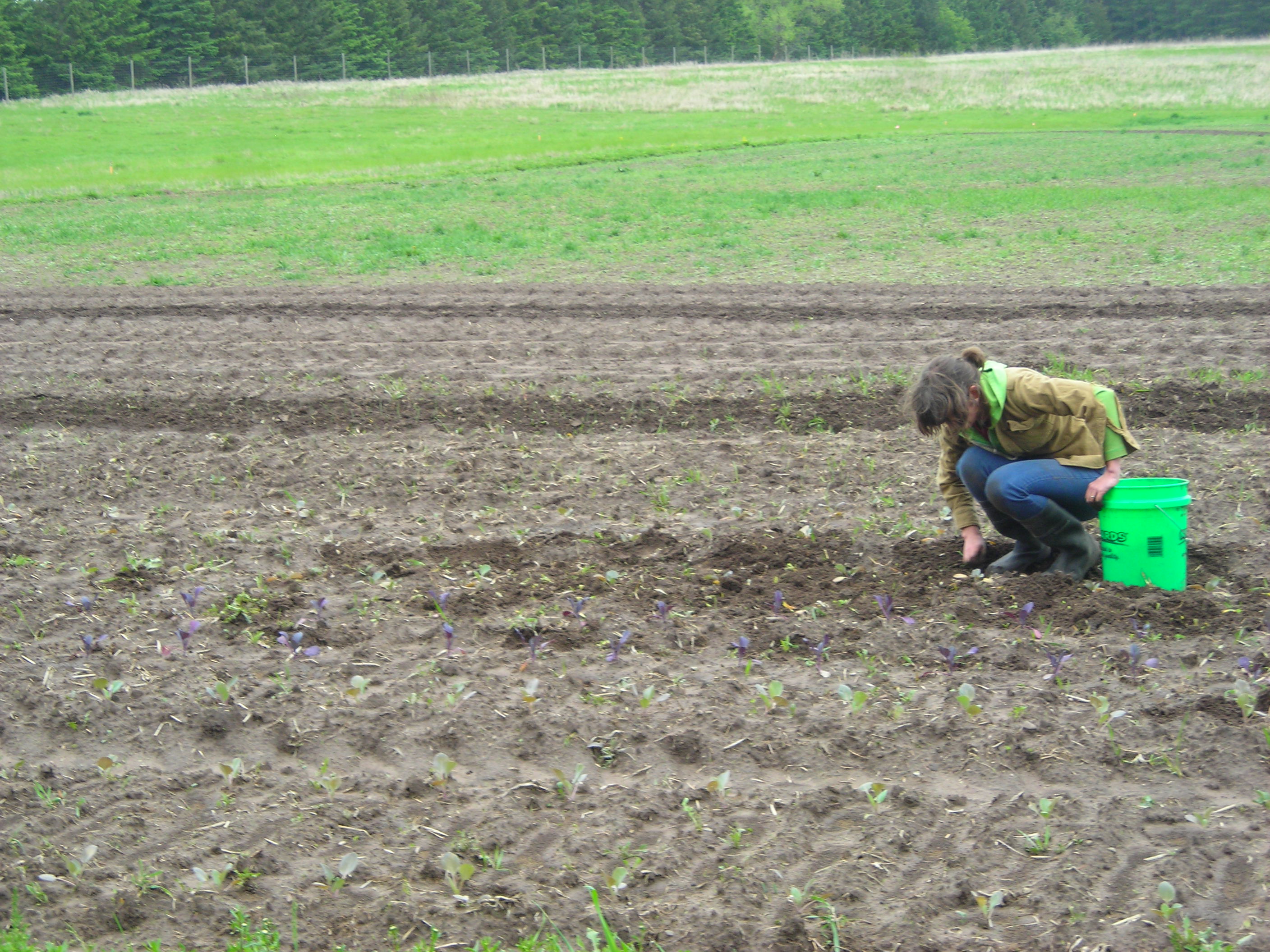
We worked on a cloudy, slightly chilly day, but most everyone was cheerful and hard at work. How can you not to want to jump in when you’re surrounded by the health and life of young, strong, promising little plants?
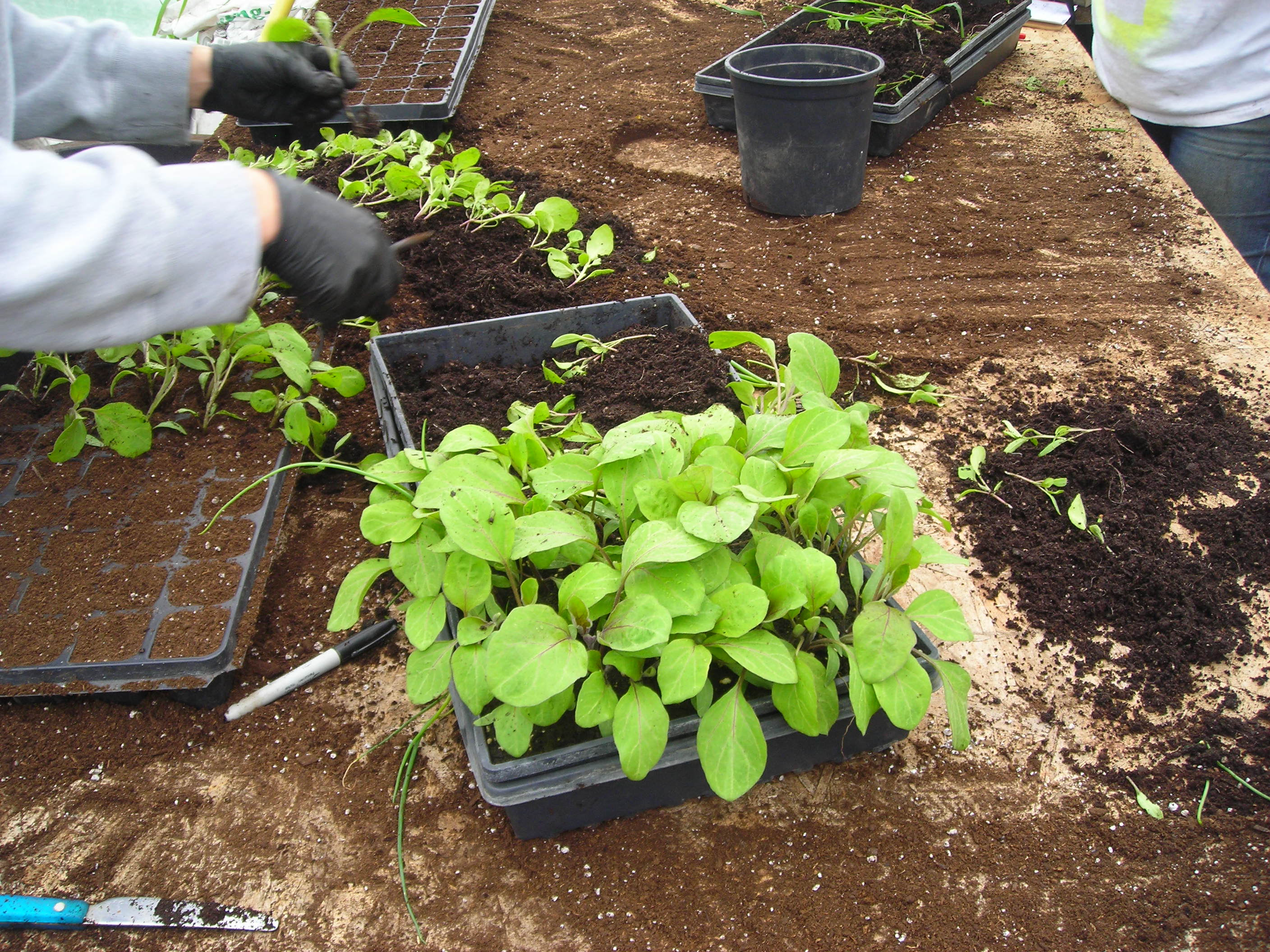
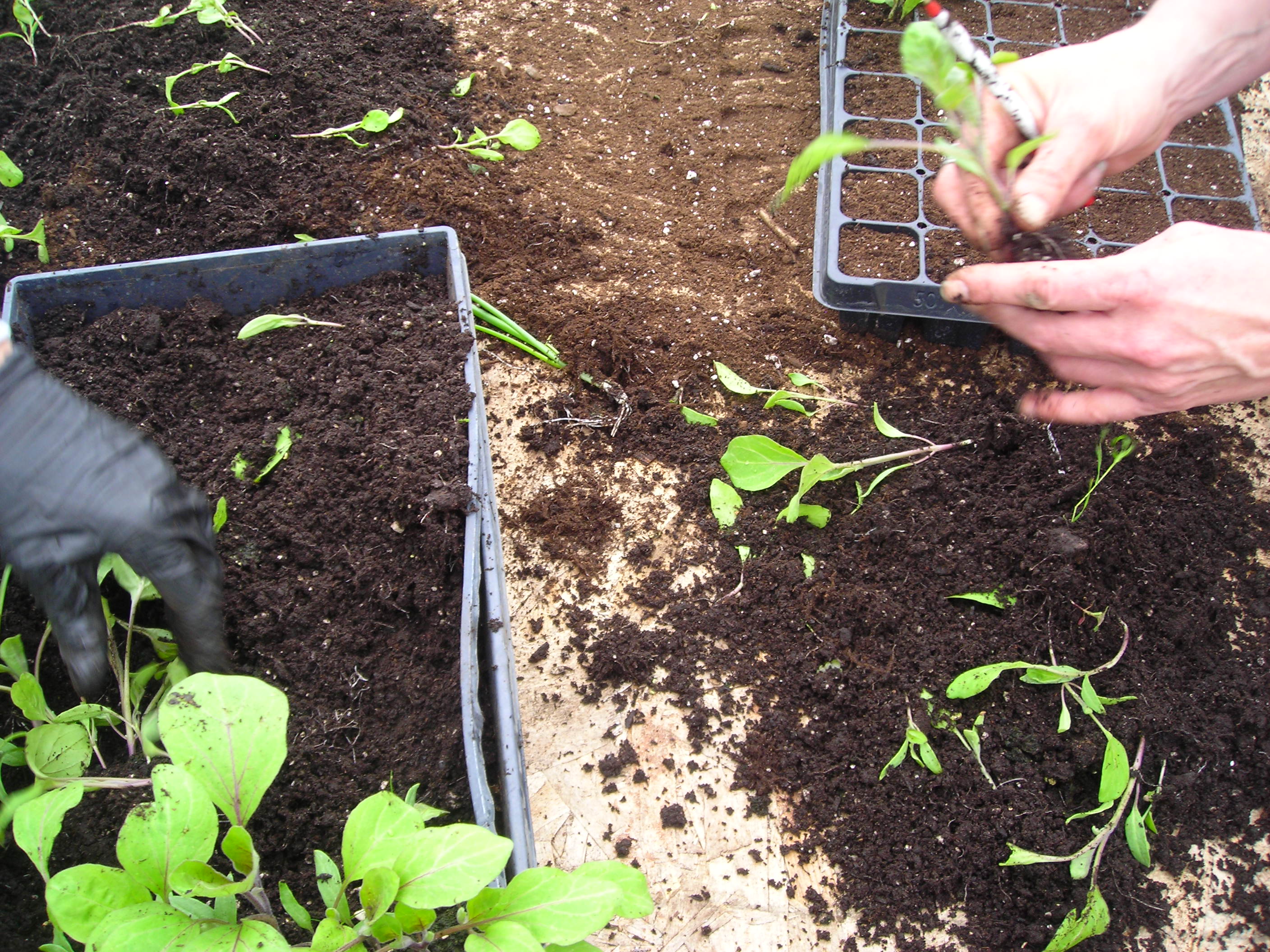
Thanks to Community Thread for connecting me with this opportunity. And thanks to the farmers and staff at Minnesota Food Association for the work that you do. It was a privilege to meet all of you, and I look forward to participating more in the future!
Beekeeper
June 7, 2012 § 3 Comments

I do not usually love pictures of myself. But this one that my sister snapped a few weekends ago may be a new favorite. It is evidence of an idea that has become a reality. How lucky is that?
Bow tie pasta with stinging nettles
May 31, 2012 § Leave a comment

The first time I ate stinging nettle was in France, in a soup. We had stopped on the side of the road so my host could gather some. Veronique was just what you might imagine a French herbalist living in a stone house in Normandy would be like. I tasted the soup tentatively, then finished the whole bowl.
I came across nettle again a few months later, in a colder climate where spring was still lingering. We planned to serve nettles with gnudi at the farm dinner that evening. I wore gloves to pick off the stems, but even so, those fine stinging prickles poked through. My fingertips felt numb for two days. But the gnudi tasted delicious.
When I went walking through the rampant dame’s rocket this afternoon to get down to the river, I felt the familiar sting of the intermixed nettles through my thin pants. The flower has joined the nettles as possibly the most invasive species in the wooded area east and south of the farmhouse. I should have known they would join forces, but the bright flowers so distracted me that I didn’t become aware of the nettles in their midst until my legs were burning.

The positive part of that painful little stroll is it reminded me that I wanted to tell you about eating nettles. Nettles were one of my first wild food discoveries, other than the ordinary kid stuff like finding gooseberries or wild grapes growing on your farm and filling up buckets so you can bring them home jam. But nettles, in being less apparent, make you feel like you’re really foraging. Sorting through the green, knowing that something not immediately identifiable as food is actually very good for you.
Stinging nettles are past their prime eating stage now, unless you live farther north than Wisconsin. Generally it is best to eat them when they are young, and always before they start to flower. The ones I picked were already on the large side, and I had to sort out the bigger and tougher leaves.
The trick to taking out the sting? Either dry them or boil them for a quick 3 minutes. The hairlike prickles lose their sting and you’re left with a highly nutritious wild edible, that took you just a little effort to harvest, and no effort at all to grow.
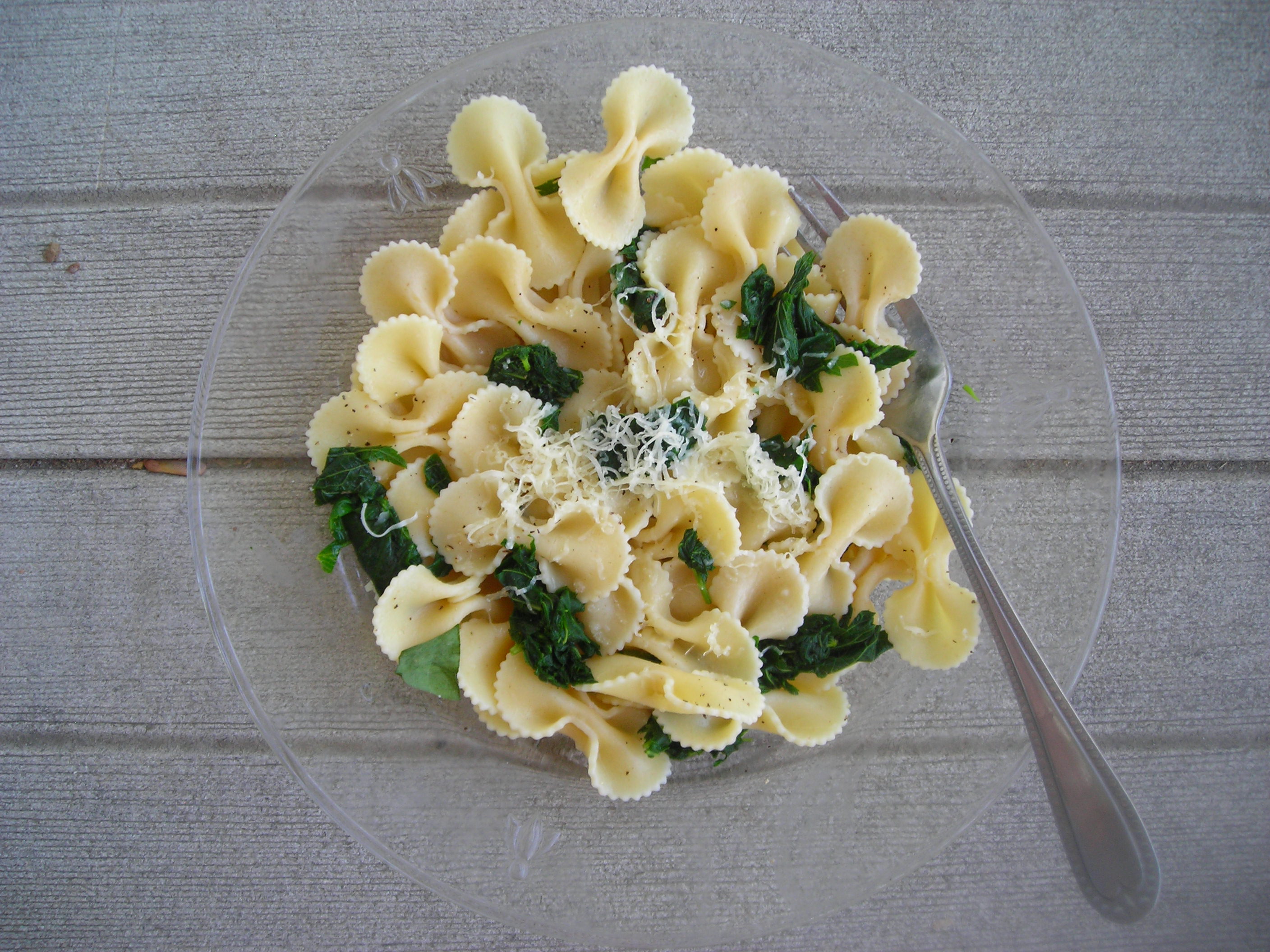
So here’s the recipe: (1) Pick the small leaves and tips of nettles, wash them, pick off the stems, boil the water, toss in the nettles, time them, and then drain. (2) At the same time, make whatever pasta you fancy. (3) Chop the nettles and stir them into the pasta with plenty of butter, salt, pepper, and garlic, with a grating of a hard raw sharp cheddar on top. Anyway, that’s how I liked it!
You can also make a tea with nettles; it’s commonly used as a tonic, particularly for congestion and allergies. I’d suggest adding honey, of course . . .
If you have yards of (these incredibly invasive) nettles in the woods and they’ve passed the edible stage, another clever idea is to hack them down and toss them in your compost pile. We used our swanky new scythes to cut them back a few days ago. Nutrients!
For more on nettles, here’s an article I just popped across that gives you some additional info and uses.
Quenched
May 24, 2012 § Leave a comment
It is raining outside. Yesterday I bought two trays of flower starts thanks to a sale at our local nursery, and perhaps somewhat foolishly (and optimistically) decided right away to put them in the ground. Rain was in the forecast. Surely it would be all right.
But as I loosened the soil to make pockets for the salvia, hypoestes, zinnias, mimulus, phlox, allysum, lobelia, and begonia the wind blew roughly and the soil moved through my fingers dry as sand. Now and then I’d have to pause and close my eyes to keep the dirt from flying into them; even so, there were times when I missed anticipating the dusty gust and had to gently wipe the corners. Poor little flowers! I suppose I should have stopped right then. Sometimes I get so determined and just keep going when I ought to reassess and redirect.
While the heat, despite the lack of rain, has been coaxing the peonies and irises towards heavy, just-about-to-burst budding, that hot, dry wind is one of the reasons I do not terribly miss Colorado (apologies to all my favorite people there, and horses. I do miss you). Such a wind isn’t an especially common thing in the Midwest, just the result of this dry spell, something we expect will pass. With each little cluster of transplants in their places I gave them a good watering, yet the few times when I went back to relocate a few of them I discovered that beneath that top wet layer the earth was still dry, dry, dry. I rewatered and sort of wished/prayed that they would find the moisture they needed.
The sky to the West had that promising slate blue-gray, one of my favorite colors, and yet a tantalizing one. The one where you’re watching for rain. I looked west often, but the rain didn’t come. I sowed in some cornflower seeds, watered everything one last time, and went inside to make dinner. Checked weather.com. Listened to occasional growlings. Tassie and I sat on the porch as the darkness came on and blinked at the great flashes of sheet lightning to the West and the North. The winds were calmer, but still restless, blowing in different directions. Uneasy. Everything was waiting.
I tried to go to sleep at 9:30, like a good girl, but I kept listening for the rain. I had my window open a crack and when the first few smatterings came I went pattering down the stairs with the dog close behind. We sat on the porch again, but those first spits were only that. Spits. A bit of dampness, and fireflies flitting around to make me smile like a ten-year-old. All right, then. I really must go to sleep.
This morning meant the most quietly satisfying way of waking up. Pale gray skies and a luscious, cool, wet breeze through the window. Mm. A quenched earth. A morning for coffee, and a lit candle. But first, a barefoot walk on the same grass that scratched my feet yesterday. It is cool and soft today. The flowers stand bright and colorful in the garden and several have already put forth new blooms. About an hour ago the sky decided to give even more, and now I can hear the rain smacking the porch and sliding down the gutters. Tassie and I dashed about it in for a few moments. I grinned at my garden as if I had given it a gift. But the gift is not from me; it is nature herself, this amazing, systematic, mysterious, ecological being, doing what she does. How lucky I am to live here, where she makes everything so green. How determined I am to better learn to her ways and to act within them, so that it becomes less a conscious decision and more a way of life. So that I will know, without even having to think about it, that I am made of dust. And quenched with rain.
Sheep shearing
May 23, 2012 § Leave a comment

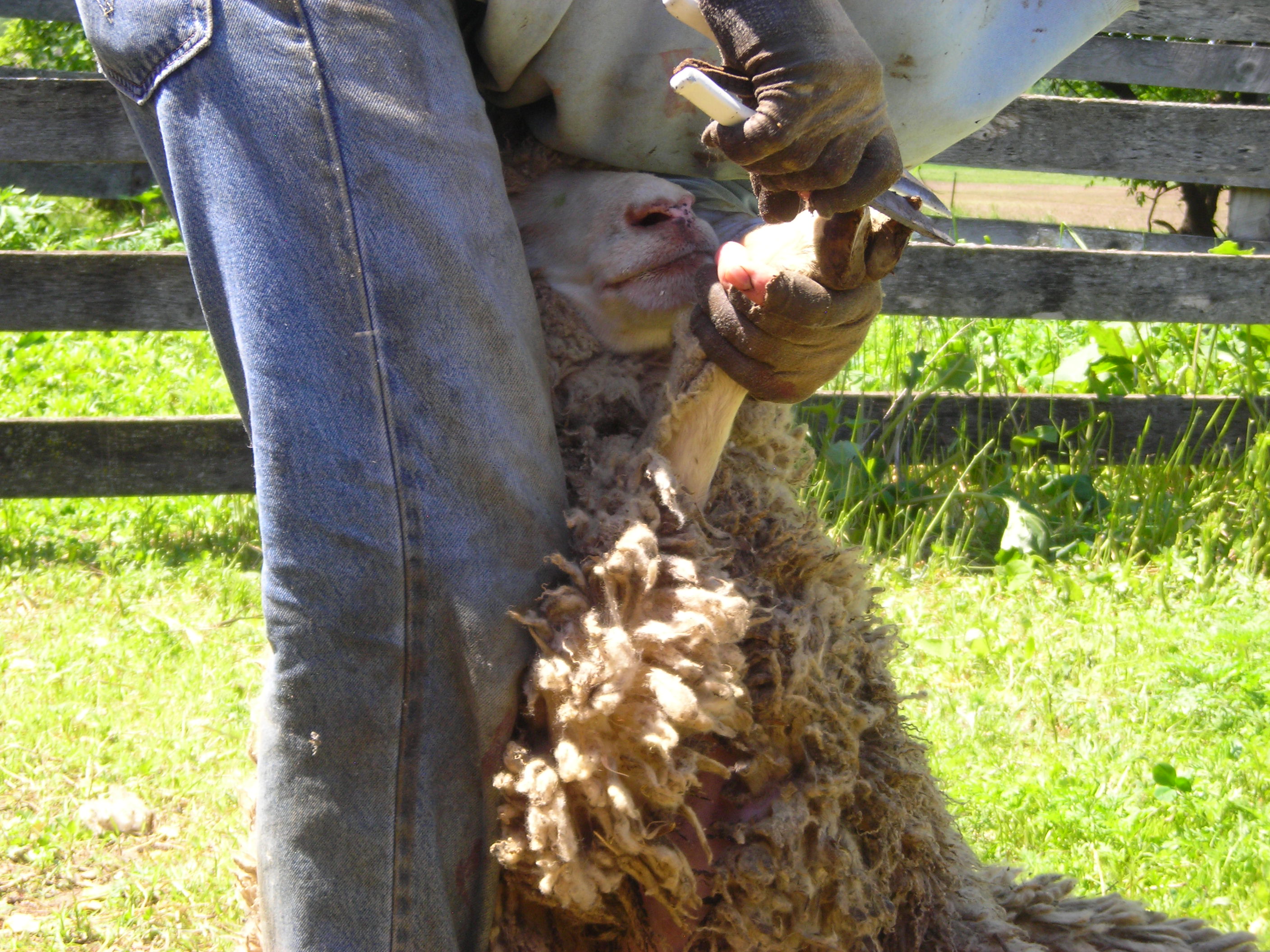
The sheep got sheared on Monday. Cella and Emmet recently acquired five wooly Dorset ewes, in addition to the two Icelandic ewes and their offspring, for us to have over at La Finca. The thick wool coats of the Dorsets are not helpful for enforcing electric fencing, and besides, it’s getting hot around here. So they called the shearer for a visit.
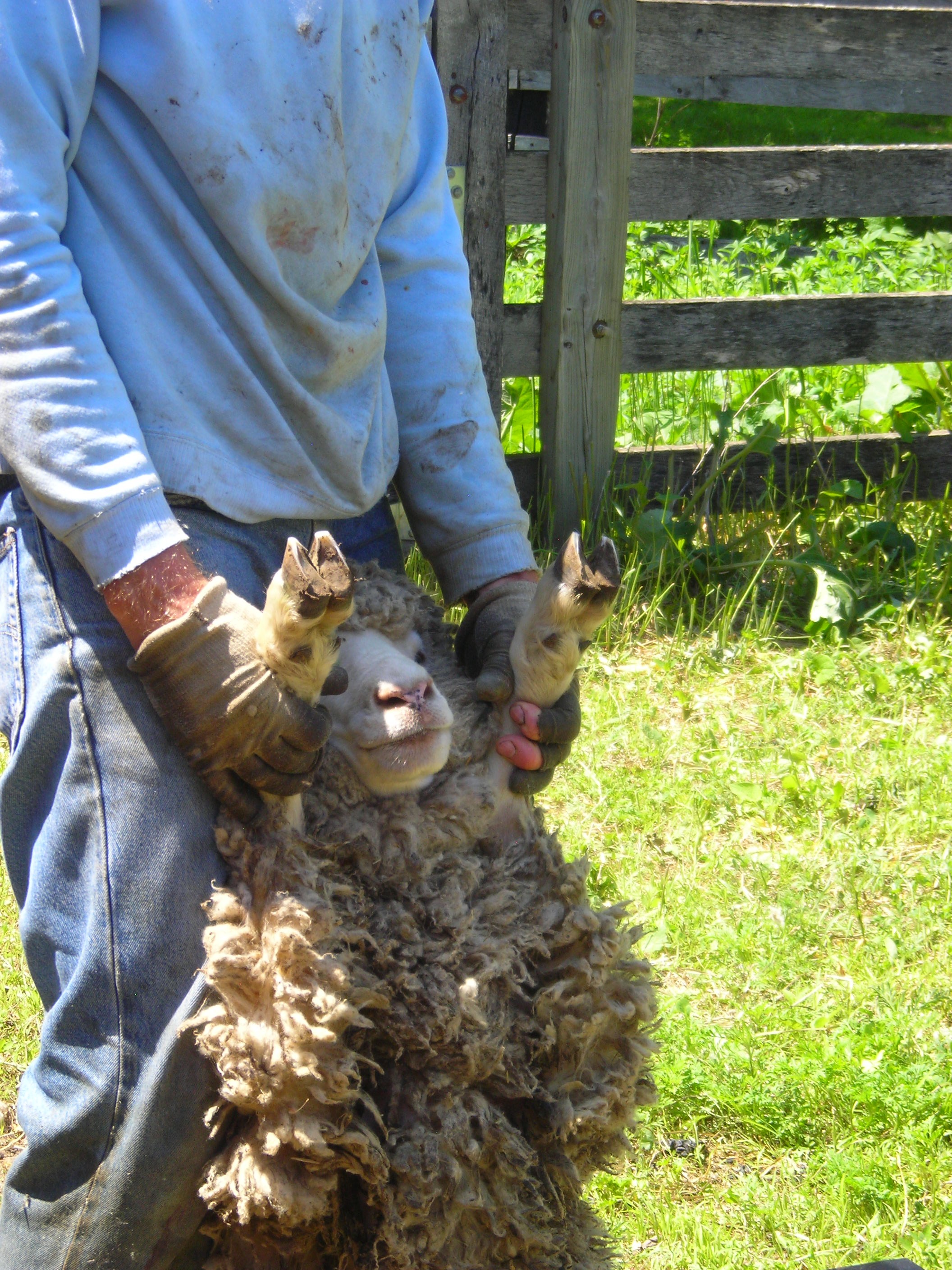
He clipped the ewes’ hooves as well.
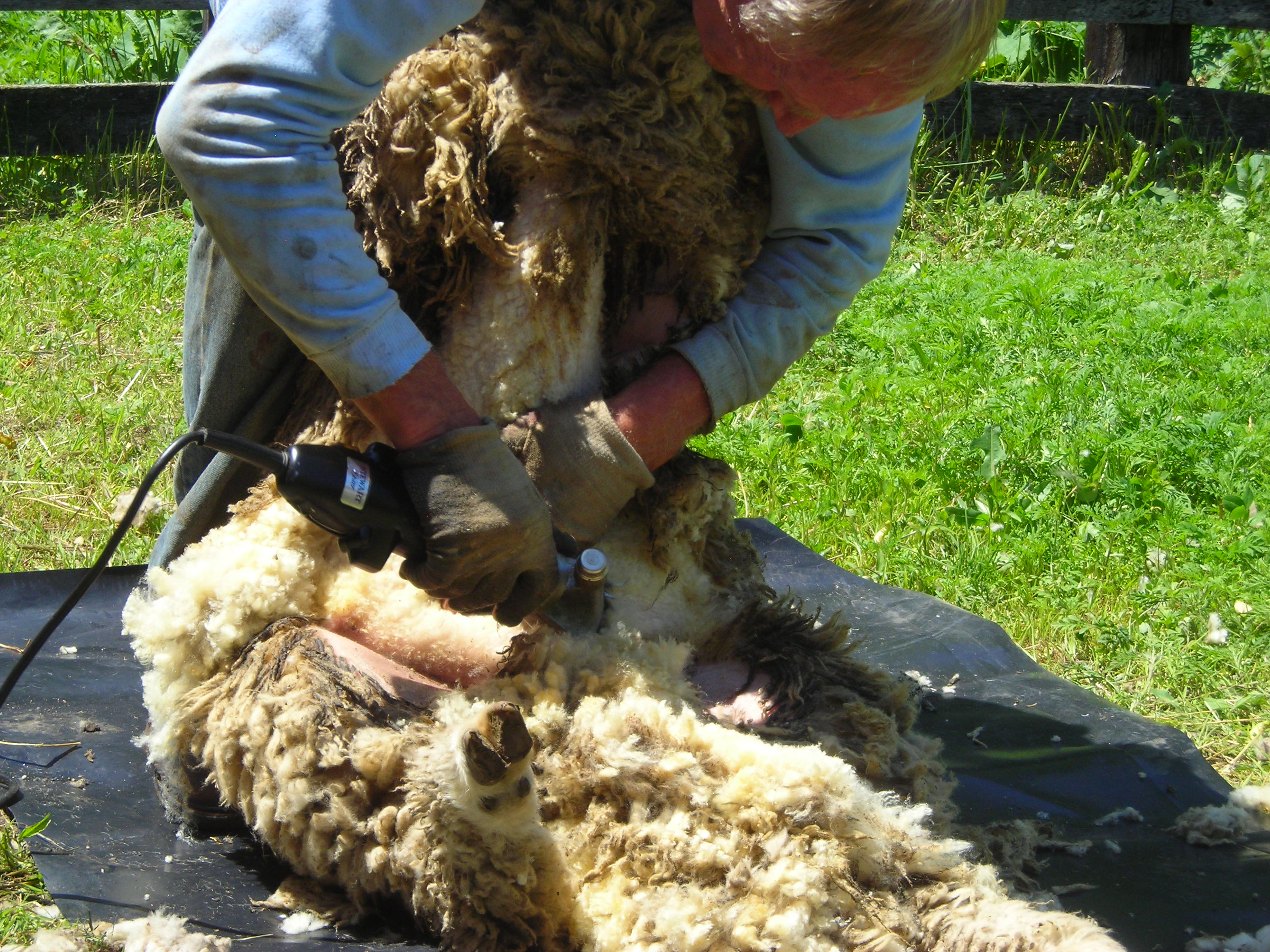

Hm. Not comfortable looking. Hang in there, little lady. You’re almost done.
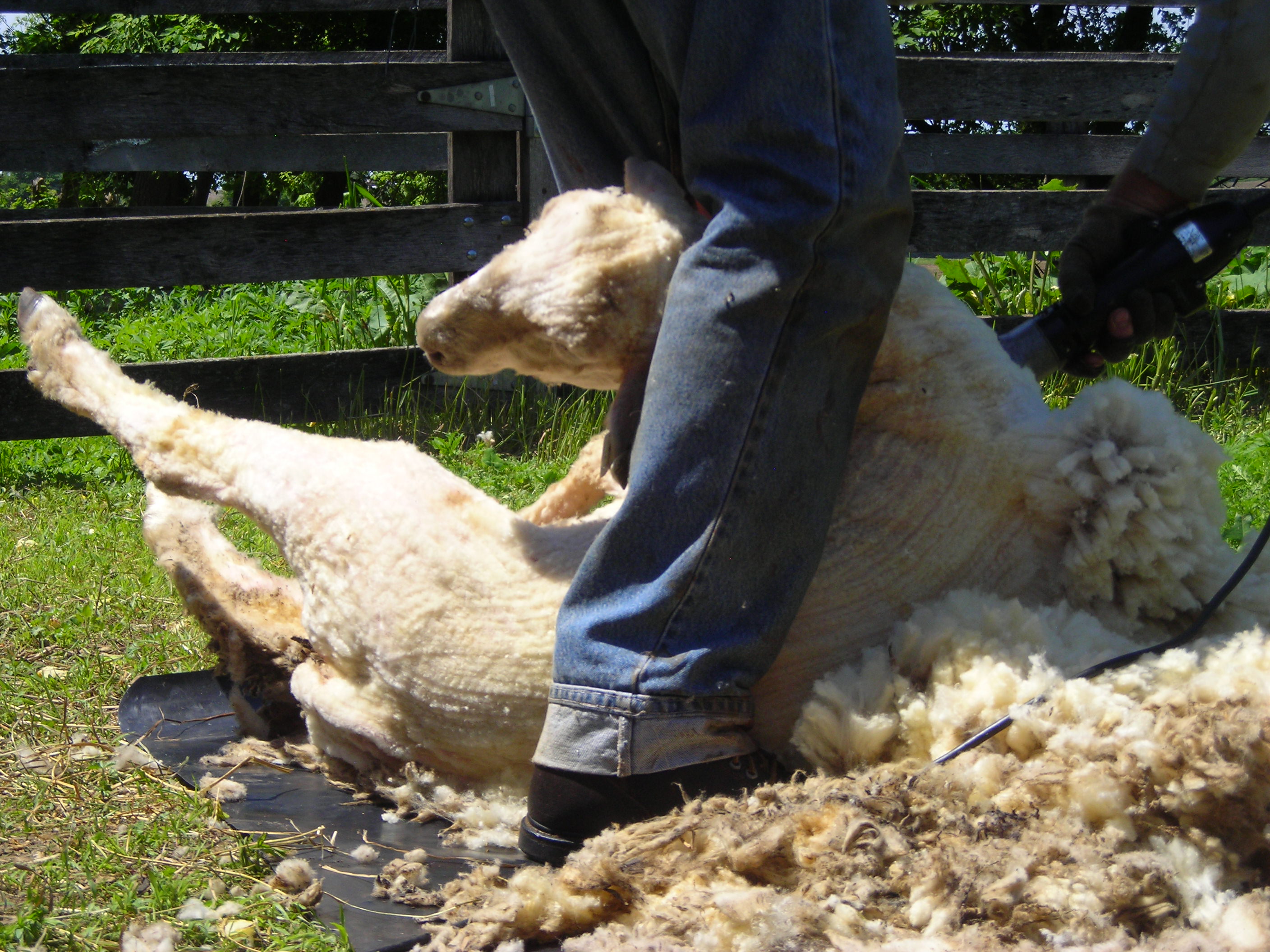

There! That must feel better.
 Kinds of Honey