Vermont’s Table and a scholarship opportunity
March 14, 2012 § 2 Comments
Hey all! I wanted to pass along this information because it sounds awfully fun. Sterling College in Craftsbury, VT hosts a program called Vermont’s Table, which they define as “an intensive academic program in sustainable food systems that includes practical culinary experience, frequent field trips, lessons in sustainable agriculture, and seminars in food writing and food entrepreneurism.” The program lasts for five weeks and is open to university students as well as adult learners.
The college is located a beautiful and food-focused region. Hardwick, VT of the book The Town That Food Saved is just down the road. GoodFoodJobs.com will be offering three scholarships for those who would like to attend. Application deadline is April 13, 2012. You can find more information by visiting the Good Food Jobs website: www.goodfoodjobs.com/scholarship/.
Robert Frost’s great-grandson’s cattle
February 13, 2012 § Leave a comment
Two roads diverge in the U.S. beef industry. Americans are buying more alternatively raised meat — organic, natural, grass-fed and the like – but most large-scale cattle producers in the Midwest are not cashing in on the trend.
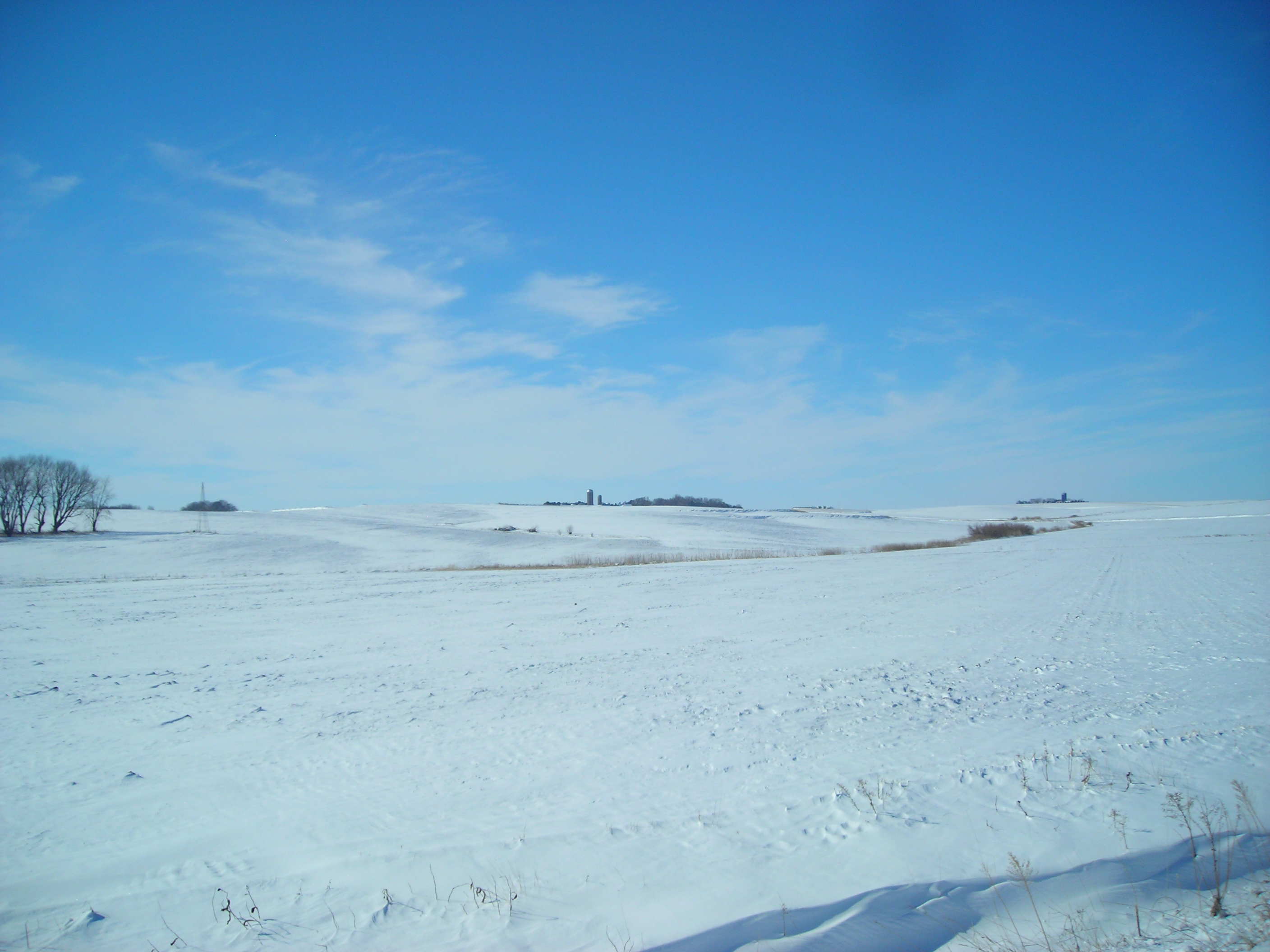
Prescott Frost, however, owns a 6,000-acre operation in the sand hills of northern Nebraska, and he’s betting on alternatively raised beef. Frost is a former stock broker from Connecticut who sold his family’s farmland in Illinois two years ago to come to Nebraska and raise certified organic grass-fed beef. He has about 600 cattle.
The link for the rest of the article is below. I caution you to ignore the comment about change needing to come from “educated people from the city.” I disagree. While I understand what he’s getting at, this is the kind of overgeneralization that smacks of inaccuracy and quite honestly, offends. Still, the rest of the piece is worth a read. Robert Frost wasn’t all that joyful a farmer, but farming appears to have stayed in the genes.
Taking the grass-fed road less traveled | Harvest Public Media.
Herding dog
February 13, 2012 § Leave a comment
Meet Muñeca.
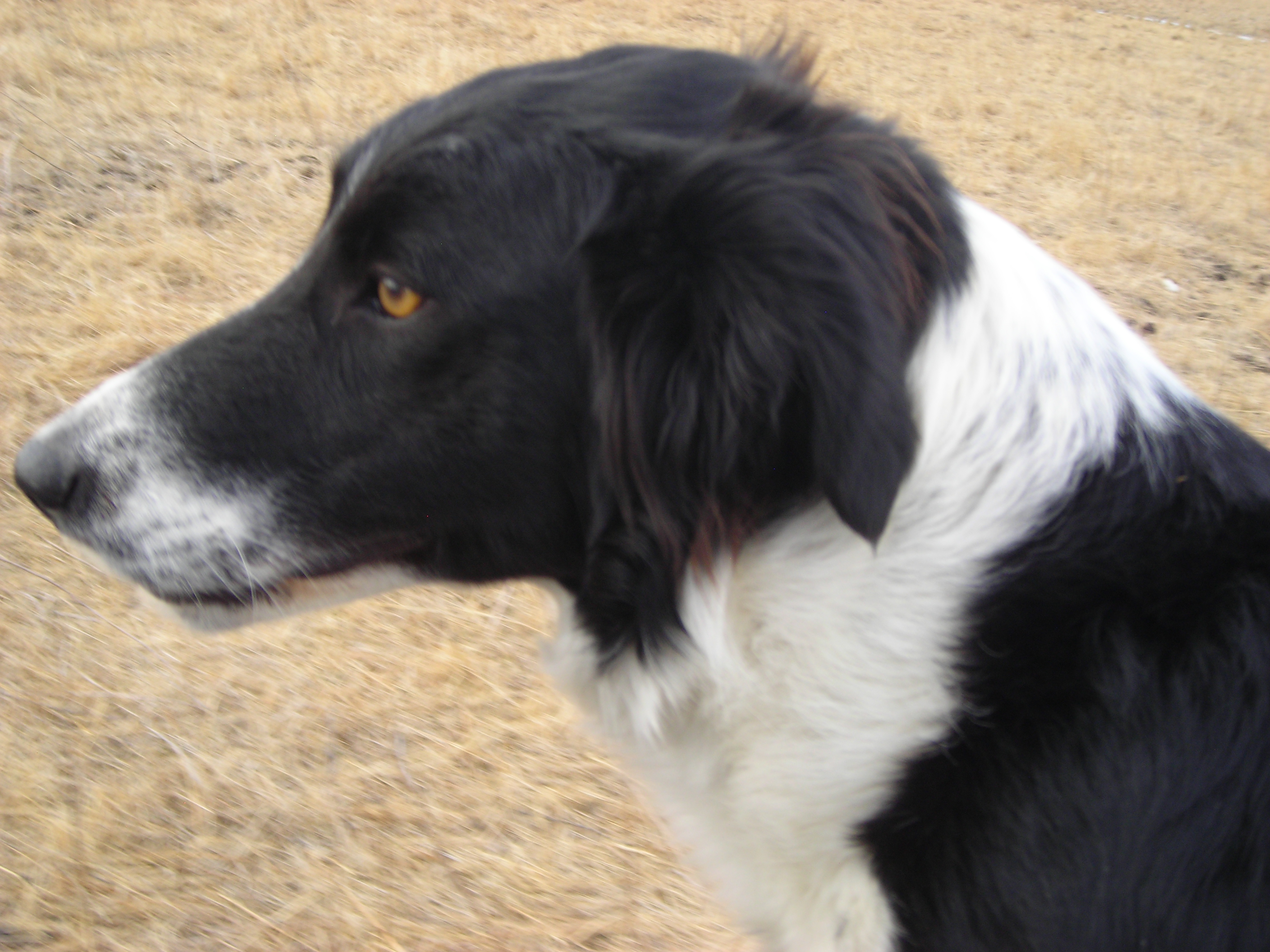
Muñeca is my friend Mae Rose’s canine companion at the ranch when she goes out to see to the sheep. The 8-month-old border collie could scarcely hold herself back as we approached the herd – though, good girl, she stayed with us on the four-wheeler until bid otherwise. This is the look she gets on her face: sheer determination. To her, sheep must be herded, and by golly, she is the one who should do it.
Want to see her at work?
Personal Traits of the Farmer
February 10, 2012 § Leave a comment
Success is most easily acquired in the line of work one loves best; and the first problem is to get into that character of work as soon as possible. Men cannot always advantageously estimate their own abilities, but so far as possible, one should engage in the occupation which he likes and for which he is best fitted by nature, experience and training. It is important for the young man to reach his decision as early as possible. While men are sometimes quite successful with no particular qualifications except strength and industry, this is no argument that they would not have succeeded even better with knowledge and the application of science in their occupation. A good executive may have fair success without doing manual work, but in farming the highest success is usually attained by those who combine executive ability with labor. Scientific knowledge, experience, business ability, manual and mechanical skill, and hard work make a combination that is successful.
-Frank D. Gardner, Traditional American Farming Techniques (originally published in 1916 as Successful Farming)
At the ranch
February 7, 2012 § 3 Comments

Two-thirds of the way through Nebraska I stopped to visit my friend Mae Rose. We know each other because we studied in the same program at Iowa State University. It is so fun to look around and see what all my former classmates are doing these days.
Mae Rose is currently interning as assistant ranch manager at the Peterson Ranch near Newport, NE. This area is part of the unique geographic region known as the Sandhills, where mixed-grass prairie grows on stabilized sand dunes. Nearly all of the plant species here are native, as plants must be well-adapted to survive such a landscape and climate. This is grazing country, and you’ll find Scottish Highland cattle and Dorper sheep on this particular ranch.
My friend let me tag along with her for a few days to see what’s happening on her stretch of the plains.
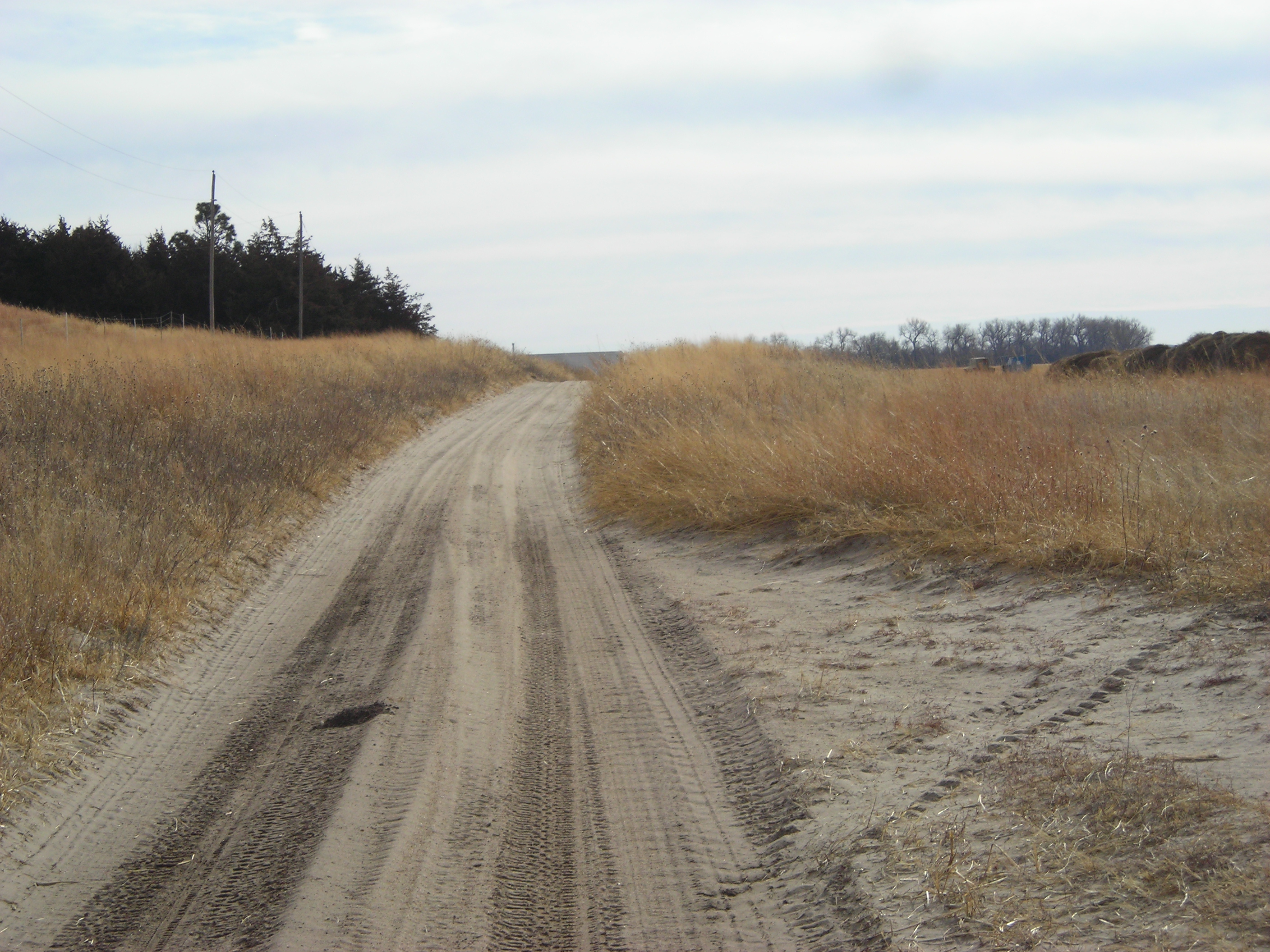


We explored.

She fed and worked cattle.

We discussed animals, plants, agriculture, and ecosystems.
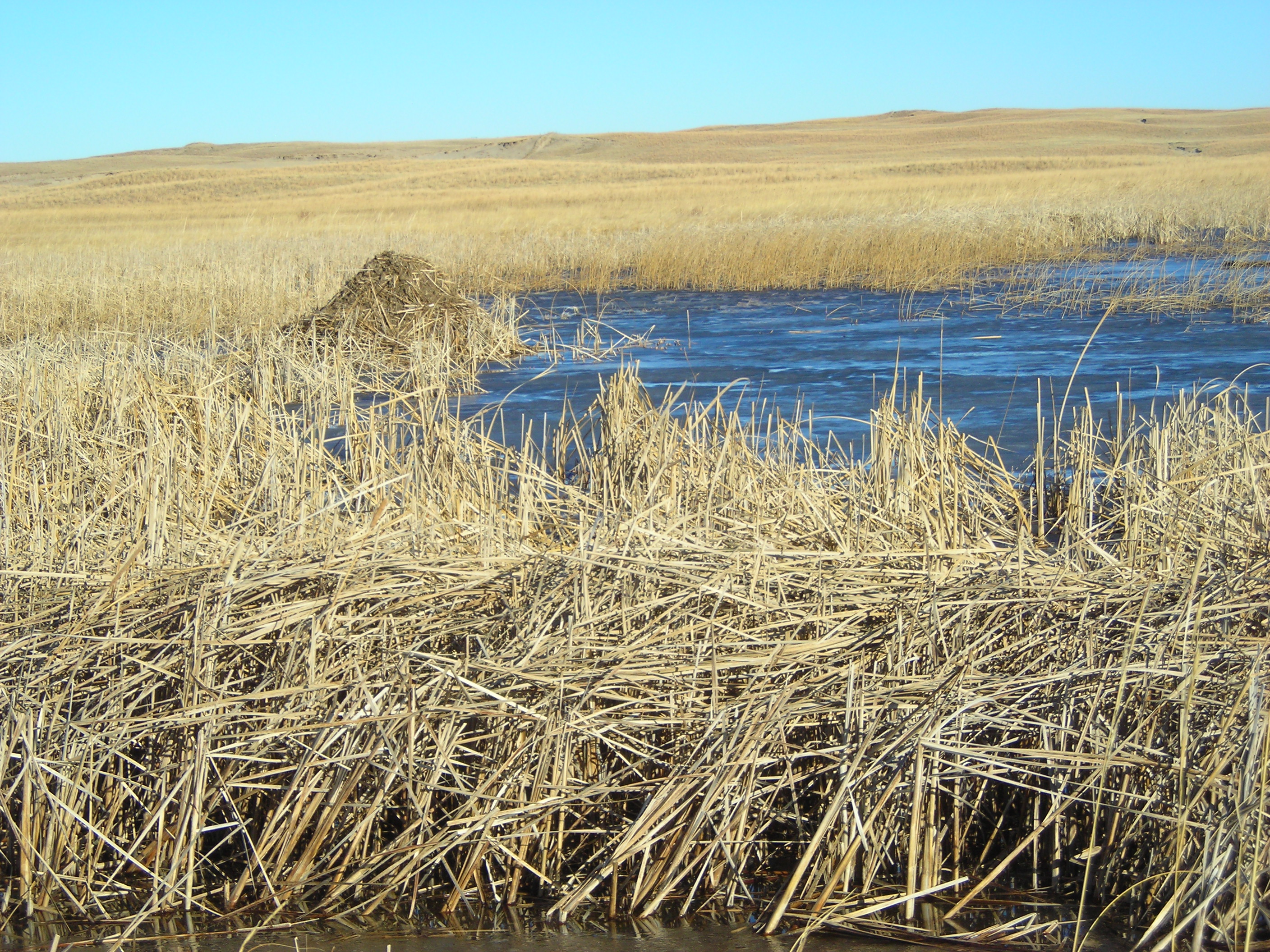
And drove tractors down roads, over sand, through many grasses.
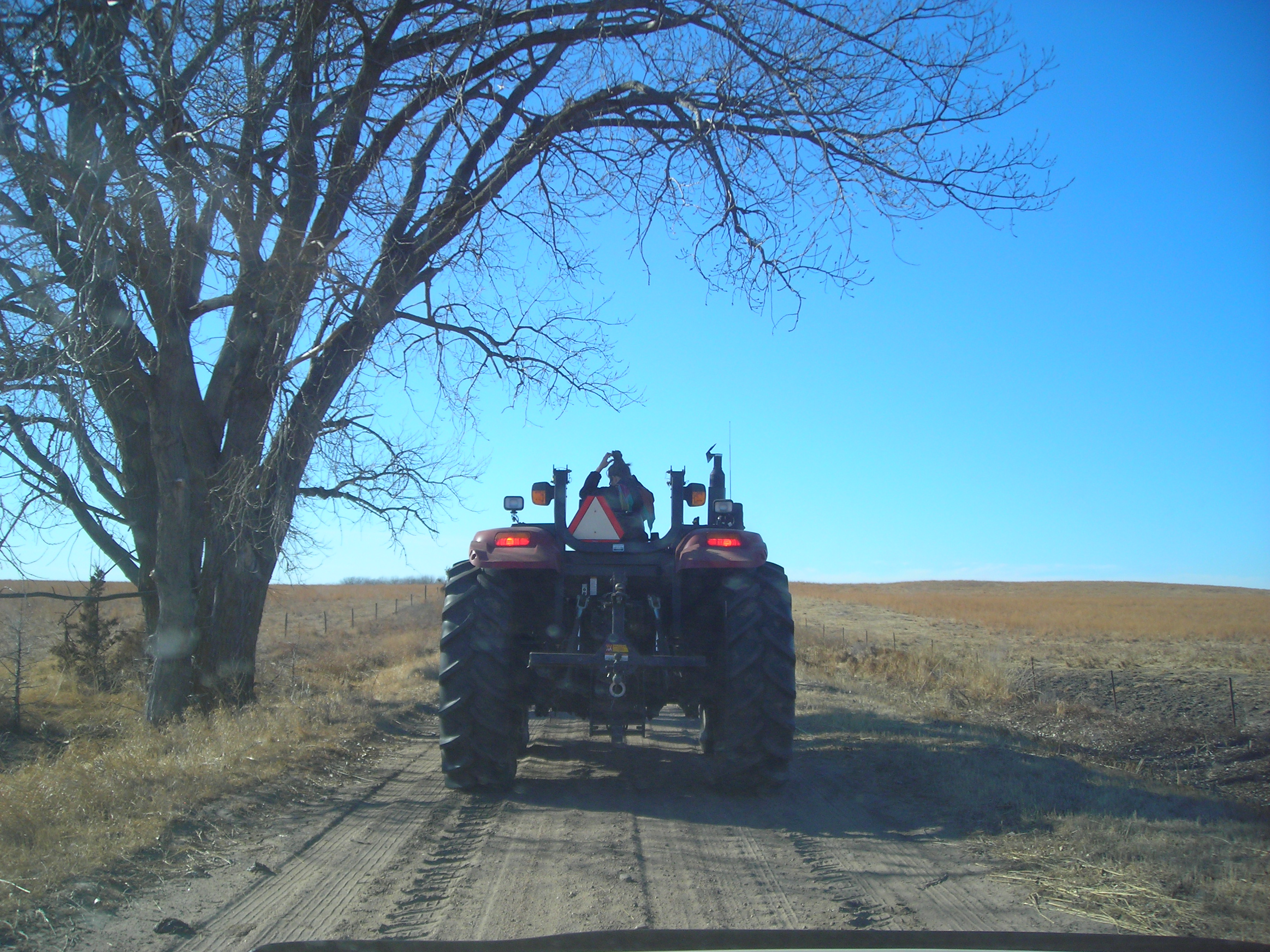
There is more to tell about what’s going on here. Intricate things on a seemingly simple landscape. But that will be shared, or linked to, another time. Stay tuned!
Permaculture is . . .
January 27, 2012 § Leave a comment
Because yesterday’s film made me curious, I snooped around. Here’s what I found:
Permaculture is the conscious design and maintenance of agriculturally productive systems which have the diversity, stability, and resilience of natural ecosystems. It is the harmonious integration of the landscape with people providing their food, energy, shelter and other material and non-material needs in a sustainable way. -Graham Bell, The Permaculture Way
A few resources:
Gaia’s Garden: A Guide to Home-Scale Permaculture
Permaculture & Ecological Design Program (video below)
If you do a quick google search you’ll find many permaculture design courses and certificate programs out there. Ooh, I’m having that hungry-for-knowledge feeling, aren’t you?
Have any of you had experience with permaculture? Has anyone taken a course, gotten a certificate, or researched this approach to agriculture and living? I’d be eager to hear from you!
BBC’s A Farm for the Future
January 26, 2012 § 3 Comments
I’ve found something just right to watch while knitting! This documentary follows a woman’s return to her family farm, and her assessment of how the farm might belong, change, and contribute to the modern world and its complicated food system. It might be a bit dated, as it was produced in 2009, but I’m interested to see where it goes, nevertheless.
And I just want to stare at all the scenes of the British countryside.
I confess that I often wax pastoral. I can’t help it, even though I’m familiar with the sore muscles and sunburns and sweat that come with farming. But pastoralism can be dangerous if too rose-tinged. Rebecca Hosking, narrator/filmmaker/farmer prepares viewers early on for the reality that this farm business involves hard work, even “drudgery” – without a very big paycheck.
She says, “Dad often describes farmers as glorified lavatory attendents.” Smile. Sigh. This seems extreme. But I suppose I did muck a wheelbarrow’s worth of manure today.
Still. Something made her come back.
Here is Segment 1, thanks to YouTube:
You can watch the full documentary for free, here.
Human impact
January 23, 2012 § Leave a comment

Across the street they have been pushing the ground around into all sorts of piles and slopes for the past month or so. Big machines with their big noises. Now a crane stands tall against Colorado’s almost-always-blue sky. Apparently a church is going to be built there, though I won’t live here by the time it sees completion.
There is something in me that rebels against seeing landscapes so restructured. It feels innately wrong to push dirt around to make the land roll, or level, where it hadn’t been previously. Human impact. That’s what they call it, and though I know over the stretch of years nature has seen her share of change – I grew up where the Wisconsin Glacier moved, after all – still I am hesitant about the changes humankind likes to make.
And yet, I want to be a farmer. Farming, which is one of our most fundamental ways of disrupting nature, of putting our human desires and motives and needs into a landscape.
Am I a walking contradiction?
The answer, actually, is yes – sometimes – but perhaps not as much, on this issue, as I might first seem.
Here is the thing. There is farming with human profit (almost? always?) solely in mind. And then there is farming with ecology (and, particularly, soil health) in mind. While profit should remain important, in the kind of farming I want to do, it won’t be so important as to allow for ecological compromise. Profit must come within practices that respect and are guided by nature.

There is a nonprofit in California, just south of Santa Cruz, that I discovered in my early learning-about-sustainable-agriculture years. Wild Farm Alliance is dedicated to promoting farming that embraces the wild, or what is called “wild farming.” The organization operates on the idea that farming and wilderness need not be mutually exclusive – though it seems, at first glance, that they can’t help but be, and the recurring conflicts between farmers/ranchers and environmentalists only further such a conclusion.
But why shouldn’t they come alongside each other? Certainly a farm isn’t going to be an untouched wilderness, but neither need a farm be devoid of everything other than fencerow-to-fencerow crops and directly profitable commodities. I find it a beautiful challenge to consider how to integrate what nature wants to do within my plot of land and my region’s watershed, and my goals as a farmer.
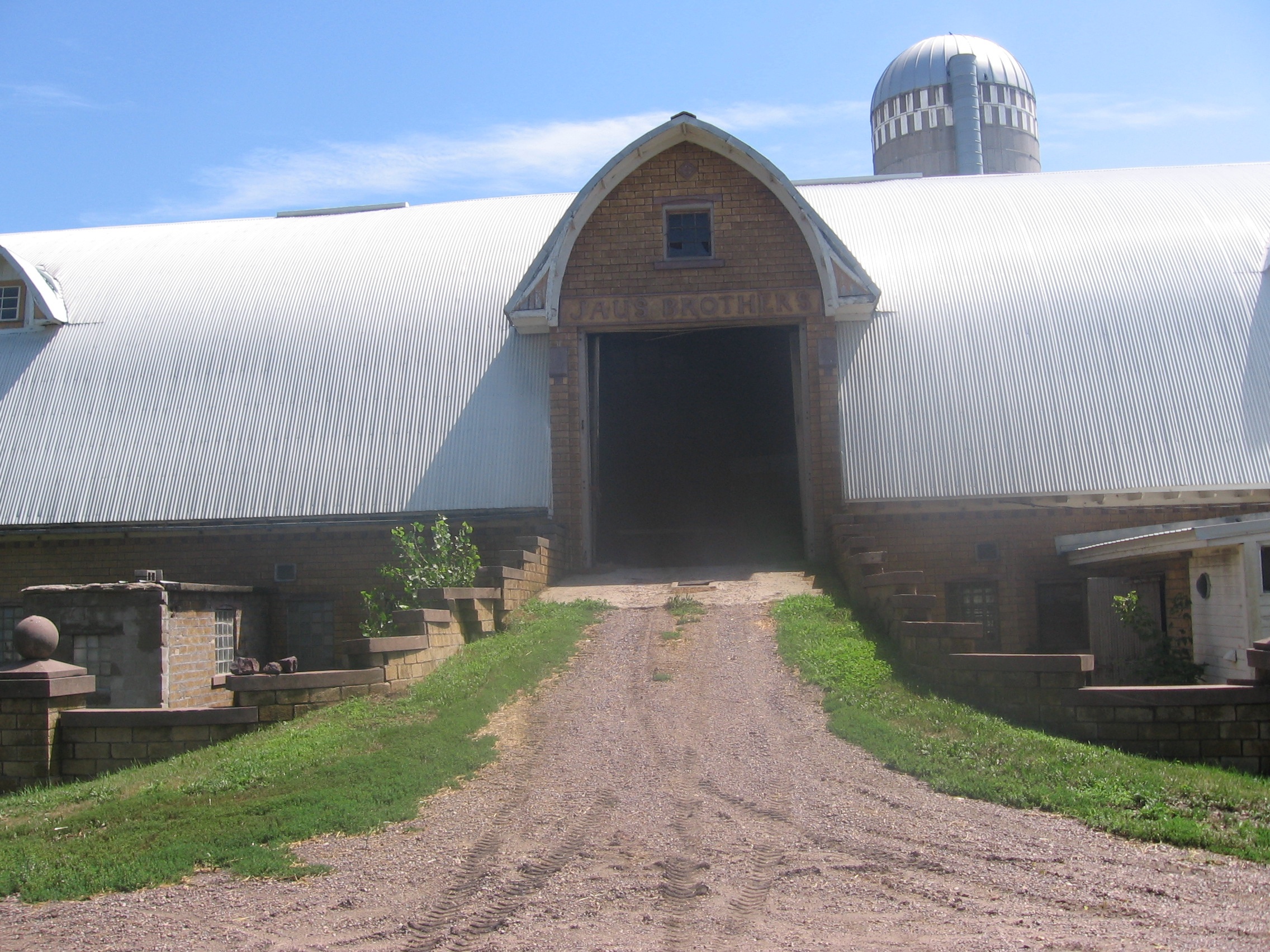
Several years ago I had the fun of spending a week on Martin and Loretta Jaus’ Holstein dairy farm in Gibbon, MN. Martin and Loretta are former wildlife biologists who’ve got a good grasp this wild farming concept. They have bluebird boxes on fence posts across their property. They have a an area set aside for a pond and wetlands. They have wild and native grasses in their pastures and ditches. Wildflowers turn up their faces and trees line the long lane. This farm is not only profitable, but diverse and alive. A pleasure to see, and wander through. It is not wilderness, but it most definitely has elements of the wild.

And do you know? Some of these things that seem as though they detract from profit – such as land set aside as opposed to being planted with corn and soybeans, thus reducing bushels harvested – actually benefit the farm. By providing natural habitat for beneficial insects, farmers can better keep pests under control without the use of strong pesticides. When a field contains a healthy mix of grasses and forbs, most ideally native varieties, the soil becomes healthier – better able to hold water and nutrients and maintain aggregate structure, thus avoiding erosion issues. By rotating areas that will be allowed to run “wild” for a few years, the farmer grants that land rest and time to revive itself. Topsoil is rebuilt rather than lost. These are not always immediate, $$$-in-the-bank profits, but they offer long-term benefits that contribute to a more sustainable farm and a more sustainable world.
And I must add – with my own personal penchant for beauty – that farms incorporating wild nature make for scenic countrysides. This is a great happiness on its own, but if we want to get into monetary matters, an aesthetically pleasing stretch of land has the potential to increase property values and/or tourism in the area. Which makes for a better economy. Right?
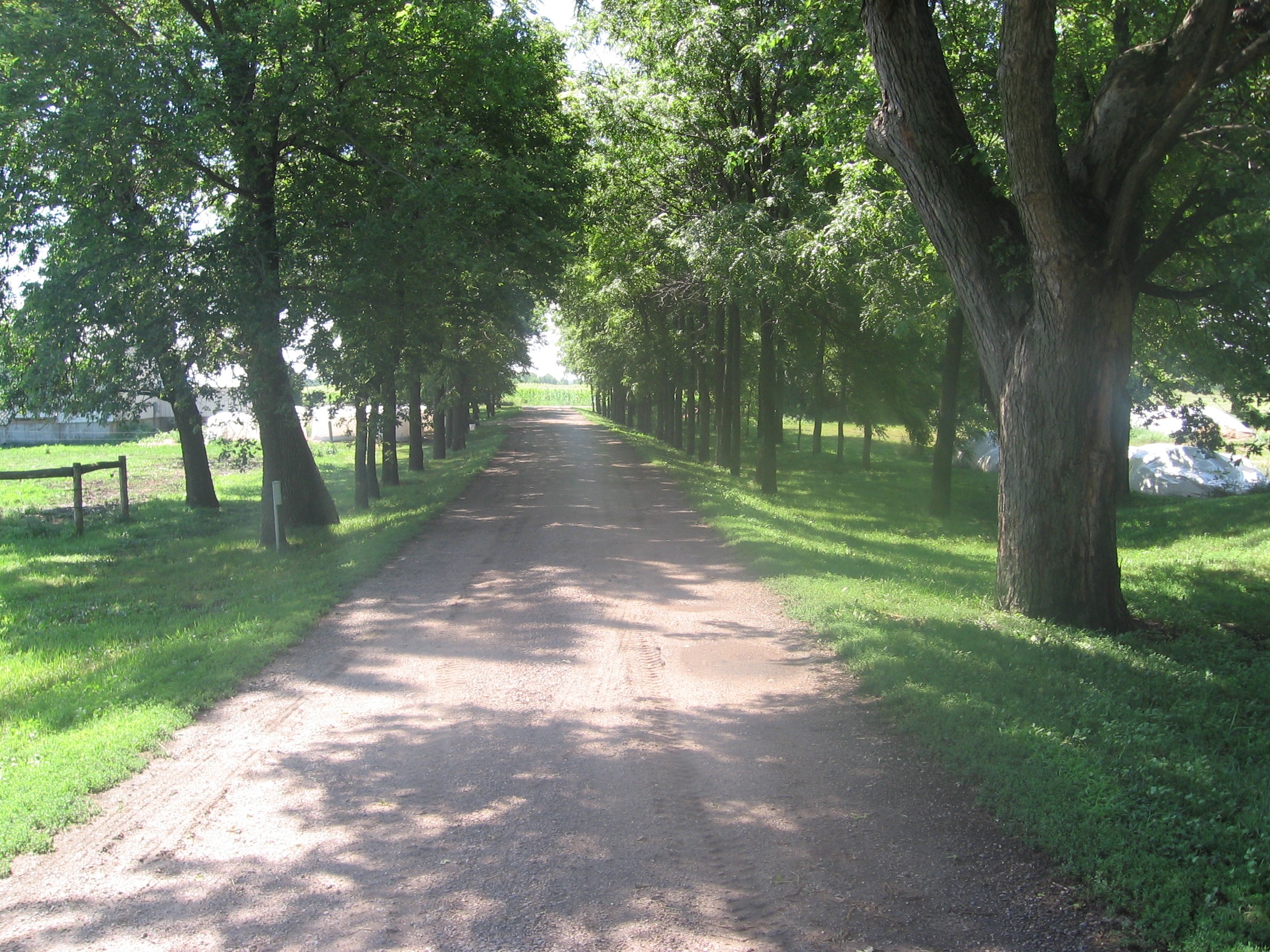
So. I suppose there will be, still, some land getting pushed around on my farm. But I hope it is done with a great respect for what nature has already made happen, an awareness of my own small importance, and an openness to look around at what I might see, and learn – and how I might adjust my actions accordingly.
This isn’t a post meant to judge. We all do what we have to do in certain situations, for a job or a family or some other reason. We operate on what we know, have been taught, and believe. And I admit I haven’t a clue what it means to be in landscaping or construction, or to have to actually support my family based on the way I run my farm (yet). I only know how I react to certain things, and I want to know why, and I want to see what I might do instead of, or in response to, these things – and how it all turns out.
 Kinds of Honey