Sandpiper
February 9, 2012 § 6 Comments
When I was maybe thirteen, we were reading a collection of short stories as a family (we were great readers, together and on our own). I don’t remember the name of the book, but one story told of a woman who had gone to the beach to deal with her grief. She befriends a little girl at the edge of the water, a child with a tendency to find the happy things of the world. The girl has leukemia, or something like that, though the woman doesn’t know this until later on. If I’m remembering correctly, the child dies. But the girl loved sandpipers, and left the woman with a drawing of one and a bidding to be joyful (again, if memory serves me . . . has anyone else read this tale?). The title of the story I do remember: “A Sandpiper to Bring You Joy.” This phrase comes to mind so often for me, at random times, and always when I come across anything to do with sandpipers. I love it, and I don’t know why, except perhaps because of how it involves such a small, natural thing offered for the uplifting of another’s spirit.

Photo Credit: US Fish & Wildlife Service
So. Here you go. A sandpiper to bring you joy.
At the ranch
February 7, 2012 § 3 Comments

Two-thirds of the way through Nebraska I stopped to visit my friend Mae Rose. We know each other because we studied in the same program at Iowa State University. It is so fun to look around and see what all my former classmates are doing these days.
Mae Rose is currently interning as assistant ranch manager at the Peterson Ranch near Newport, NE. This area is part of the unique geographic region known as the Sandhills, where mixed-grass prairie grows on stabilized sand dunes. Nearly all of the plant species here are native, as plants must be well-adapted to survive such a landscape and climate. This is grazing country, and you’ll find Scottish Highland cattle and Dorper sheep on this particular ranch.
My friend let me tag along with her for a few days to see what’s happening on her stretch of the plains.
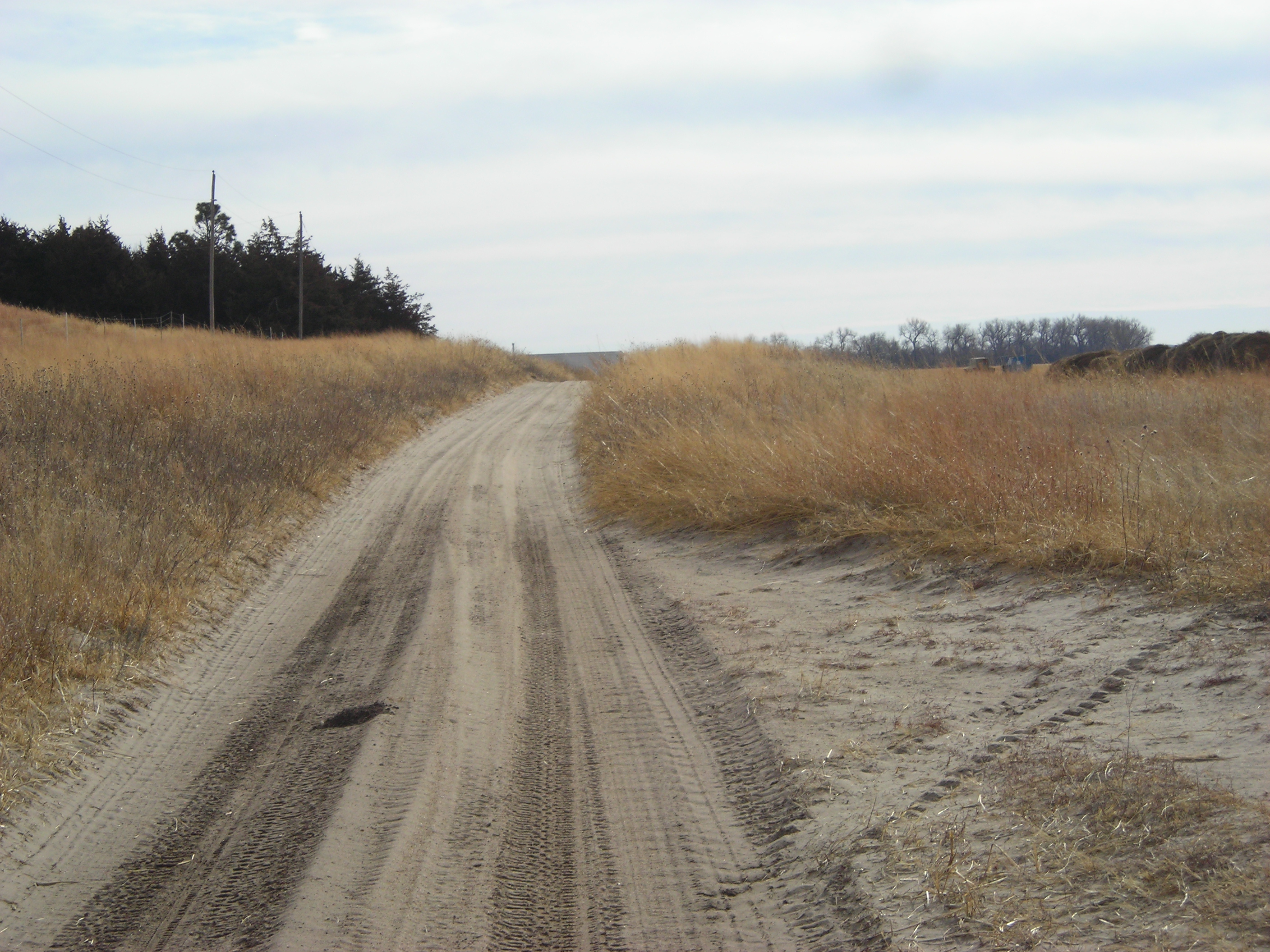


We explored.

She fed and worked cattle.

We discussed animals, plants, agriculture, and ecosystems.
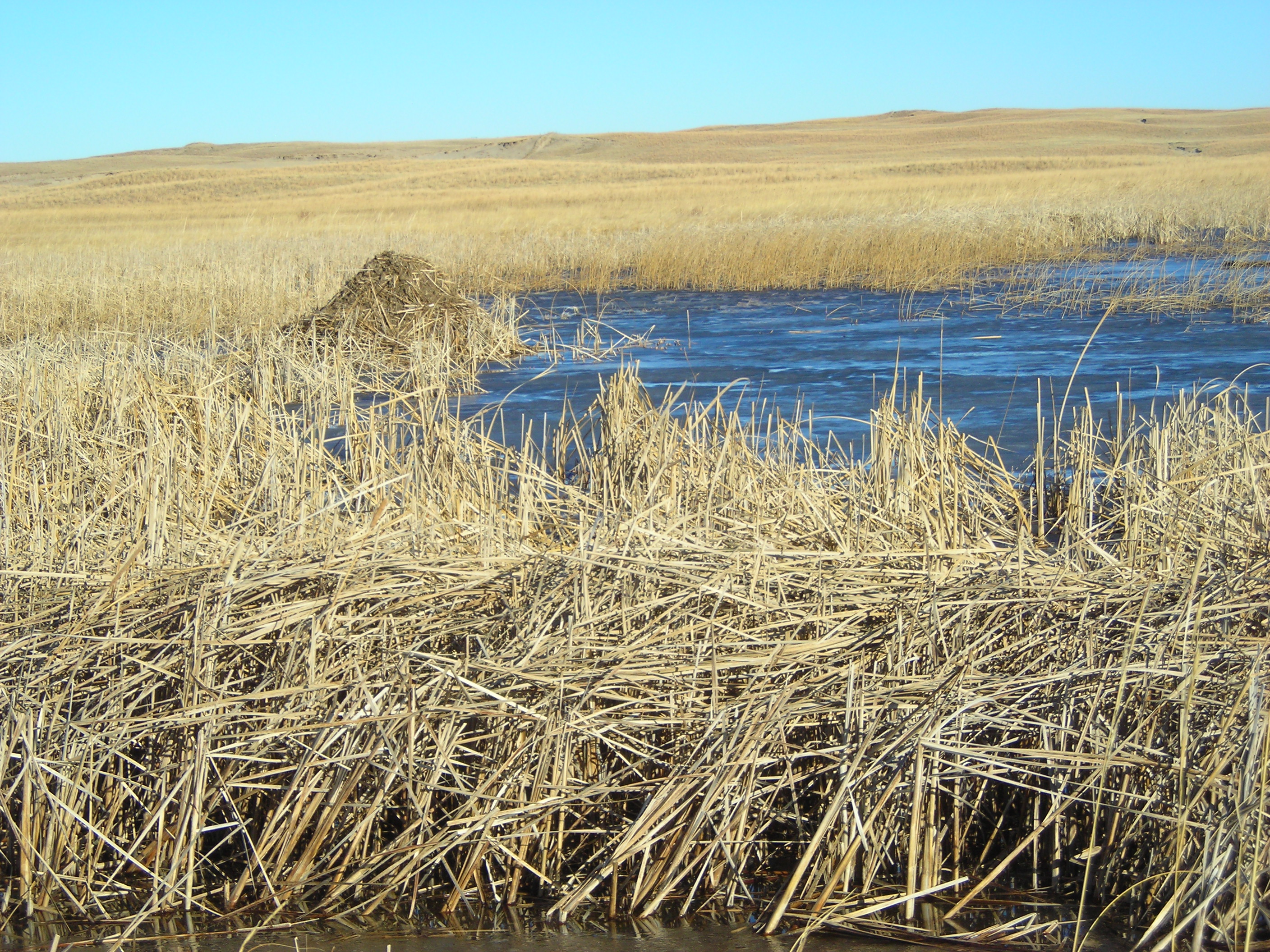
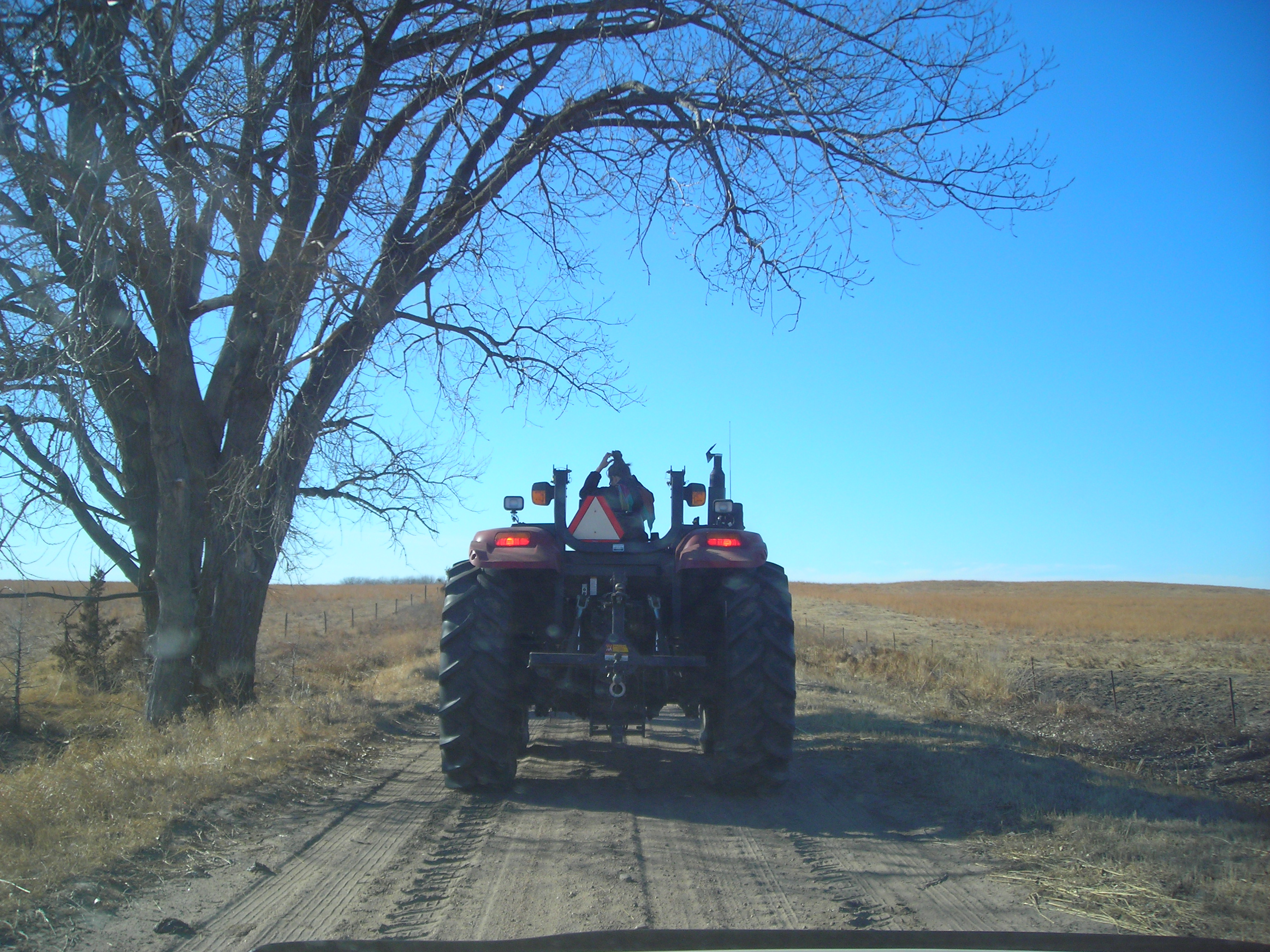
And drove tractors down roads, over sand, through many grasses.
There is more to tell about what’s going on here. Intricate things on a seemingly simple landscape. But that will be shared, or linked to, another time. Stay tuned!
Travelers
February 6, 2012 § 2 Comments

Photo Credit: US National Oceanic and Atmospheric Administration
Half-packed
January 28, 2012 § 1 Comment
I have two and a half days left in Colorado. I’m stopping to visit a friend in Nebraska. But don’t ask me about much beyond that. When I see what’s around the next bend, I’ll fill you in!
For now, I am sitting in an apartment filled with boxes. Everything is half-packed. Unsettled, once again. This is an adventure, but adventure tends to have its discomforts and unease. In this moment I take comfort in the sound of the dryer (which I will soon, hopefully, be selling) and the even breathing of the dog lying on the floor next to my computer.
I am grateful for rhythms. Rhythms have a reassuring sameness. And yet even rhythms can be interrupted, reset, altered. (The dog must breathe faster when she is running, which is an important thing.) And you know? That might make for a more marvelous world. It might produce more wonderful music.

Winter exuberance
January 27, 2012 § Leave a comment
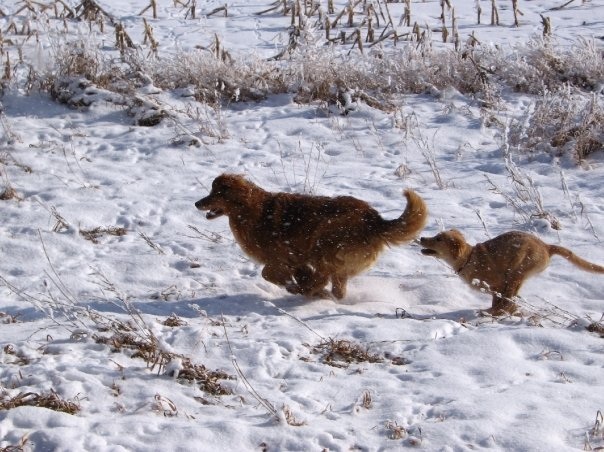
2008: Little T with Elsie, our very beloved family dog. Only a few more winters would Elsie-girl run like this! (Though my heart believes she bounds through heaven now.) And Tass, well, she was just discovering the joy of running. Particularly after a good old dog who meant to leave her in her wake.
Wings
January 27, 2012 § Leave a comment
If you were born without wings, do nothing to prevent them from growing. – Coco Chanel
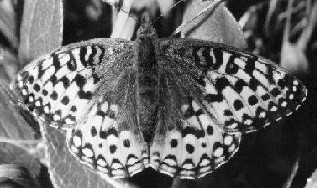
Photo Credit: US Fish & Wildlife Service
BBC’s A Farm for the Future
January 26, 2012 § 3 Comments
I’ve found something just right to watch while knitting! This documentary follows a woman’s return to her family farm, and her assessment of how the farm might belong, change, and contribute to the modern world and its complicated food system. It might be a bit dated, as it was produced in 2009, but I’m interested to see where it goes, nevertheless.
And I just want to stare at all the scenes of the British countryside.
I confess that I often wax pastoral. I can’t help it, even though I’m familiar with the sore muscles and sunburns and sweat that come with farming. But pastoralism can be dangerous if too rose-tinged. Rebecca Hosking, narrator/filmmaker/farmer prepares viewers early on for the reality that this farm business involves hard work, even “drudgery” – without a very big paycheck.
She says, “Dad often describes farmers as glorified lavatory attendents.” Smile. Sigh. This seems extreme. But I suppose I did muck a wheelbarrow’s worth of manure today.
Still. Something made her come back.
Here is Segment 1, thanks to YouTube:
You can watch the full documentary for free, here.
Hike the river
January 23, 2012 § Leave a comment
So we used to do. These walks became welcome breaks from studying and working, in those graduate-school Iowa winters. Miss T and my sister and brother-in-law and I went out where the high banks and the thick ice would invite us in, and on.

We followed the tracks of cross-country skiers. The paw prints of other dogs, the boot prints of other hikers. We put our own prints in new snows.

Climbed fallen trees and ducked beneath their branches. Saw our breath turn to fog.
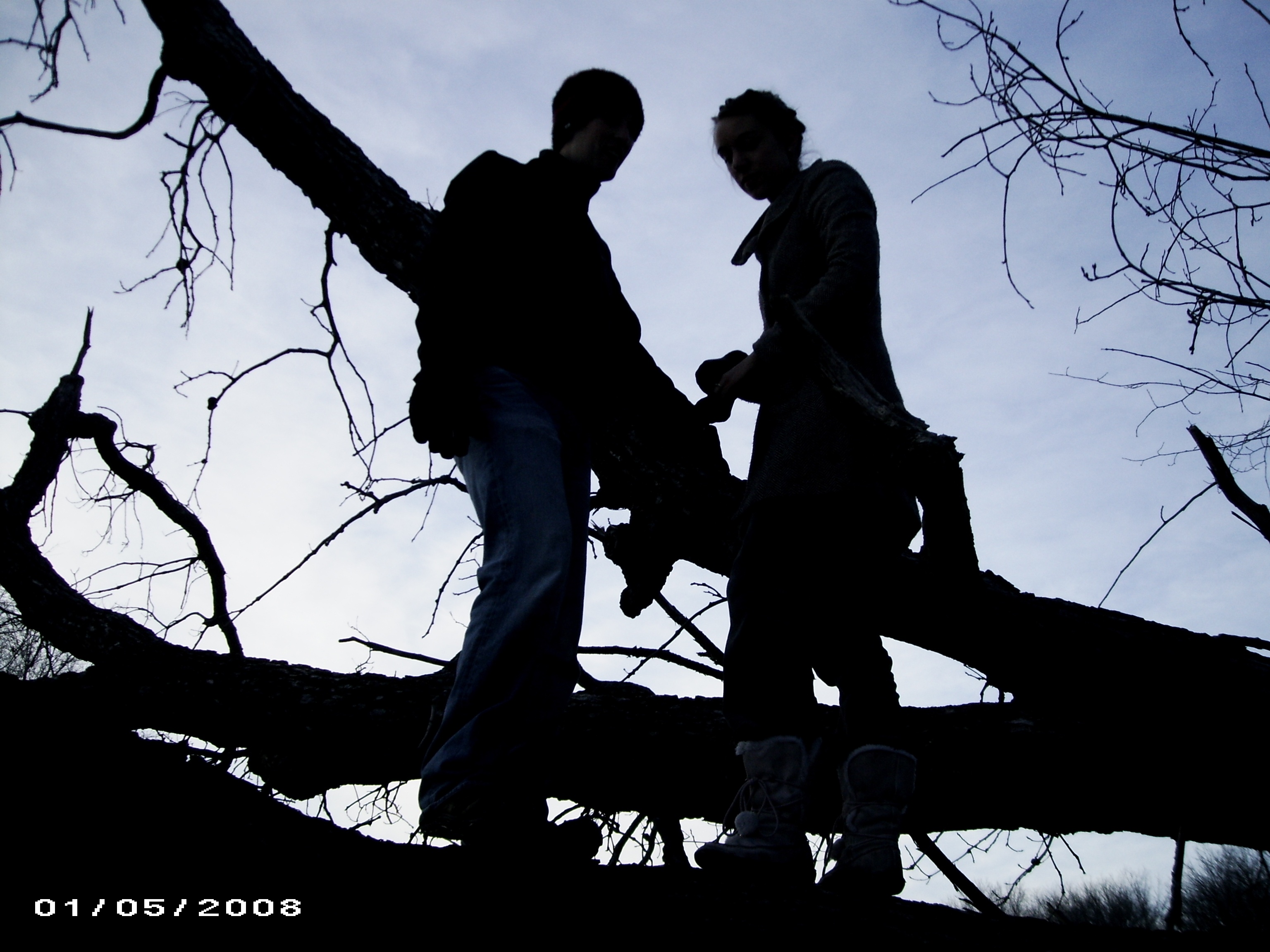
We loved winter. How it opened new terrain. How it made the river a favorite hiking trail.
Human impact
January 23, 2012 § Leave a comment

Across the street they have been pushing the ground around into all sorts of piles and slopes for the past month or so. Big machines with their big noises. Now a crane stands tall against Colorado’s almost-always-blue sky. Apparently a church is going to be built there, though I won’t live here by the time it sees completion.
There is something in me that rebels against seeing landscapes so restructured. It feels innately wrong to push dirt around to make the land roll, or level, where it hadn’t been previously. Human impact. That’s what they call it, and though I know over the stretch of years nature has seen her share of change – I grew up where the Wisconsin Glacier moved, after all – still I am hesitant about the changes humankind likes to make.
And yet, I want to be a farmer. Farming, which is one of our most fundamental ways of disrupting nature, of putting our human desires and motives and needs into a landscape.
Am I a walking contradiction?
The answer, actually, is yes – sometimes – but perhaps not as much, on this issue, as I might first seem.
Here is the thing. There is farming with human profit (almost? always?) solely in mind. And then there is farming with ecology (and, particularly, soil health) in mind. While profit should remain important, in the kind of farming I want to do, it won’t be so important as to allow for ecological compromise. Profit must come within practices that respect and are guided by nature.

There is a nonprofit in California, just south of Santa Cruz, that I discovered in my early learning-about-sustainable-agriculture years. Wild Farm Alliance is dedicated to promoting farming that embraces the wild, or what is called “wild farming.” The organization operates on the idea that farming and wilderness need not be mutually exclusive – though it seems, at first glance, that they can’t help but be, and the recurring conflicts between farmers/ranchers and environmentalists only further such a conclusion.
But why shouldn’t they come alongside each other? Certainly a farm isn’t going to be an untouched wilderness, but neither need a farm be devoid of everything other than fencerow-to-fencerow crops and directly profitable commodities. I find it a beautiful challenge to consider how to integrate what nature wants to do within my plot of land and my region’s watershed, and my goals as a farmer.
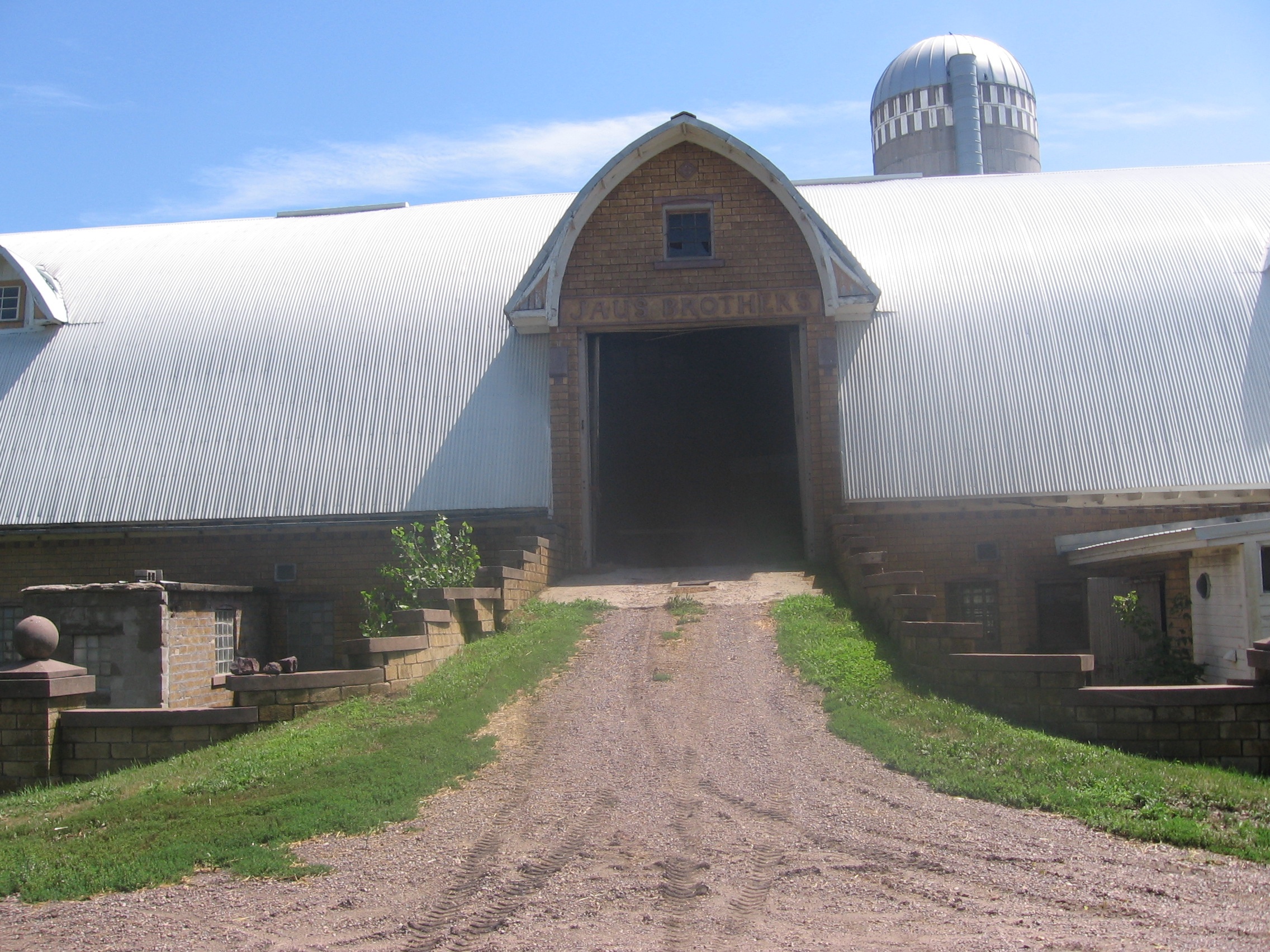
Several years ago I had the fun of spending a week on Martin and Loretta Jaus’ Holstein dairy farm in Gibbon, MN. Martin and Loretta are former wildlife biologists who’ve got a good grasp this wild farming concept. They have bluebird boxes on fence posts across their property. They have a an area set aside for a pond and wetlands. They have wild and native grasses in their pastures and ditches. Wildflowers turn up their faces and trees line the long lane. This farm is not only profitable, but diverse and alive. A pleasure to see, and wander through. It is not wilderness, but it most definitely has elements of the wild.

And do you know? Some of these things that seem as though they detract from profit – such as land set aside as opposed to being planted with corn and soybeans, thus reducing bushels harvested – actually benefit the farm. By providing natural habitat for beneficial insects, farmers can better keep pests under control without the use of strong pesticides. When a field contains a healthy mix of grasses and forbs, most ideally native varieties, the soil becomes healthier – better able to hold water and nutrients and maintain aggregate structure, thus avoiding erosion issues. By rotating areas that will be allowed to run “wild” for a few years, the farmer grants that land rest and time to revive itself. Topsoil is rebuilt rather than lost. These are not always immediate, $$$-in-the-bank profits, but they offer long-term benefits that contribute to a more sustainable farm and a more sustainable world.
And I must add – with my own personal penchant for beauty – that farms incorporating wild nature make for scenic countrysides. This is a great happiness on its own, but if we want to get into monetary matters, an aesthetically pleasing stretch of land has the potential to increase property values and/or tourism in the area. Which makes for a better economy. Right?
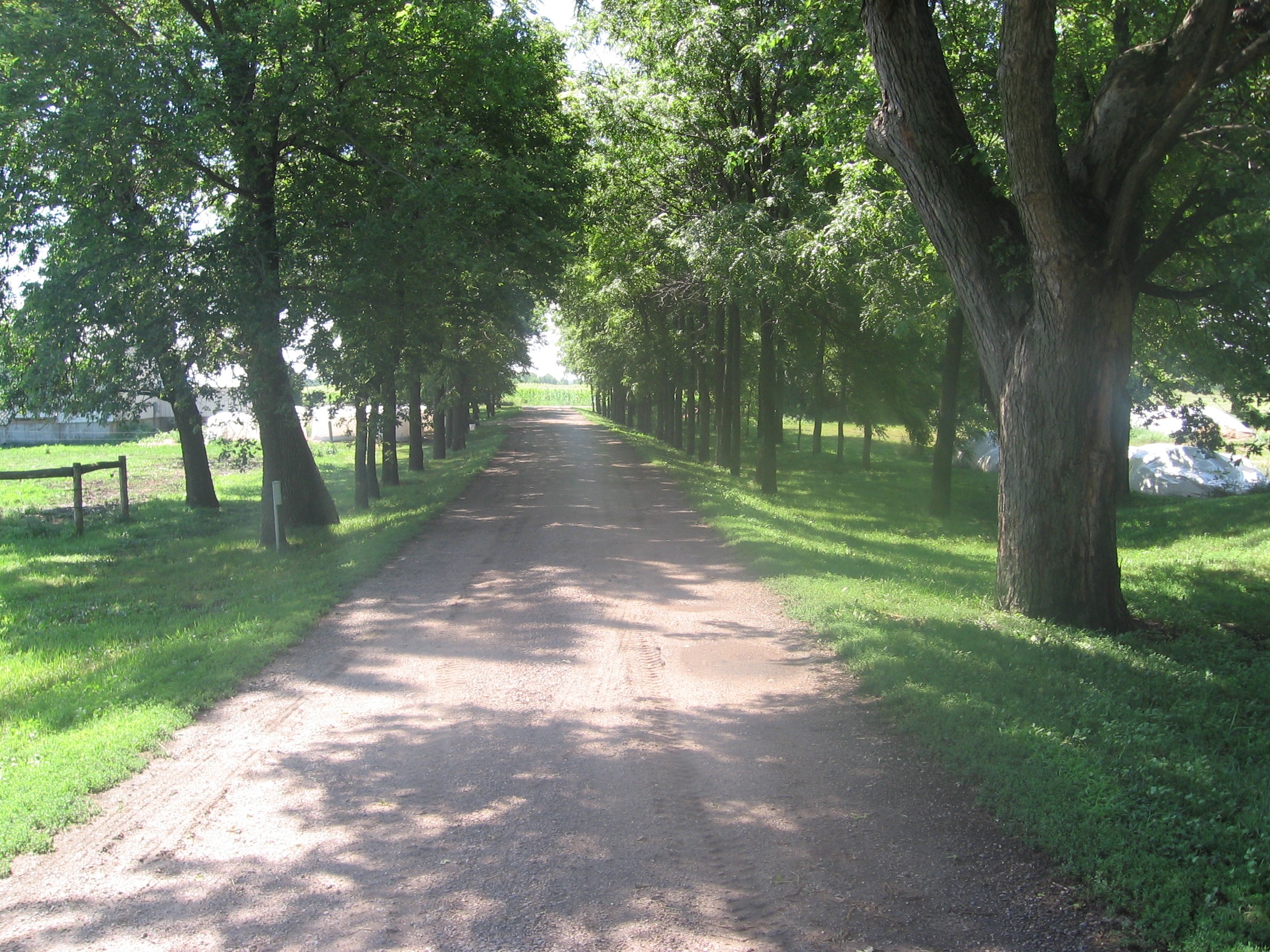
So. I suppose there will be, still, some land getting pushed around on my farm. But I hope it is done with a great respect for what nature has already made happen, an awareness of my own small importance, and an openness to look around at what I might see, and learn – and how I might adjust my actions accordingly.
This isn’t a post meant to judge. We all do what we have to do in certain situations, for a job or a family or some other reason. We operate on what we know, have been taught, and believe. And I admit I haven’t a clue what it means to be in landscaping or construction, or to have to actually support my family based on the way I run my farm (yet). I only know how I react to certain things, and I want to know why, and I want to see what I might do instead of, or in response to, these things – and how it all turns out.
 Kinds of Honey